Best Time of Year to Trim Trees in Wisconsin
Best Time of Year to Trim Trees in Wisconsin: Expert Seasonal Pruning Guidelines and Safety Practices
Understanding the best time of year to trim trees in Wisconsin is crucial for maintaining their health and aesthetics. Seasonal pruning not only promotes growth but also helps prevent diseases and pest infestations. This article will guide you through the optimal seasons for tree trimming, the impact of Wisconsin’s climate on tree health, and best practices for various tree species. Additionally, we will discuss safety guidelines and the benefits of hiring professional tree care services, such as those offered by Dunbar Tree Service. By the end, you will have a comprehensive understanding of when and how to effectively care for your trees.
When Is the Optimal Season for Tree Pruning in Wisconsin?
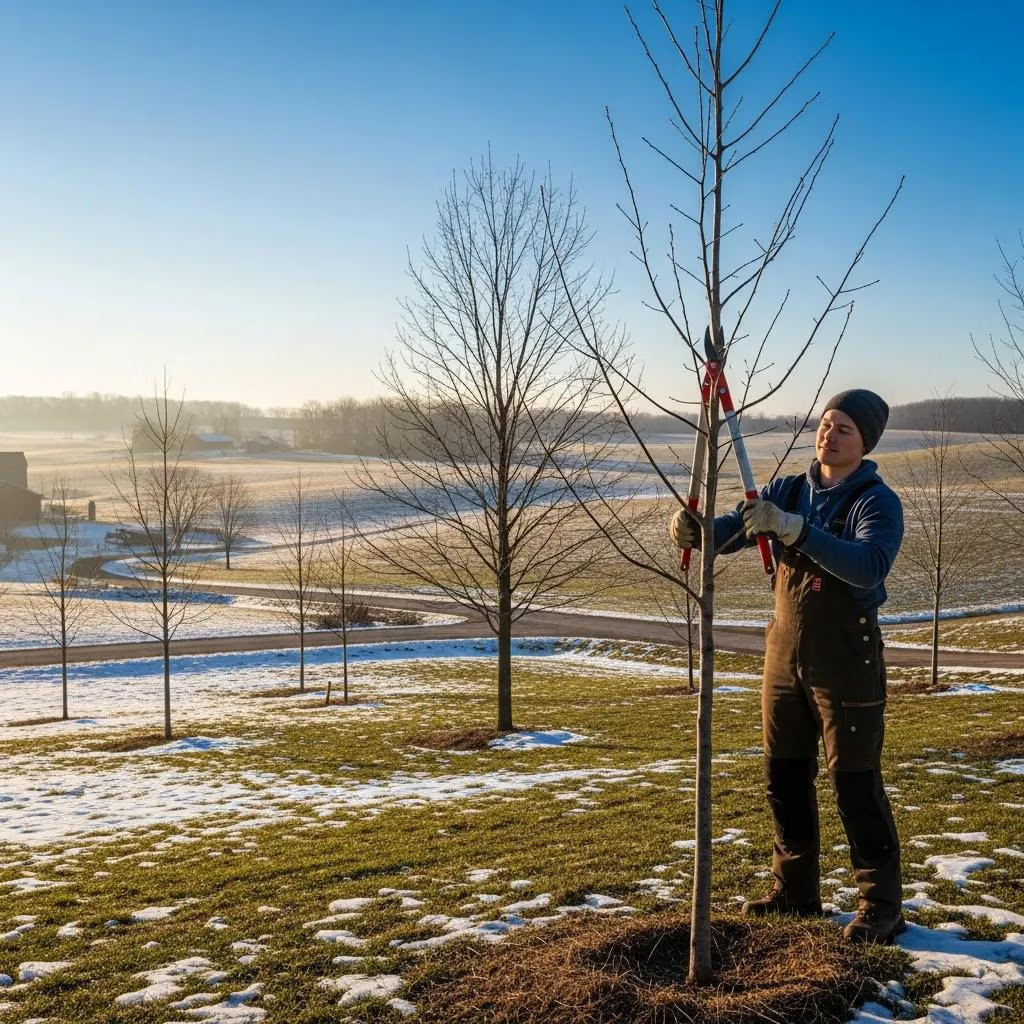
The optimal season for tree pruning in Wisconsin is typically late winter to early spring. During this period, trees are dormant, which minimizes stress and allows for better healing after cuts. Pruning during dormancy also reduces the risk of pest infestations, as many insects are inactive during the colder months. This timing ensures that trees can recover quickly and thrive in the upcoming growing season.
Why Late Winter to Early Spring Is Ideal for Most Tree Species
Late winter to early spring is ideal for pruning most tree species because the trees are in a dormant state. This dormancy allows for better healing as the cuts made during pruning will not expose the tree to the same level of stress as they would during active growth. Additionally, visibility for arborists is enhanced during this time, making it easier to assess the tree’s structure and health. Furthermore, pest activity is significantly reduced, which lowers the risk of infestations that can occur when trees are pruned during warmer months.
Can Tree Trimming Be Safely Performed in Winter or Fall?
Yes, tree trimming can be safely performed in winter or fall, provided that proper precautions are taken. Winter offers stable ground conditions, which are essential for safe pruning, especially for larger trees. Additionally, the cold weather reduces stress on trees, making it a suitable time for trimming. However, it is important to ensure that the tools used are sharp and that the arborist is experienced in handling trees during these colder months to avoid any potential damage.
How Do Seasonal Conditions Affect Tree Health and Pruning Outcomes?
Seasonal conditions play a significant role in tree health and the outcomes of pruning. Understanding these conditions can help homeowners make informed decisions about when to prune their trees for optimal health and growth.
Impact of Wisconsin's Climate on Pruning Timing and Tree Growth
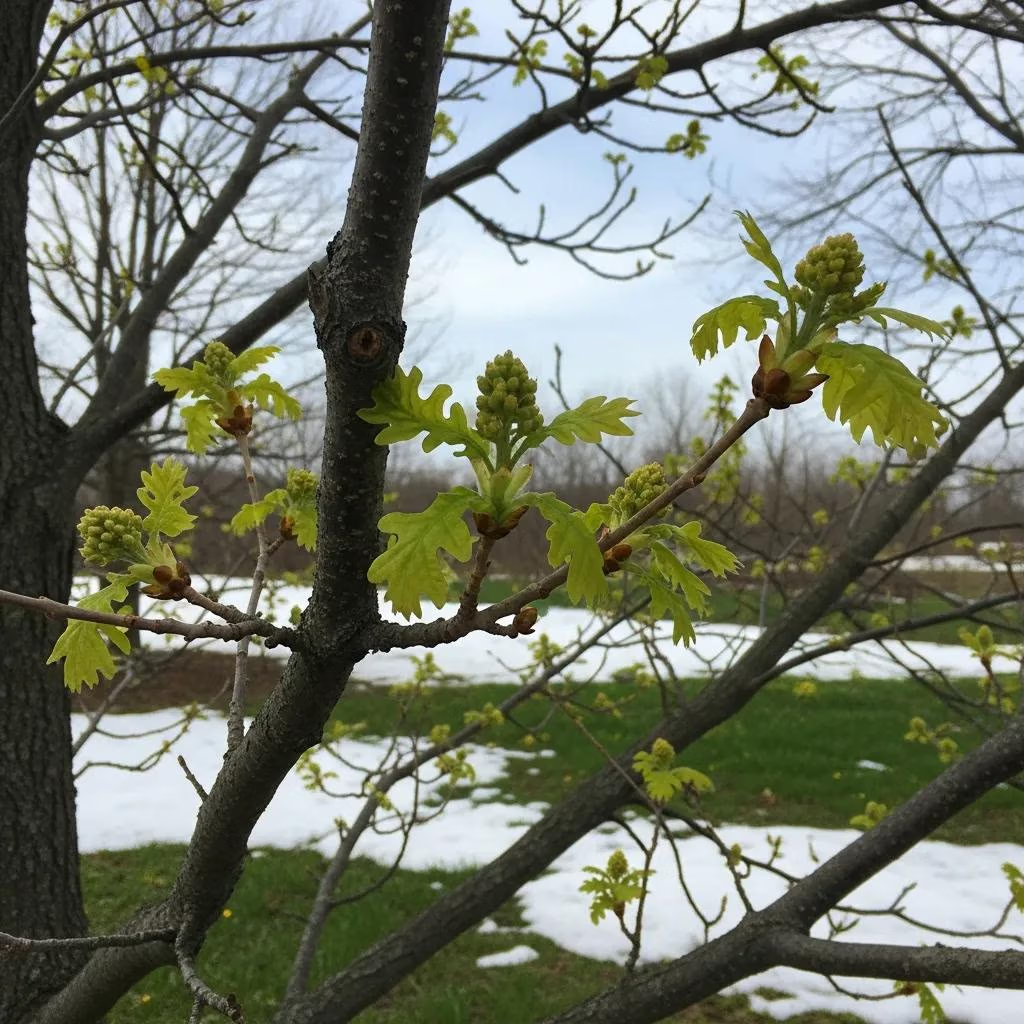
Wisconsin’s climate, characterized by cold winters and warm summers, directly impacts tree growth and health. The cold winters induce dormancy in trees, which is essential for their recovery after pruning. As spring approaches, trees begin to awaken, and proper timing of pruning can enhance their growth and structural integrity. Seasonal inspections are crucial to monitor tree health and ensure that any necessary pruning is done at the right time.
Benefits of Seasonal Tree Care for Disease Prevention and Safety
Seasonal tree care offers numerous benefits, particularly in disease prevention and safety. Regular pruning helps to remove dead or diseased branches, reducing the risk of disease spread. Additionally, maintaining tree health through seasonal care enhances resilience against pests and environmental stressors. This proactive approach not only improves the overall aesthetics of the landscape but also ensures the safety of the property by minimizing the risk of falling branches.
What Are the Best Practices for Pruning Different Tree Species in Wisconsin?
Pruning practices can vary significantly depending on the tree species. Understanding the specific needs of each species is essential for effective tree care.
When and How to Prune Oak, Maple, and Pine Trees
- Oak Trees: Prune oak trees in late winter to prevent the spread of oak wilt, a serious disease. Focus on removing dead or crossing branches to improve air circulation.
- Maple Trees: Maple trees should be pruned before sap flow begins in early spring. This timing minimizes sap loss and promotes healthy growth.
- Pine Trees: Pine trees require careful timing to maintain their shape. Pruning should be done in late spring after new growth has emerged, ensuring that the tree maintains its natural form.
Species-Specific Techniques to Promote Tree Health and Longevity
Different tree species require tailored pruning techniques to promote health and longevity. For instance, selecting native species can enhance adaptability to local conditions. Regular inspections are essential to identify any issues early, and employing proper pruning techniques can significantly improve tree health. Techniques such as thinning and crown reduction can help maintain the structural integrity of trees while promoting healthy growth.
Which Safety Guidelines and Equipment Are Essential for Seasonal Tree Trimming?
Safety is paramount when it comes to tree trimming. Understanding the necessary guidelines and equipment can help ensure a safe pruning experience.
Professional Tools and Protective Measures for Safe Pruning
Using the right tools is essential for safe and effective pruning. Essential tools include sharp pruning shears, loppers, and chainsaws for larger branches. Additionally, wearing protective gear such as gloves, eye protection, and helmets is crucial to prevent injuries. Ensuring that the work area is clear of hazards further enhances safety during the pruning process.
The critical importance of these safety measures is underscored by statistics on common arboricultural incidents.
Arboricultural Safety: Common Fatal & Nonfatal Incidents
The leading four fatal incidents, from the largest to the smallest number of fatalities, were climber falls, workers struck by a falling tree, workers making indirect contact with an electric current, and workers struck by a falling branch. Climber falls were also the leading incident for severe nonfatal injuries, followed by ground workers struck by a falling branch, workers struck by a chain saw, and falls by aerial device operators.
A review of United States arboricultural operation fatal and nonfatal incidents (2001–2017): J Ball, 2001
How Dunbar Tree Service Ensures Reliable and Expert Tree Care
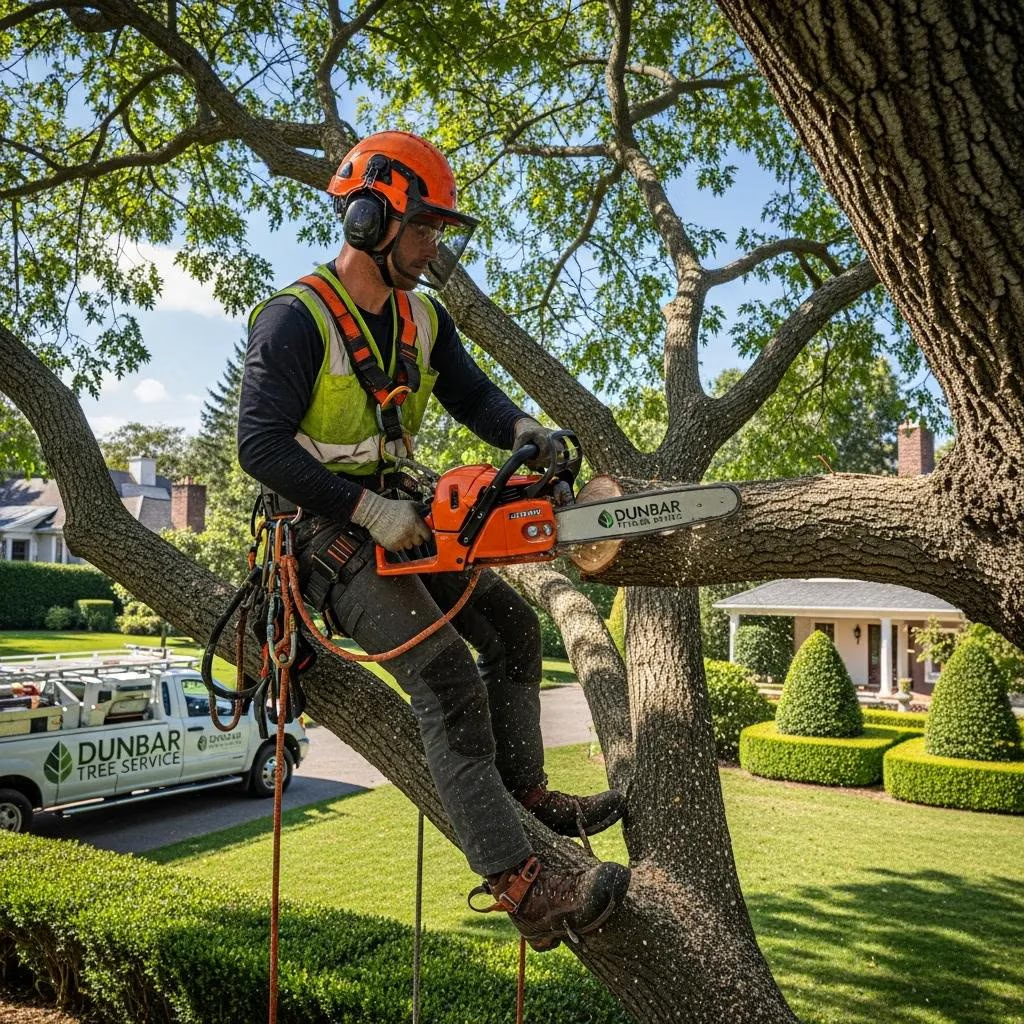
Dunbar Tree Service employs ISA certified arborists who are trained in the latest tree care techniques. They use professional-grade equipment to ensure that all pruning is done safely and effectively. By providing comprehensive services, Dunbar Tree Service ensures that your trees receive the best care possible, promoting their health and longevity.
What Are the Benefits of Hiring Professional Tree Care Services in Wisconsin?
Hiring professional tree care services offers numerous advantages that can enhance the health and safety of your trees.
Expertise, Certifications, and Local Knowledge Advantages
Professional arborists bring a wealth of knowledge and expertise to tree care. Their ISA certification ensures that they are trained in the best practices for tree health and safety. Local knowledge is also invaluable, as these professionals understand the specific challenges posed by Wisconsin’s climate and can tailor their services accordingly.
How Professional Seasonal Pruning Enhances Property Safety and Value
Professional seasonal pruning not only enhances the safety of your property by reducing the risk of falling branches but also improves the visual appeal of your landscape. Well-maintained trees can significantly increase property value, making professional tree care a worthwhile investment.
How Can Homeowners Schedule and Prepare for Seasonal Tree Trimming Services?
Scheduling and preparing for tree trimming services is essential for ensuring effective care.
When to Contact Dunbar Tree Service for Optimal Pruning Timing
Homeowners should contact Dunbar Tree Service during service hours to discuss their tree care needs. The optimal pruning times are typically late winter to early spring, making it important to schedule regular inspections to assess tree health and determine the best timing for pruning.
Preparing Your Property for Safe and Effective Tree Care
To prepare your property for tree care, clear the area around the tree to provide safe access for the arborists. Discuss specific needs with the professionals to ensure that all concerns are addressed. Implementing a long-term maintenance plan can also help keep your trees healthy and thriving throughout the seasons.