What to Do When a Tree Falls on Your Property

What to Do When a Tree Falls on Your Property
When a tree falls on your property, it can be a distressing and potentially dangerous situation. Understanding how to assess the damage, ensure safety, and navigate the necessary steps for removal is crucial. This article will guide you through the essential actions to take when faced with a fallen tree, including safety assessments, documentation for insurance, and when to contact professional services. You will learn about the importance of emergency tree removal, the cost factors involved, and how to choose a licensed service provider. By following these guidelines, you can effectively manage the aftermath of a fallen tree and minimize risks to your property and safety.
How Should You Assess Safety and Property Damage After a Tree Falls?

Assessing safety and property damage after a tree falls is the first step in managing the situation effectively. It is essential to ensure that the area is safe before taking any further action. Start by checking for immediate hazards such as downed power lines, which can pose a significant risk. Additionally, inspect the surrounding area for any visible damage to structures or vehicles. Documenting the damage is also crucial for insurance purposes, as it provides evidence of the incident and helps in the claims process.
What Immediate Hazards Should Property Owners Identify?
After a tree falls, property owners should identify several immediate hazards:
- Downed Power Lines: If the tree has fallen onto power lines, it is critical to stay clear and contact the utility company immediately.
- Proximity to Structures: Assess whether the tree or its branches are leaning against any buildings, vehicles, or other structures, which could lead to further damage or injury.
- Signs of Disease or Pest Infestation: Look for any visible signs of decay or infestation on the tree, which may indicate underlying issues that could affect safety.
Recognizing these hazards allows property owners to take appropriate precautions and seek help when necessary.
How to Document Tree Damage for Insurance and Restoration Purposes?
Documenting tree damage is vital for filing insurance claims and planning restoration. Here are steps to effectively document the damage:
- Take Clear Photographs: Capture multiple angles of the fallen tree and any damage it caused to your property.
- Measure the Tree: Record the height and diameter of the tree, as this information may be required by your insurance company.
- Obtain a Written Assessment: If possible, get a professional assessment from a tree care expert, which can provide additional documentation for your claim.
This thorough documentation will support your insurance claim and help ensure you receive the necessary compensation for repairs.
When and Why Should You Contact Emergency Tree Removal Services?
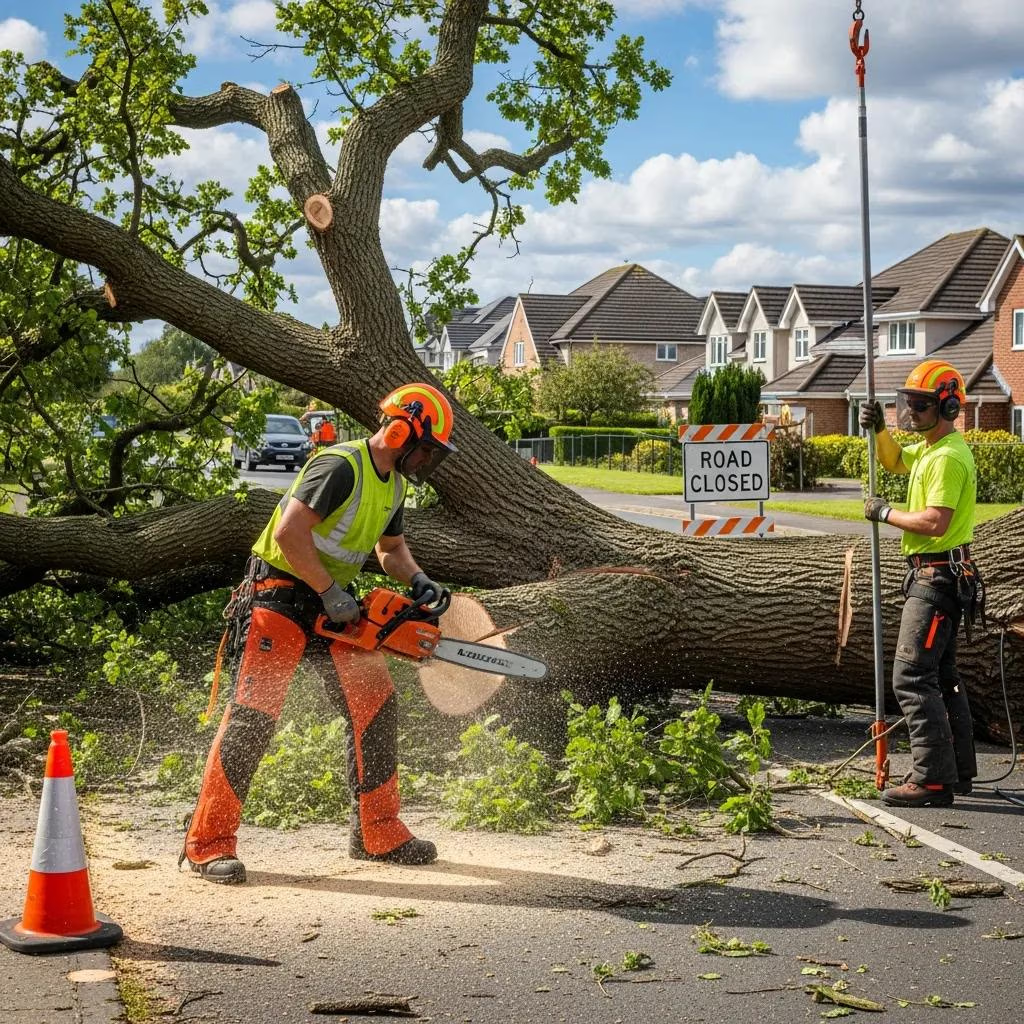
In certain situations, contacting emergency tree removal services is essential to ensure safety and prevent further damage. Emergency tree removal is necessary when a fallen tree poses an immediate threat to life or property. Understanding when to seek professional help can save you time and reduce risks.
What Constitutes an Emergency Fallen Tree Removal Situation?
Emergency situations for tree removal typically include:
- Immediate Danger to Life or Property: If the tree is blocking a road or has fallen on a house, immediate removal is necessary.
- Structural Instability of Trees: Trees that are leaning precariously or have partially fallen may require urgent attention to prevent complete collapse.
- Severe Weather Impacts: After storms, trees may be at risk of falling due to weakened roots or damage, necessitating prompt evaluation and removal.
Recognizing these scenarios can help you act quickly and safely.
How Does Dunbar Tree Service Provide Rapid and Licensed Emergency Response?
Dunbar Tree Service specializes in rapid and licensed emergency tree removal services. Their trained professionals are equipped to handle dangerous situations efficiently. With a commitment to safety, they ensure that all necessary precautions are taken during the removal process. Their rapid response capabilities mean that they can be on-site quickly to assess the situation and begin the removal process, minimizing further risks to your property.
What Are the Cost Factors and Insurance Considerations for Fallen Tree Removal in Wisconsin?
Understanding the cost factors and insurance considerations for fallen tree removal is crucial for property owners. Various elements can influence the overall cost of tree removal services, and being informed can help you navigate the process more effectively.
How Is Tree Removal Cost Determined in Waukesha and Milwaukee Counties?
In Waukesha and Milwaukee counties, several factors determine the cost of tree removal:
- Size and Height of the Tree: Larger trees typically require more resources and time to remove, increasing costs.
- Accessibility Issues: If the tree is in a hard-to-reach location, additional equipment and labor may be necessary, affecting the price.
- Condition of the Tree: Trees that are diseased or damaged may require special handling, which can also impact the cost.
Being aware of these factors can help you prepare for the financial aspects of tree removal.
Research further emphasizes that the decision to remove trees is often influenced by the significant costs involved and existing regulations.
Tree Removal Costs & Regulations for Property Owners
trees on their properties were related to the high cost of removal and the existence of government regulation for tree
To plant, remove, or retain:
Understanding property owner decisions about trees during redevelopment, J Morgenroth, 2019
What Should Property Owners Know About Tree Damage Insurance Claims?
When dealing with tree damage, property owners should understand the insurance claims process. Key points to consider include:
- Coverage Specifics: Review your policy to determine what types of tree damage are covered, as this can vary significantly between policies.
- Documentation Requirements: Ensure you have all necessary documentation, including photographs and assessments, to support your claim.
- Claim Process Steps: Familiarize yourself with the steps involved in filing a claim, including timelines and required forms.
Understanding these elements can streamline the claims process and help you receive the compensation you deserve.
How to Choose a Licensed and Insured Tree Removal Service in Wisconsin?
Selecting a licensed and insured tree removal service is essential for ensuring quality and safety. Here are some guidelines to help you make an informed choice.
Why Is Licensing and Insurance Critical for Tree Removal Contractors?
Licensing and insurance are critical for tree removal contractors for several reasons:
- Legal Requirements for Operation: Licensed contractors comply with local regulations, ensuring they meet safety and operational standards.
- Protection for Homeowners: Insurance protects homeowners from liability in case of accidents or damage during the removal process.
- Quality of Service Assurance: Licensed professionals are typically more experienced and knowledgeable, leading to better service quality.
Choosing a licensed and insured service provider can give you peace of mind and protect your investment.
What Questions Should You Ask Before Hiring a Tree Removal Company?
Before hiring a tree removal company, consider asking the following questions:
- What is your company background and reputation?: Research the company’s history and customer reviews to gauge their reliability.
- What qualifications and certifications do your team members have?: Ensure that the crew is trained and certified in tree care and removal.
- What are your emergency response capabilities?: Inquire about their ability to respond quickly in case of emergencies.
These questions can help you assess the suitability of a tree removal service for your needs.
What Preventative Tree Care Practices Can Minimize Storm Damage Risks?
Preventative tree care practices are essential for minimizing the risk of storm damage. By maintaining the health and stability of your trees, you can reduce the likelihood of them falling during severe weather.
The importance of proactive tree care and hazard assessment is underscored by studies on major storm events, highlighting the critical need for injury prevention and efficient service restoration.
Storm Damage: Injury Prevention & Tree Care
events further emphasizing the need for injury prevention. helped with storm clean-up, two union representatives, a tree care both hazard assessment and service restoration.
Trees down, hazards abound: Observations and lessons from Hurricane Sandy, 2018
How Does Regular Tree Maintenance Reduce the Likelihood of Falling Trees?
Regular tree maintenance plays a crucial role in preventing tree failures. Key practices include:
- Promotes Tree Health: Regular inspections and care can identify and address health issues before they become severe.
- Enhances Safety: Pruning weak or dead branches reduces the risk of falling limbs during storms.
- Identifies Issues Early: Routine assessments can catch problems like root rot or pest infestations before they compromise tree stability.
Implementing these practices can significantly enhance the resilience of your trees against storms.
What Local Storm Patterns Should Wisconsin Property Owners Consider?
Wisconsin property owners should be aware of local storm patterns that can affect tree stability. Important considerations include:
- Types of Storms Common in Wisconsin: Understanding the frequency and intensity of storms can help in planning preventative measures.
- Impact on Tree Health: Severe weather can weaken trees, making them more susceptible to falling.
- Monitoring for Damage: After storms, inspect trees for any signs of damage or instability to address issues promptly.
Being proactive about these factors can help protect your property and ensure the longevity of your trees.
For any inquiries or immediate assistance, you can contact us directly.