Does Homeowner's Insurance Cover Emergency Tree Removal?

Does Homeowner's Insurance Cover Emergency Tree Removal?
Homeowner’s insurance can be a crucial safety net for property owners, especially when unexpected events like storms lead to emergency tree removal. Understanding the nuances of your policy can help you navigate the complexities of coverage, ensuring you are prepared for any situation. This article delves into whether homeowner’s insurance covers emergency tree removal, the types of scenarios that qualify for coverage, and the steps to file a claim. Additionally, we will explore common exclusions and limitations in insurance policies, and how Dunbar Tree Service can assist homeowners in Wisconsin with emergency tree removal and insurance claims.
What Types of Emergency Tree Removal Are Typically Covered by Homeowner's Insurance?
Homeowner’s insurance often covers emergency tree removal under specific conditions. Generally, policies will include coverage for trees that pose an immediate threat to your home or property due to storm damage. This can include trees that have fallen onto your house or those that are at risk of falling due to severe weather conditions. Understanding the types of coverage available can help homeowners make informed decisions during emergencies.
Which Storm Damage Scenarios Qualify for Insurance Coverage?
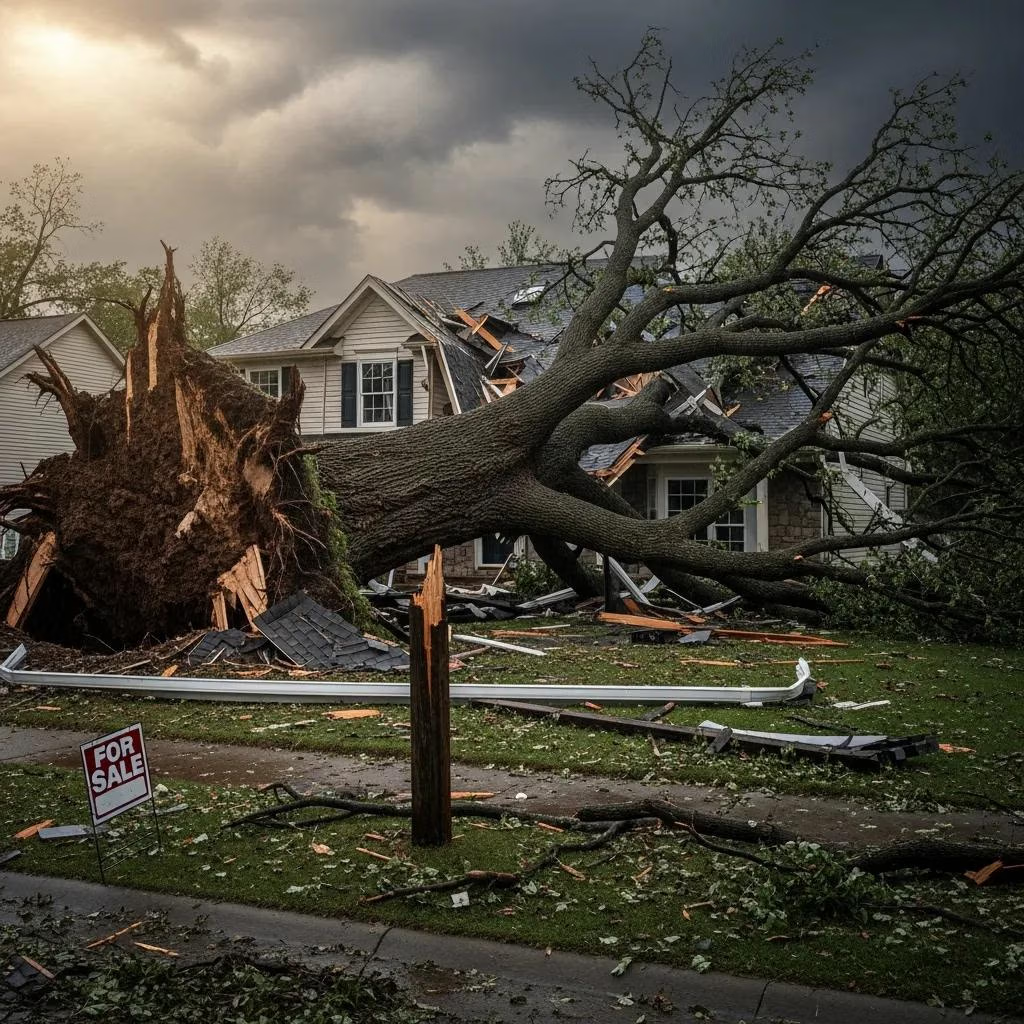
Several storm damage scenarios typically qualify for insurance coverage. These include:
- Fallen Trees: If a tree falls on your home or property due to high winds or heavy rain, it is usually covered.
- Threatening Trees: Trees that are leaning dangerously or have sustained significant damage may also be covered if they pose a risk to your property.
- Storm-Related Damage: Damage caused by hail, tornadoes, or hurricanes often qualifies for coverage, provided the policy includes such provisions.
Understanding these scenarios can help homeowners identify when to file a claim.
Are Fallen Trees and Debris Removal Included in Coverage?
Most homeowner’s insurance policies will cover the removal of fallen trees and debris, but there are specific conditions. Typically, if a tree falls on your home or another structure, the removal costs are covered. However, if a tree falls in your yard without causing damage, coverage may not apply. It’s essential to review your policy details to understand the inclusions and exclusions regarding debris removal.
How to File an Insurance Claim for Emergency Tree Removal After Storm Damage?
Filing an insurance claim for emergency tree removal can be a straightforward process if you follow the necessary steps. Being prepared with the right documentation and understanding the procedures can significantly ease the process.
What Documentation Is Required to Support Your Claim?

To support your claim for emergency tree removal, you will typically need the following documentation:
- Photos of Damage: Take clear pictures of the fallen tree and any damage it caused.
- Estimates for Removal: Obtain estimates from tree removal services to provide evidence of the costs involved.
- Insurance Policy Information: Have your policy details handy to reference coverage specifics.
Having this documentation ready can expedite the claims process.
What Are the Step-by-Step Procedures for Claim Submission?
The process for submitting a claim generally involves the following steps:
- Contact Your Insurance Provider: Notify your insurer about the damage as soon as possible.
- Submit Required Documentation: Provide the necessary documentation, including photos and estimates.
- Follow Up: Keep in touch with your insurance adjuster to ensure your claim is processed promptly.
By following these steps, homeowners can navigate the claims process more effectively.
What Are Common Exclusions and Limitations in Tree Removal Insurance Policies?
While homeowner’s insurance can provide valuable coverage for emergency tree removal, there are common exclusions and limitations that homeowners should be aware of. Understanding these can help prevent surprises when filing a claim.
Which Types of Tree Damage Are Usually Not Covered?
Certain types of tree damage are typically not covered by homeowner’s insurance. These may include:
- Neglect: Damage resulting from a lack of maintenance or neglect is often excluded.
- Pre-existing Conditions: Trees that were already dead or diseased before the storm may not be covered.
- Non-Storm Events: Damage caused by non-storm events, such as vandalism or accidents, is usually not covered.
Being aware of these exclusions can help homeowners manage their expectations regarding coverage.
How Do Deductibles and Policy Limits Affect Coverage?
Deductibles and policy limits play a significant role in determining how much coverage you will receive for tree removal. Homeowners should consider the following:
- Deductibles: Most policies have a deductible that must be met before coverage kicks in. This amount can vary significantly between policies.
- Policy Limits: There may be a cap on how much your insurance will pay for tree removal, which can affect your out-of-pocket expenses.
Understanding these factors is crucial for homeowners to prepare financially for potential claims.
How Does Dunbar Tree Service Support Emergency Tree Removal and Insurance Claims in Wisconsin?
Dunbar Tree Service is a professional tree care company serving Waukesha and Milwaukee counties in Wisconsin. They specialize in comprehensive tree services, including emergency tree removal and storm damage cleanup, making them a valuable resource for homeowners facing tree-related emergencies.
What Local Expertise Does Dunbar Provide for Storm Damage Response?
Dunbar Tree Service offers local expertise in storm damage response, ensuring that homeowners receive timely and effective assistance. Their team understands the unique challenges posed by Wisconsin’s weather and is equipped to handle emergency tree removal efficiently. This local knowledge allows them to respond quickly to emergencies, minimizing potential damage to properties.
How Does Dunbar Assist Homeowners with Insurance Claim Processes?
Dunbar Tree Service assists homeowners with the insurance claim process by providing necessary documentation and estimates for tree removal. Their experience in dealing with insurance claims can help streamline the process, ensuring that homeowners receive the coverage they are entitled to. By working closely with clients, Dunbar ensures that all aspects of the claim are handled professionally.
What Are the Typical Costs and Deductibles Associated with Insurance-Covered Tree Removal?
Understanding the costs associated with insurance-covered tree removal is essential for homeowners. Various factors can influence these costs, including the severity of the storm and the size of the tree.
How Do Storm Severity and Tree Size Influence Removal Expenses?
The costs of tree removal can vary significantly based on:
- Storm Severity: More severe storms often lead to higher demand for tree removal services, which can increase costs.
- Tree Size: Larger trees typically require more resources and time to remove, leading to higher expenses.
Homeowners should be prepared for these variables when considering tree removal costs.
What Should Homeowners Expect Regarding Deductible Amounts?
Deductible amounts can vary widely depending on the insurance policy. Homeowners should expect:
- Standard Deductibles: Many policies have standard deductibles ranging from $500 to $2,000.
- Higher Deductibles for Certain Events: Some policies may have higher deductibles for storm-related claims, which can impact the overall cost of tree removal.
Being aware of these deductible amounts can help homeowners plan for potential out-of-pocket expenses.
What Frequently Asked Questions Do Homeowners Have About Emergency Tree Removal Insurance Coverage?
Homeowners often have questions regarding the specifics of their insurance coverage for emergency tree removal. Addressing these common concerns can provide clarity and peace of mind.
Does Insurance Pay for Tree Removal Caused by Non-Storm Events?
Typically, homeowner’s insurance does not cover tree removal caused by non-storm events, such as accidents or vandalism. Homeowners should review their policies to understand the specific exclusions related to non-storm damage.
How Long Does the Insurance Claim Process Typically Take?
The insurance claim process can vary in duration, but homeowners can generally expect:
- Initial Review: Claims are often reviewed within a few days to a week.
- Final Settlement: The entire process, from filing to settlement, can take anywhere from a few weeks to several months, depending on the complexity of the claim.
Understanding these timelines can help homeowners manage their expectations during the claims process.