8 Signs a Tree Needs to Be Removed (And What to Do Next)
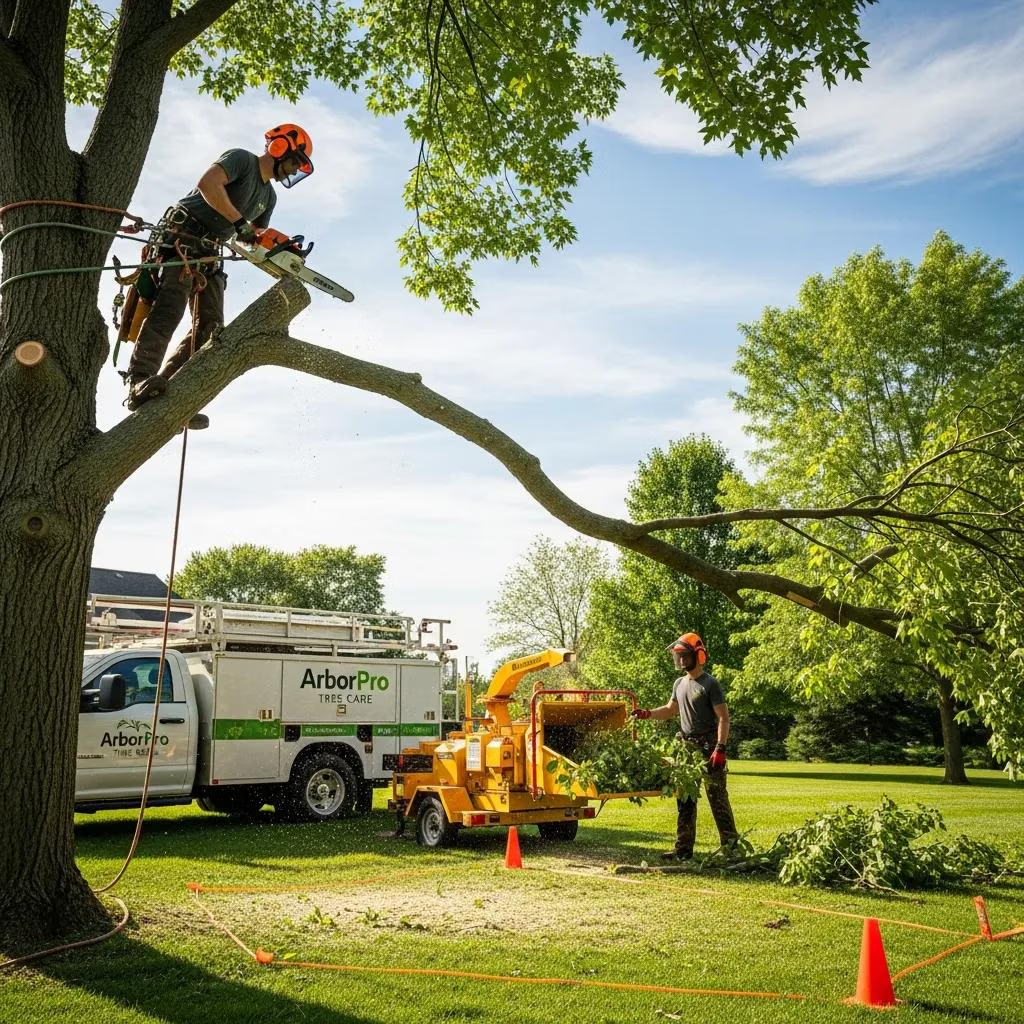
Different tree removal services offer various benefits and considerations for homeowners.
Understanding the costs associated with tree removal is crucial for homeowners. Factors such as tree size, location, and condition can significantly impact the final price. For a detailed breakdown of costs and to get an accurate estimate, it’s recommended to contact a tree service directly.
Further research delves into the economic models that help homeowners weigh the long-term costs of tree treatment against the immediate expense of removal.
Homeowner Tree Removal vs. Treatment Costs Model
A model is presented to assist in deciding the fate of ash trees (Fraxinusspp.) threatened by the arrival of emerald ash borer (Agrilus planipennisFairmaire) in North America. The model tracks ongoing treatment costs versus one-time costs associated with removal and replacement. All future values are discounted following standard economic practice. For each year over a period of interest, the net treatment gain/loss is calculated, indicating the period of time over which a homeowner would be financially ahead/behind by treating the existing ash tree.
To treat or remove: an economic model to assist in deciding the fate of ash trees threatened by emerald ash borer, JH Pedlar, 2012
| Service Type | Description | Average Cost |
|---|---|---|
| Standard Removal | Basic tree removal services for non-hazardous trees | $200 – $2,000 |
| Emergency Removal | Immediate response for hazardous trees | $500 – $2,000 |
| Health Assessment | Professional evaluation of tree health | $100 – $300 |
Beyond individual homeowner decisions, the financial considerations for tree removal extend to broader contexts, such as residential development.
Estimating Tree Removal Costs on Residential Lots
Each time a developer prepares to construct a new house on a wooded lot, he must make decisions, either explicitly or implicitly, concerning how many trees should be removed from the lot. These decisions have immediate and direct financial consequences for the builder in terms of the cost of tree removal, any income that may be derived from selling the trees that are removed, cost of construction, and the salability of the house.
Estimating costs of tree preservation on residential lots, AF Seila, 1982
This comparison highlights the importance of selecting the right service based on your specific needs and circumstances.
Frequently Asked Questions
What are the costs associated with tree removal services?
The costs of tree removal services can vary widely based on several factors, including the size, location, and condition of the tree. On average, standard removal can range from $200 to $2,000, while emergency removals may cost between $500 and $2,000. Additional services, such as health assessments, typically range from $100 to $300. It’s advisable to obtain multiple quotes and consider the specific circumstances of your tree to get an accurate estimate.
How does tree removal affect property value?
Tree removal can have both positive and negative effects on property value. While removing hazardous or unhealthy trees can enhance safety and curb appeal, excessive removal may lead to a loss of shade, privacy, and aesthetic value. Homebuyers often appreciate well-maintained landscapes, so it’s essential to strike a balance. Consulting with a real estate professional can provide insights into how tree removal might impact your specific property market.
What are the best times of year for tree removal?
The best time for tree removal typically depends on the tree species and local climate. Generally, late fall and winter are ideal, as trees are dormant, making them easier to remove and reducing the risk of damage to surrounding plants. However, if a tree poses an immediate hazard, it should be removed regardless of the season. Always consult with a professional to determine the optimal timing for your specific situation.
Can I remove a tree myself?
While some homeowners may consider removing a tree themselves, it is often not advisable due to safety risks and potential legal issues. Tree removal can be dangerous, especially for large trees or those near structures. Additionally, local regulations may require permits or professional services for tree removal. Hiring a certified tree removal service ensures the job is done safely and in compliance with local laws, minimizing risks to you and your property.
What happens to the tree after removal?
After a tree is removed, several options are available for its remains. The tree can be cut into firewood, chipped into mulch, or ground into a stump. Many tree removal services offer stump grinding, which eliminates the stump and roots, allowing for replanting or landscaping. Alternatively, you may choose to leave the stump for aesthetic purposes or wildlife habitat. Discussing options with your tree removal service can help you decide the best course of action.
Are there alternatives to tree removal?
Yes, there are several alternatives to tree removal that can be considered, depending on the tree’s condition and the issues it presents. Options include pruning to improve health and appearance, cabling or bracing to support weak branches, and treatment for pests or diseases. Consulting with a certified arborist can help determine the best approach to preserve the tree while addressing any concerns, ensuring a balanced decision that benefits both the tree and your property.
What factors should I consider when choosing a tree removal service?
When selecting a tree removal service, consider factors such as the company’s reputation, experience, and certifications. Look for reviews and testimonials from previous clients to gauge their reliability. Additionally, ensure they have proper insurance and licenses to operate in your area. It’s also important to inquire about their safety protocols and equipment used during the removal process. Finally, compare quotes from multiple services to ensure you receive a fair price for the work required.
How can I determine if a tree needs to be removed or treated?
To decide whether to remove or treat a tree, assess its health and structural integrity. Signs of decay, significant damage, or disease may indicate that removal is necessary. Conversely, if the tree shows potential for recovery, treatment options like pruning or pest control may be viable. Consulting with a certified arborist can provide expert insight into the tree’s condition and the best course of action, ensuring you make an informed decision that balances health and safety.
What are the environmental impacts of tree removal?
Tree removal can have significant environmental impacts, including loss of habitat for wildlife, increased soil erosion, and changes in local climate conditions. Trees play a crucial role in carbon sequestration, air quality improvement, and water cycle regulation. Therefore, it’s essential to consider these factors before proceeding with removal. Sustainable practices, such as selective cutting or replanting, can help mitigate negative effects and promote ecological balance in the area.
Are there any permits required for tree removal?
Yes, many municipalities require permits for tree removal, especially for large or protected trees. The regulations vary by location, so it’s crucial to check with your local government or forestry department before proceeding. Obtaining the necessary permits ensures compliance with local laws and can help avoid fines or legal issues. Additionally, some areas may have specific guidelines regarding the removal of certain tree species, particularly those that are endangered or have historical significance.
What should I expect during the tree removal process?
During the tree removal process, you can expect a thorough assessment of the tree and surrounding area by the service provider. They will typically outline the removal plan, including safety measures and equipment used. The actual removal may involve cutting the tree down in sections, especially if it’s large or near structures. After removal, the team will usually clean up debris and may offer stump grinding services. Communication with the service provider throughout the process is key to ensuring a smooth experience.
How can I prepare my property for tree removal?
To prepare your property for tree removal, start by clearing the area around the tree of any obstacles, such as furniture, vehicles, or garden decorations. Ensure that pets and children are kept at a safe distance during the removal process. It’s also helpful to inform your neighbors, especially if the tree is close to property lines. Finally, consider discussing with the tree removal service any specific concerns or requests you may have to ensure a safe and efficient operation.