DIY vs Professional Tree Removal: What Homeowners Need to Know
DIY vs Professional Tree Removal: What Homeowners Need to Know
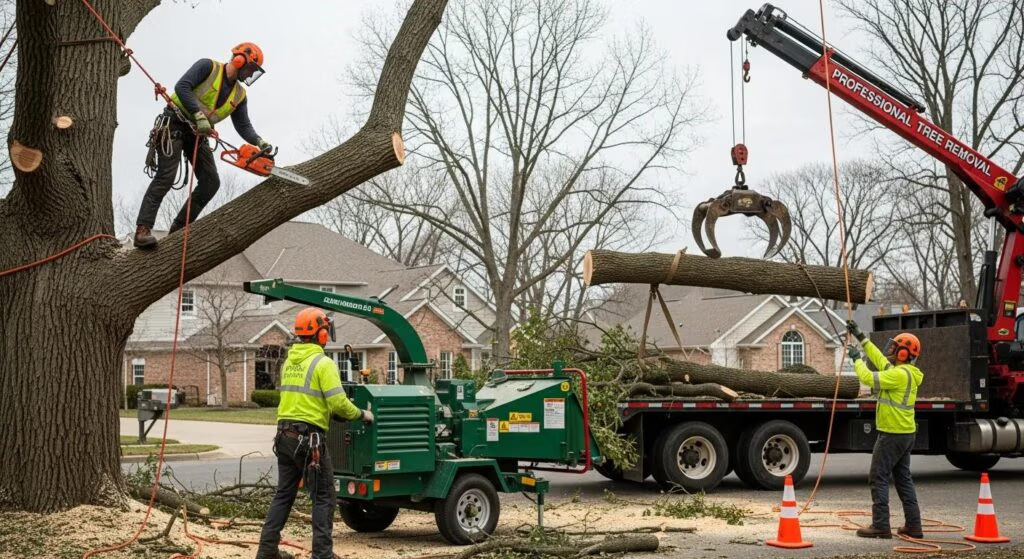
When it comes to tree removal, homeowners often face a critical decision: should they tackle the job themselves or hire a professional service? This article delves into the essential aspects of DIY versus professional tree removal, highlighting the safety risks, benefits of hiring experts, cost comparisons, and local regulations. Understanding these factors can help homeowners make informed choices that prioritize safety and efficiency. As many individuals may underestimate the complexities involved in tree removal, this guide aims to clarify the potential hazards and advantages of each approach. We will explore the safety risks associated with DIY tree removal, the key benefits of hiring licensed professionals, the cost implications of both options, and the local regulations that must be considered in Waukesha and Milwaukee counties.
Understanding the homeowner’s perspective on residential tree management is crucial for making informed decisions about tree removal.
Homeowner Decisions: Understanding Residential Tree Management
that homeowners play in decision-making during development and highlight the important relationships that exist between homeowners
Homeowner perceptions, knowledge, and decision making regarding residential trees and natural areas in a
Midwestern US suburb, K Pike, 2023
What Are the Safety Risks of DIY Tree Removal for Homeowners?
DIY tree removal can pose significant safety risks that homeowners should carefully consider. The process often involves handling heavy equipment and working at heights, which can lead to serious injuries or even fatalities. Additionally, improper techniques can result in property damage or legal liabilities. Understanding these risks is crucial for anyone contemplating a DIY approach to tree removal.
Which Common Injuries Occur During DIY Tree Cutting and Removal?
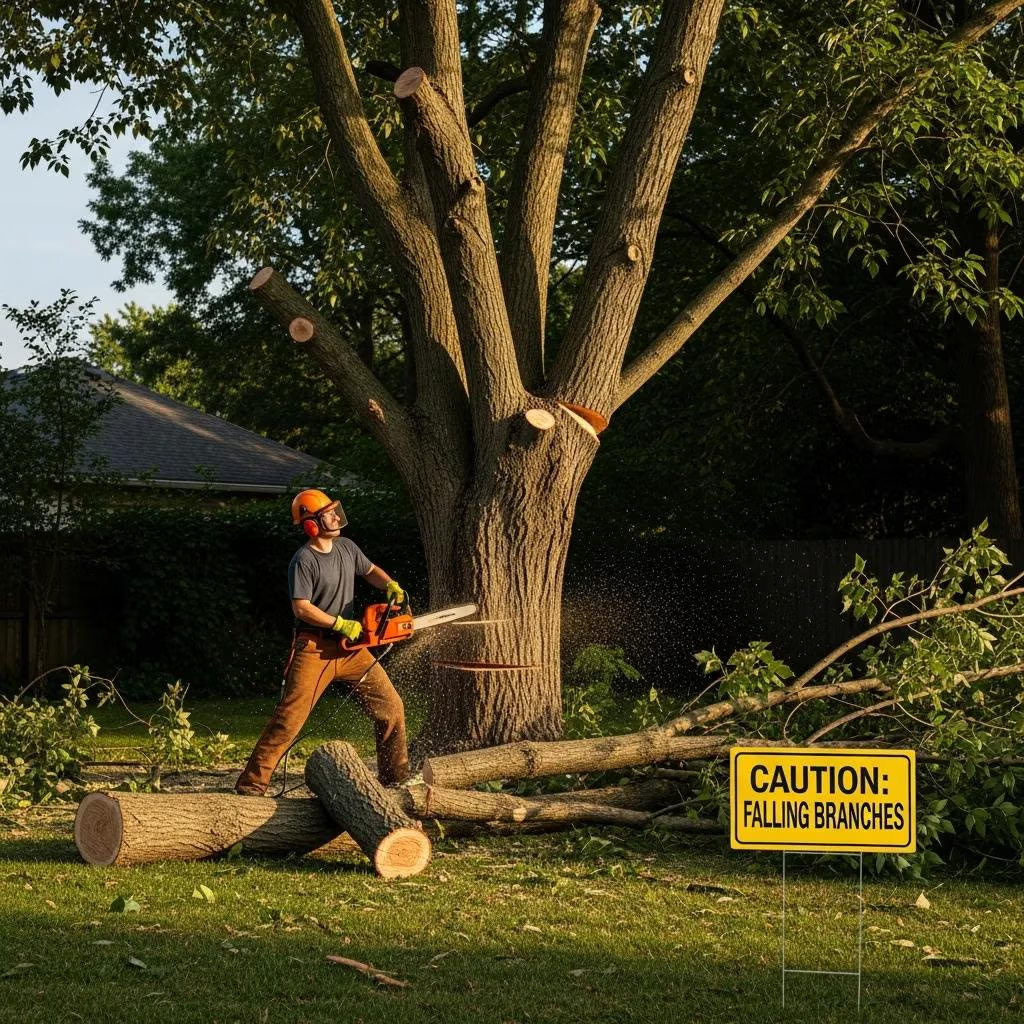
Common injuries during DIY tree cutting and removal include falls, lacerations, and crush injuries. Homeowners may underestimate the dangers of using chainsaws and other equipment, leading to accidents that can cause serious harm. Furthermore, falling branches can result in property damage or injury to bystanders. The legal consequences of such incidents can also be severe, making it essential to weigh the risks before proceeding with DIY tree removal.
How Do Safety Standards and Equipment Reduce Hazards in Professional Tree Removal?
Professional tree removal services adhere to strict safety standards and utilize specialized equipment to minimize hazards. Qualified professionals are trained in safe cutting techniques and the use of protective gear, such as helmets and harnesses. They also employ advanced tools, like bucket trucks and stump grinders, which enhance safety and efficiency. By relying on experts, homeowners can significantly reduce the risks associated with tree removal.
Adherence to rigorous safety standards, including the use of personal protective equipment and proper chainsaw techniques, is a hallmark of professional tree care.
Arborist Safety Standards: PPE, Chainsaw, and Professional Compliance
personal protective equipment and chainsaw and chipper safety. trees services industry included “arborist services; ornamental , employ professional staff, and adhere to the Standard.
Investigation of Compliance with the Ansi Z133. 1-2006 Safety Standard in the New England Tree Care Industry, 2006
What Are the Key Benefits of Hiring Licensed Professional Tree Removal Services?
Hiring licensed professional tree removal services offers several advantages that can outweigh the costs associated with DIY efforts. Professionals bring expertise, safety, and comprehensive services that ensure the job is done correctly and efficiently. Homeowners can enjoy peace of mind knowing that their tree removal needs are handled by trained specialists.
How Does Professional Expertise Ensure Compliance with Local Regulations in Waukesha and Milwaukee?
Licensed professionals possess in-depth knowledge of local regulations and permit requirements for tree removal in Waukesha and Milwaukee counties. They understand the legalities involved and can navigate the necessary paperwork, ensuring compliance and protecting homeowners from potential fines or legal issues. This expertise is invaluable, especially for those unfamiliar with local laws.
What Specialized Equipment and Techniques Do Professionals Use for Efficient Tree Removal?
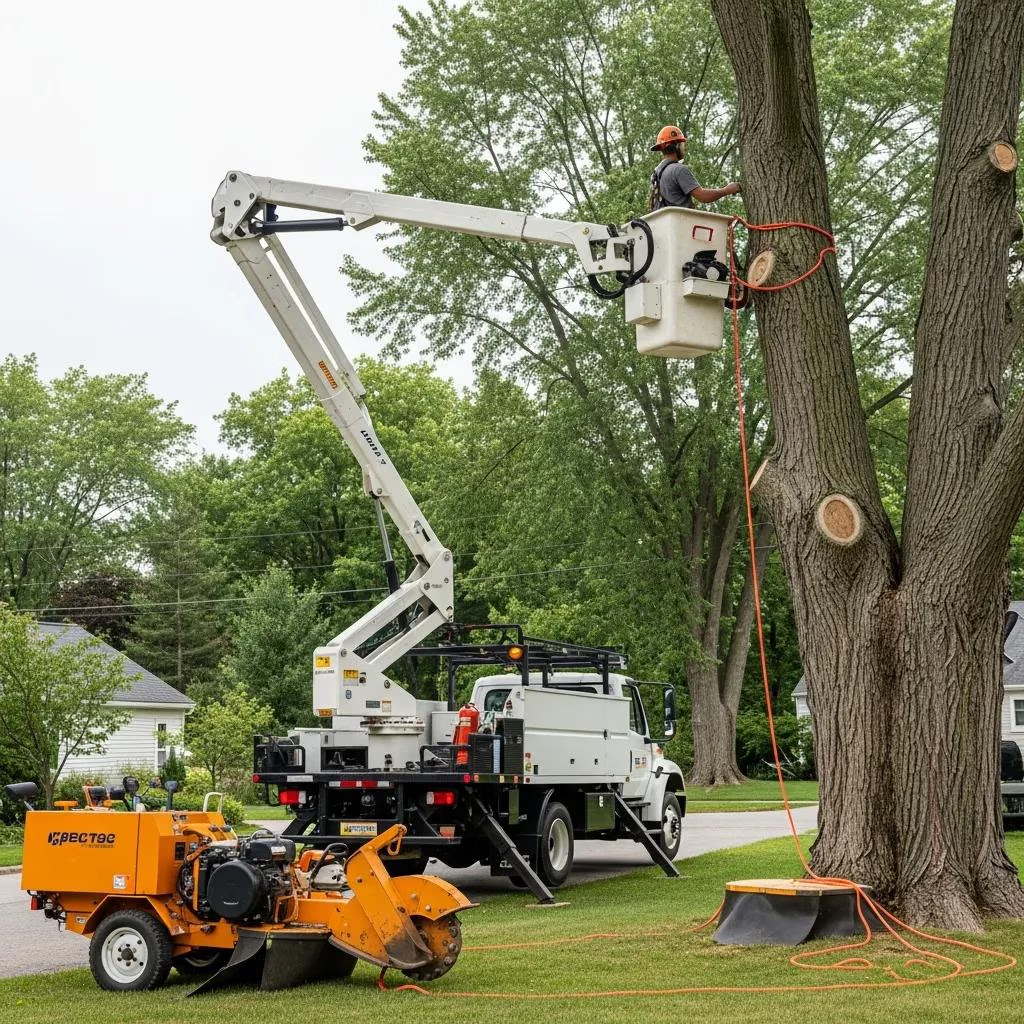
Professional tree removal services utilize specialized equipment and techniques that enhance the efficiency and safety of the process. Tools such as bucket trucks allow for safe access to high branches, while advanced cutting techniques minimize damage to surrounding areas. This level of expertise and equipment ensures that tree removal is completed quickly and effectively, reducing the overall impact on the property.
How Do Costs Compare Between DIY Tree Removal and Professional Services?
When comparing the costs of DIY tree removal to professional services, homeowners must consider both direct expenses and potential hidden costs. While DIY may seem more economical at first glance, the risks and liabilities involved can lead to unexpected expenses.
What Are the Typical Expenses Involved in DIY Tree Removal and Equipment Rental?
Typical expenses for DIY tree removal include equipment rental costs, safety gear expenses, and potential injury costs. Renting a chainsaw or stump grinder can add up, and homeowners must also factor in the cost of protective equipment. Additionally, if an accident occurs, medical expenses can quickly escalate, making DIY tree removal a potentially costly endeavor.
How Do Professional Tree Cutting Costs Reflect Safety, Efficiency, and Liability Coverage?
Professional tree cutting costs reflect the safety measures, efficiency, and liability coverage that come with hiring experts. While the upfront cost may be higher than DIY, the value of professional services includes insurance coverage that protects homeowners from liability in case of accidents. Moreover, the efficiency of trained professionals can save time and reduce the risk of damage to property, making it a worthwhile investment.
What Local Regulations and Permits Must Homeowners Consider for Tree Removal in Waukesha and Milwaukee Counties?
Homeowners in Waukesha and Milwaukee counties must be aware of local regulations and permits required for tree removal. Understanding these requirements is essential to avoid fines and ensure compliance with local laws.
When Is a Permit Required for Tree Removal and How to Obtain It?
A permit is typically required for tree removal in certain situations, such as when removing large trees or those located in protected areas. Homeowners should contact their local authorities to determine the specific requirements and gather the necessary documentation for the permit application process. This proactive approach can prevent legal complications down the line.
How Do Licensed Professionals Navigate Legal Requirements to Protect Homeowners?
Licensed professionals are well-versed in the legal requirements surrounding tree removal. They can guide homeowners through the permit application process and ensure that all necessary regulations are followed. By hiring a professional, homeowners can rest assured that their tree removal project will comply with local laws, reducing the risk of fines or legal issues.
When Should Homeowners Opt for Emergency Tree Removal Services?
Emergency tree removal services are essential in situations where trees pose immediate hazards to safety or property. Homeowners should be aware of the signs that indicate a tree requires urgent attention.
What Are the Signs of Hazardous Trees Requiring Immediate Professional Attention?
Signs of hazardous trees include visible decay, structural issues, and signs of disease. If a tree appears unstable or poses a risk of falling, it is crucial to seek professional assistance promptly. Ignoring these signs can lead to dangerous situations and costly damage.
Professionals play a vital role in educating homeowners about tree risk assessment, helping to identify and mitigate potential hazards before they escalate.
Tree Risk Assessment: Professional Guidance for Homeowners
In this section we review the fundamentals of tree risk assessment, that professionals would do well to help educate tree owners about tree risk assessment, to reduce the risk of tree
Hazard tree liability in the United States: uncertain risks for owners and professionals, B Kane, 2004
How Do Professionals Manage Emergency Tree Removal Safely and Efficiently?
Professionals manage emergency tree removal by employing safety protocols and specialized equipment. They assess the situation quickly and determine the best approach to remove the tree while minimizing risks. This expertise ensures that emergency tree removal is conducted safely and efficiently, protecting both the property and the individuals involved.
How Can Homeowners Contact Dunbar Tree Service for Reliable Professional Tree Removal?
Homeowners seeking reliable professional tree removal services can easily contact Dunbar Tree Service for assistance. The company specializes in expert tree removal, cutting, trimming, and related services, serving homeowners and commercial property owners primarily in Waukesha and Milwaukee counties.
What Customer Support and Consultation Services Are Available?
Dunbar Tree Service offers customer support and consultation services to help homeowners understand their tree removal needs. They provide free consultations and estimates, ensuring that clients are informed about their options before making a decision.
How Does Dunbar Tree Service Ensure Safety and Satisfaction in Every Project?
Dunbar Tree Service prioritizes safety and customer satisfaction in every project. The company invests in high-quality equipment and follows strict safety protocols to ensure that each job is completed efficiently and safely. Their commitment to communication and transparency helps build trust with clients, making them a reliable choice for tree removal services.
Frequently Asked Questions
What Should Homeowners Consider Before Attempting DIY Tree Removal?
Before attempting DIY tree removal, homeowners should evaluate their experience level, the size and type of tree, and the tools required for the job. It’s essential to assess the risks involved, including potential injuries and property damage. Homeowners should also consider local regulations regarding tree removal, as some areas may require permits. Additionally, understanding the environmental impact and the tree’s role in the landscape can help inform the decision. If in doubt, consulting with a professional can provide valuable insights.
How Can Homeowners Assess the Health of a Tree Before Removal?
Homeowners can assess a tree’s health by looking for signs of decay, disease, or structural instability. Indicators include dead branches, peeling bark, and fungal growth at the base. A leaning tree or one with extensive canopy dieback may also signal that it is unhealthy. Conducting a visual inspection and, if necessary, consulting an arborist can provide a more accurate assessment. Understanding the tree’s condition is crucial for making informed decisions about removal or treatment options.
What Are the Environmental Considerations of Tree Removal?
Tree removal can have significant environmental impacts, including loss of habitat for wildlife and changes to local ecosystems. Homeowners should consider the tree’s role in carbon sequestration, soil stabilization, and water retention. Before removal, it’s advisable to explore alternatives, such as pruning or relocating the tree. If removal is necessary, homeowners can mitigate environmental effects by planting new trees or supporting local reforestation efforts. Understanding these factors can help maintain ecological balance in the area.
What Are the Long-Term Costs of DIY Tree Removal?
The long-term costs of DIY tree removal can be substantial, often exceeding initial savings. Homeowners may face expenses related to property damage, medical bills from injuries, or costs associated with improper removal techniques. Additionally, if the tree’s removal leads to erosion or other landscape issues, further investments may be needed to restore the area. Hiring professionals can provide upfront clarity on costs and help avoid unexpected financial burdens in the future.
How Can Homeowners Prepare for Professional Tree Removal Services?
Homeowners can prepare for professional tree removal by clearing the area around the tree of obstacles, such as furniture, vehicles, or garden decorations. It’s also helpful to inform neighbors about the scheduled work, especially if it may cause noise or disruption. Homeowners should discuss their specific concerns and expectations with the tree removal service beforehand to ensure a smooth process. Having a clear understanding of the timeline and procedures can enhance the overall experience.
What Follow-Up Care Is Needed After Tree Removal?
After tree removal, homeowners should consider follow-up care to address the remaining stump and any potential soil erosion. Stump grinding or removal can prevent regrowth and improve aesthetics. Additionally, homeowners may need to fill the hole left by the tree with soil and consider replanting in the area. Monitoring the site for any signs of pests or disease is also essential. Proper follow-up care can help maintain the landscape’s health and appearance.