How Much Does Tree Removal Cost in Waukesha County?
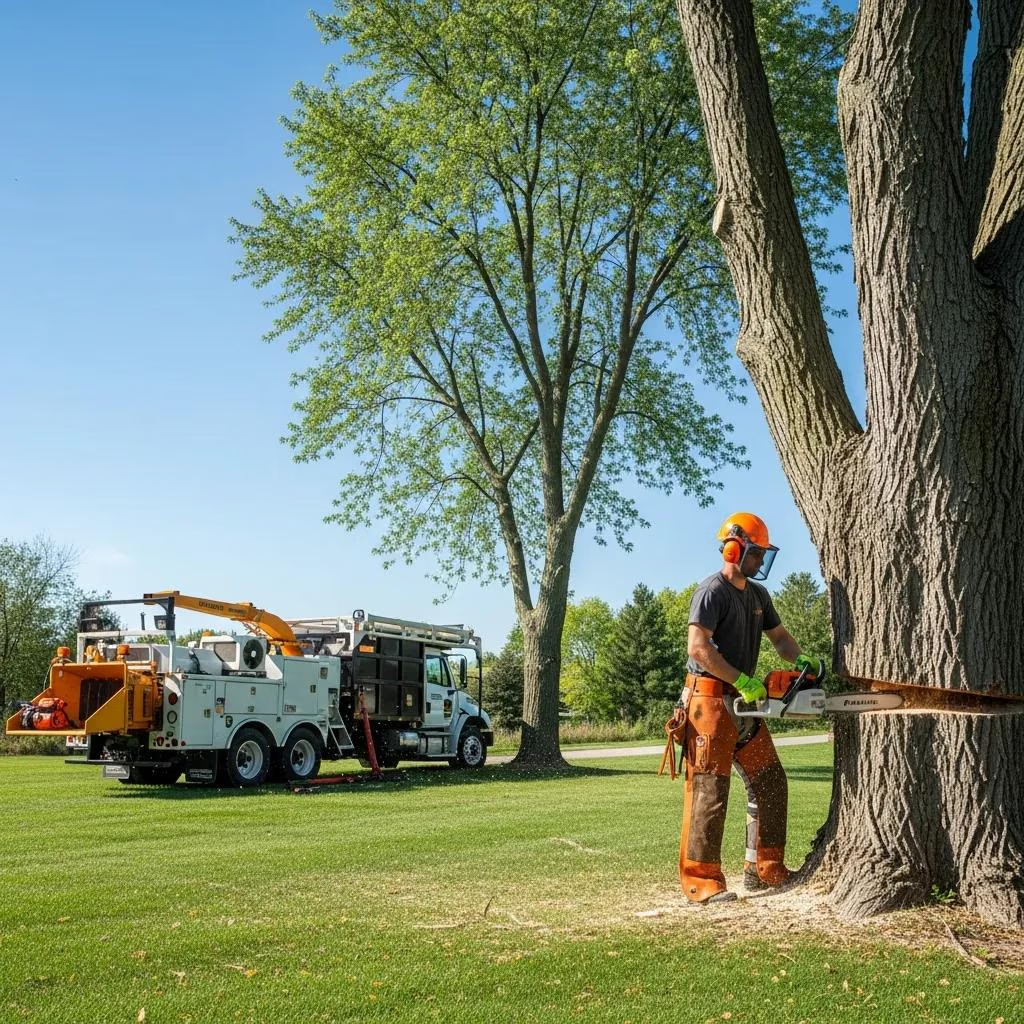
How Much Does Tree Removal Cost in Waukesha County? Comprehensive Pricing and Service Guide
Tree removal is a critical service for maintaining safety and aesthetics in residential and commercial properties. Understanding the costs associated with tree removal in Waukesha County can help homeowners and property managers make informed decisions. This guide will explore the various factors influencing tree removal pricing, average costs based on tree size and type, permit requirements, and additional services that may affect overall pricing. By the end of this article, you will have a comprehensive understanding of what to expect when considering tree removal services in Waukesha County.
What Factors Influence Tree Removal Cost in Waukesha County?
Several factors can significantly impact the cost of tree removal services in Waukesha County. These include the size and condition of the tree, its location, and the complexity of the removal process. Understanding these elements can help you anticipate the potential costs involved.
How Do Tree Size and Diameter Affect Removal Pricing?
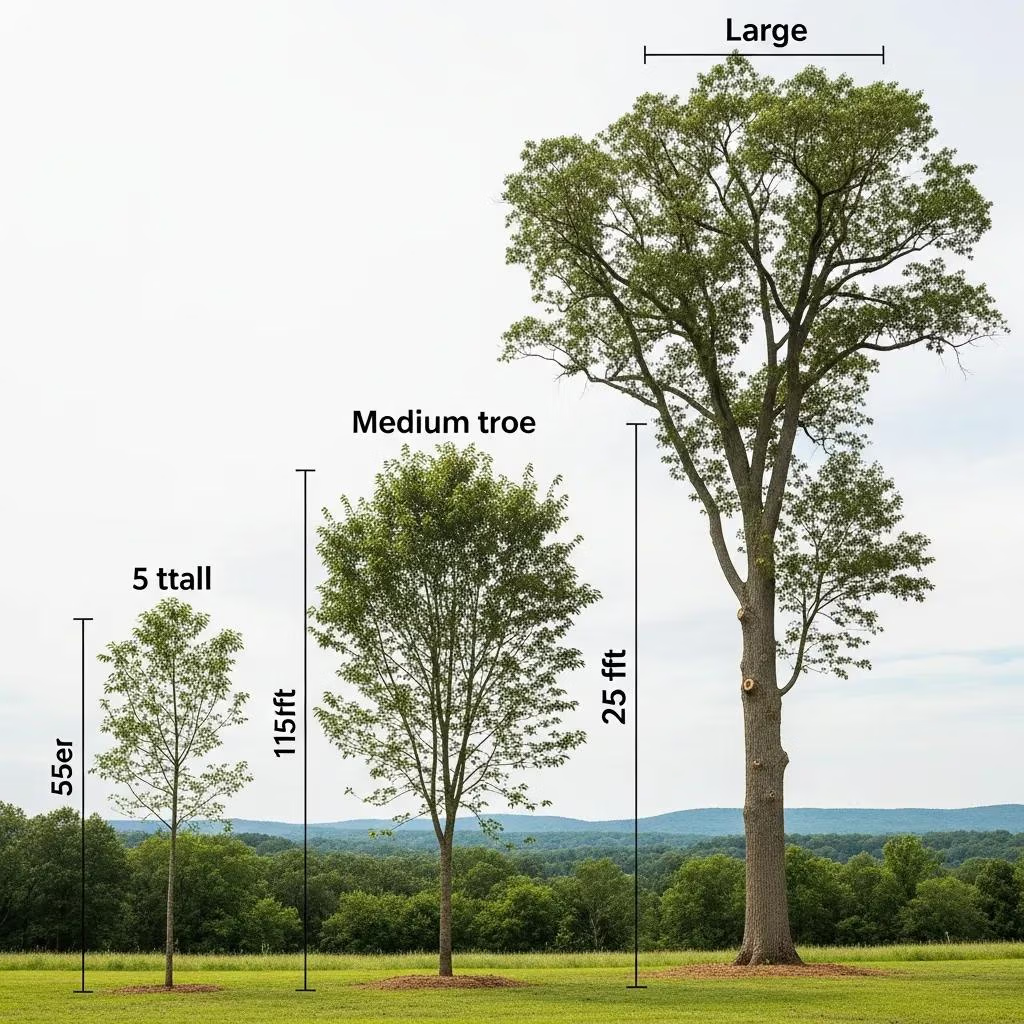
The size and diameter of a tree are primary determinants of removal costs. Larger trees typically require more time, labor, and specialized equipment to remove safely. For instance, a tree with a diameter of over 24 inches may cost significantly more to remove than a smaller tree due to the increased difficulty and risk involved. Additionally, the height of the tree can affect the method of removal, with taller trees often necessitating the use of cranes or other equipment, further increasing costs.
What Role Do Tree Species and Condition Play in Cost Estimates?
The species and condition of a tree also play a crucial role in determining removal costs. Certain species may have denser wood or unique growth patterns that complicate the removal process. For example, hardwoods like oak or maple may be more challenging to remove than softer woods like pine. Furthermore, the health of the tree can influence pricing; a diseased or dying tree may require special handling to prevent hazards during removal.
Beyond the physical characteristics, the ecological impact and management of certain tree species, particularly invasive ones, can introduce additional complexities and costs to removal projects.
Invasive Tree Removal Costs & Urban Conflicts
The dichotomy between positive and negative effects on ecosystem services has led to significant conflicts over the removal of non-native invasive tree species worldwide. We collated examples of conflict surrounding the control or management of tree invasions where conflict has caused delay, increased cost, or cessation of projects aimed at invasive tree removal. We found that conflicts span a diverse range of taxa, systems and countries, and that most conflicts emerge around three areas: urban and near-urban trees; trees that provide direct economic benefits; and invasive trees that are used by native species for habitat or food. We suggest that such conflict should be seen as a normal occurrence in invasive tree removal.
Conflicting values: ecosystem services and invasive tree management, IA Dickie, 2014
What Are the Average Tree Removal Costs by Tree Size and Type in Waukesha?
When considering tree removal, it’s essential to understand the average costs associated with different tree sizes and types. This section provides a breakdown of typical price ranges for tree removal in Waukesha County.
What Is the Typical Price Range for Small, Medium, and Large Trees?
| Tree Size | Average Cost Range |
|---|---|
| Small (up to 15 ft) | $150 – $400 |
| Medium (15-30 ft) | $400 – $800 |
| Large (over 30 ft) | $800 – $1,500 |
These ranges reflect the general pricing structure, but actual costs may vary based on specific circumstances and additional services required.
How Does Local Wisconsin Tree Species Impact Pricing?
Local tree species can also affect removal costs. In Waukesha County, common species include oak, maple, and pine. Each species has unique characteristics that can influence the removal process. For instance, oak trees may require more time and specialized equipment due to their size and density, potentially leading to higher costs compared to other species.
When facing specific threats to local species, such as the emerald ash borer affecting ash trees, a detailed economic analysis can help homeowners decide between treatment and removal.
Ash Tree Removal vs. Treatment: Economic Cost Analysis
A model is presented to assist in deciding the fate of ash trees (Fraxinusspp.) threatened by the arrival of emerald ash borer (Agrilus planipennisFairmaire) in North America. The model tracks ongoing treatment costs versus one-time costs associated with removal and replacement. All future values are discounted following standard economic practice. For each year over a period of interest, the net treatment gain/loss is calculated, indicating the period of time over which a homeowner would be financially ahead/behind by treating the existing ash tree. The model was populated, with values that may be expected in Canadian conditions, where treatment options are more limited than in the United States. Optional model features include property value premiums, energy savings, runoff and pollution benefits, and ongoing maintenance costs. When these extended benefits and costs are included, positive treatment gains for a medium-sized ash persist for about 17 years. Negative values
To treat or remove: an economic model to assist in deciding the fate of ash trees threatened by emerald ash borer, JH Pedlar, 2012
What Permit Requirements Affect Tree Removal in Waukesha County?
Before proceeding with tree removal, it’s essential to understand the local permit requirements that may apply. Certain situations necessitate obtaining a permit, which can influence the overall cost of the project.
When Is a Tree Removal Permit Required in Waukesha?
In Waukesha County, a tree removal permit is typically required for removing trees in designated areas, such as near public roads or in protected zones. Homeowners should check with local authorities to determine if a permit is necessary for their specific situation. Failing to obtain the required permits can result in fines or additional costs.
How Do Permit Costs Influence Overall Tree Removal Pricing?
Permit costs can add to the overall expenses of tree removal. Depending on local regulations, permit fees may range from $50 to several hundred dollars. It’s crucial to factor these costs into your budget when planning for tree removal services.
How Are Emergency Tree Removal Services Priced in Waukesha County?
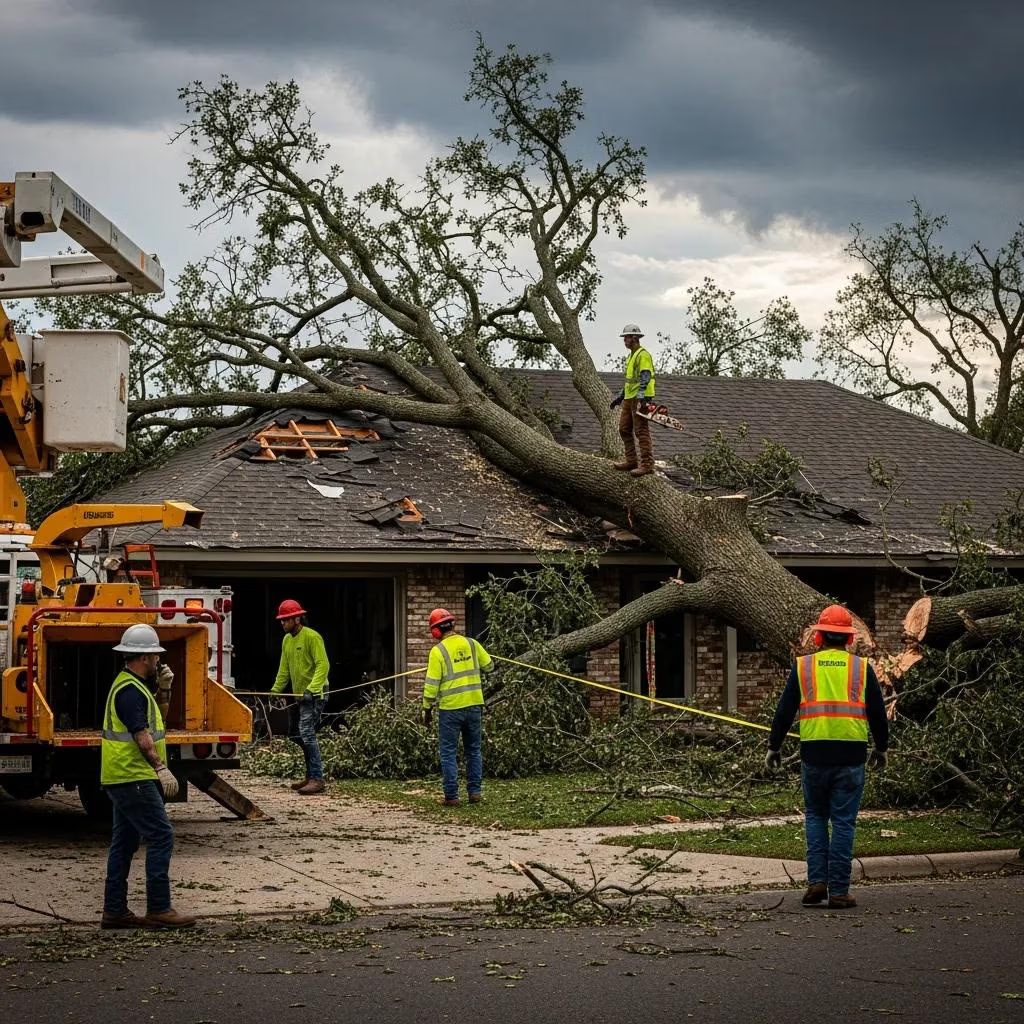
Emergency tree removal services are often necessary after severe weather events or unexpected tree failures. These services typically come at a premium due to the urgency and complexity involved.
What Factors Increase Costs for Emergency Tree Removal?
Several factors can increase the costs associated with emergency tree removal. These include the time of day (after-hours services may incur higher fees), the location of the tree, and the extent of the damage. Additionally, if specialized equipment is required to safely remove the tree, this can further elevate costs.
How Does Dunbar Tree Service Ensure Safety and Reliability in Emergencies?
Dunbar Tree Service prioritizes safety and reliability in emergency situations. Their team of trained professionals is equipped to handle urgent tree removal needs efficiently, ensuring minimal disruption to your property. With a focus on safety protocols and quick response times, Dunbar Tree Service is a trusted choice for emergency tree care in Waukesha County.
What Additional Services Affect Tree Removal Pricing?
In addition to the basic tree removal service, several additional services can impact the overall pricing. Understanding these can help you make informed decisions about your tree care needs.
How Much Does Stump Grinding and Debris Removal Cost?
Stump grinding and debris removal are often necessary after tree removal. Stump grinding typically costs between $75 and $300, depending on the size of the stump and the complexity of the job. Debris removal may also incur additional charges, especially if large amounts of wood and branches need to be cleared from the site.
Are There Discounts for Combined Tree Care Services?
Many tree care companies, including Dunbar Tree Service, offer discounts for bundled services. If you require multiple services, such as tree removal, stump grinding, and pruning, inquire about package deals that can save you money while ensuring comprehensive care for your trees.
What Are Common Questions About Tree Removal Costs in Waukesha County?
Understanding common questions about tree removal costs can help clarify the process and set realistic expectations.
How Much Does It Cost to Remove a Large Tree in Wisconsin?
The cost to remove a large tree in Wisconsin can range from $800 to $1,500, depending on various factors such as size, species, and location. It’s essential to obtain quotes from multiple providers to ensure competitive pricing.
Do Licensed and Insured Providers Charge More for Tree Removal?
Licensed and insured tree removal providers may charge higher fees than unlicensed operators. However, hiring a licensed professional ensures that the work is performed safely and in compliance with local regulations, providing peace of mind and potentially saving you money in the long run by avoiding fines or damage.