How Often Should You Trim Your Trees? A Wisconsin Homeowner's Guide
How Often Should You Trim Your Trees? A Wisconsin Homeowner's Guide
Maintaining the health and aesthetics of your trees is essential for any homeowner in Wisconsin. Regular tree trimming not only enhances the beauty of your landscape but also promotes tree health and safety. This guide will provide you with insights on how often to trim your trees, the best times for trimming, and the signs that indicate your trees need maintenance. By understanding these aspects, you can ensure your trees thrive and contribute positively to your property. We will also explore the benefits of regular tree maintenance and how to choose professional services in Waukesha and Milwaukee counties.
What Is the Recommended Tree Pruning Schedule for Wisconsin Homeowners?
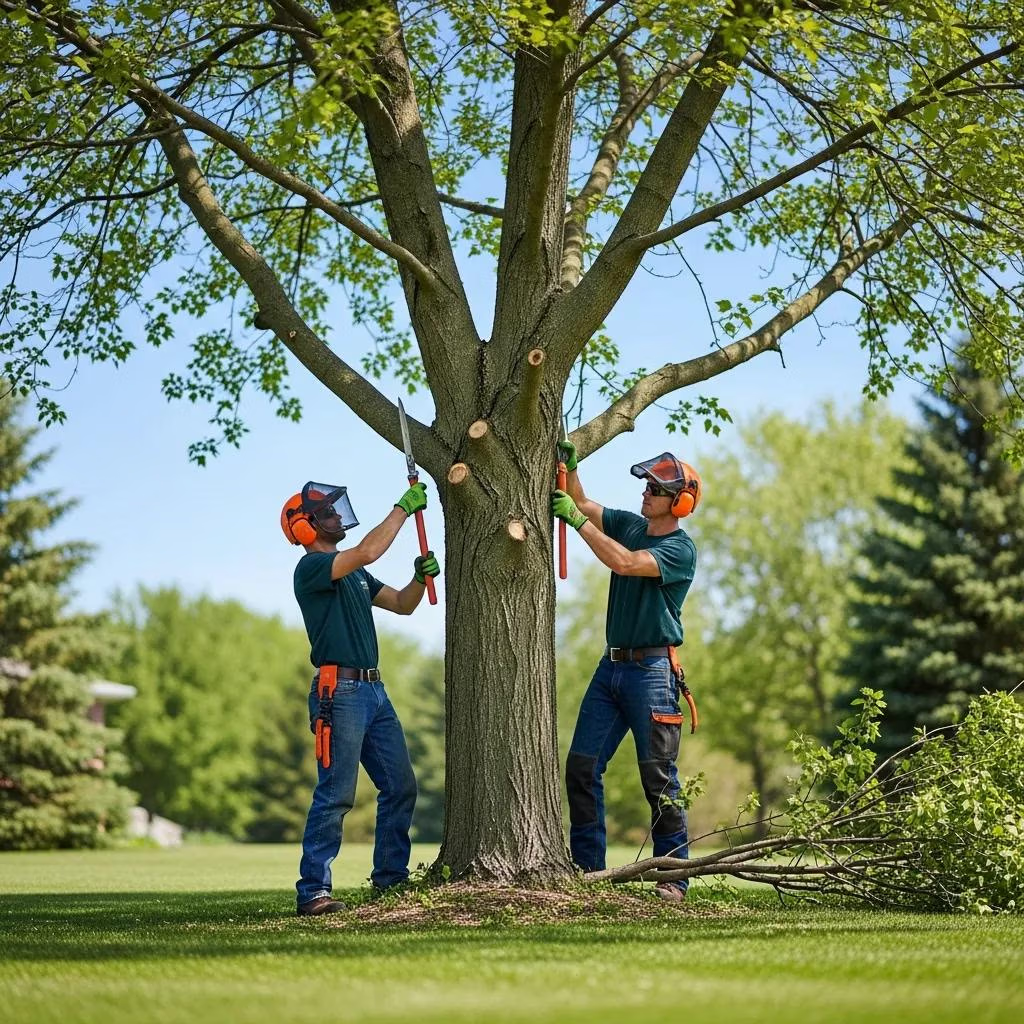
Tree pruning is a critical aspect of tree care that involves removing specific branches to improve the tree’s structure and health. In Wisconsin, the recommended pruning schedule varies based on tree species and their growth patterns. Generally, it is advisable to prune trees during their dormant season, which typically occurs in late winter to early spring. This timing minimizes stress on the tree and promotes healthy growth.
For a deeper dive into the comprehensive aspects of tree care and growth in Wisconsin, homeowners can consult detailed guides.
Wisconsin Homeowner’s Guide to Tree Pruning
This publication will help the owner decide when and how to plant, thin and prune trees to increase wood production, improve wildlife habitat, or enhance the aesthetic value of the property. It also describes the various parts of a tree and how they function, and discusses the factors that influence tree growth in Wisconsin.
Wisconsin woodlands: how forest trees grow, 1984
How Often Should Different Tree Species Be Trimmed in Wisconsin?
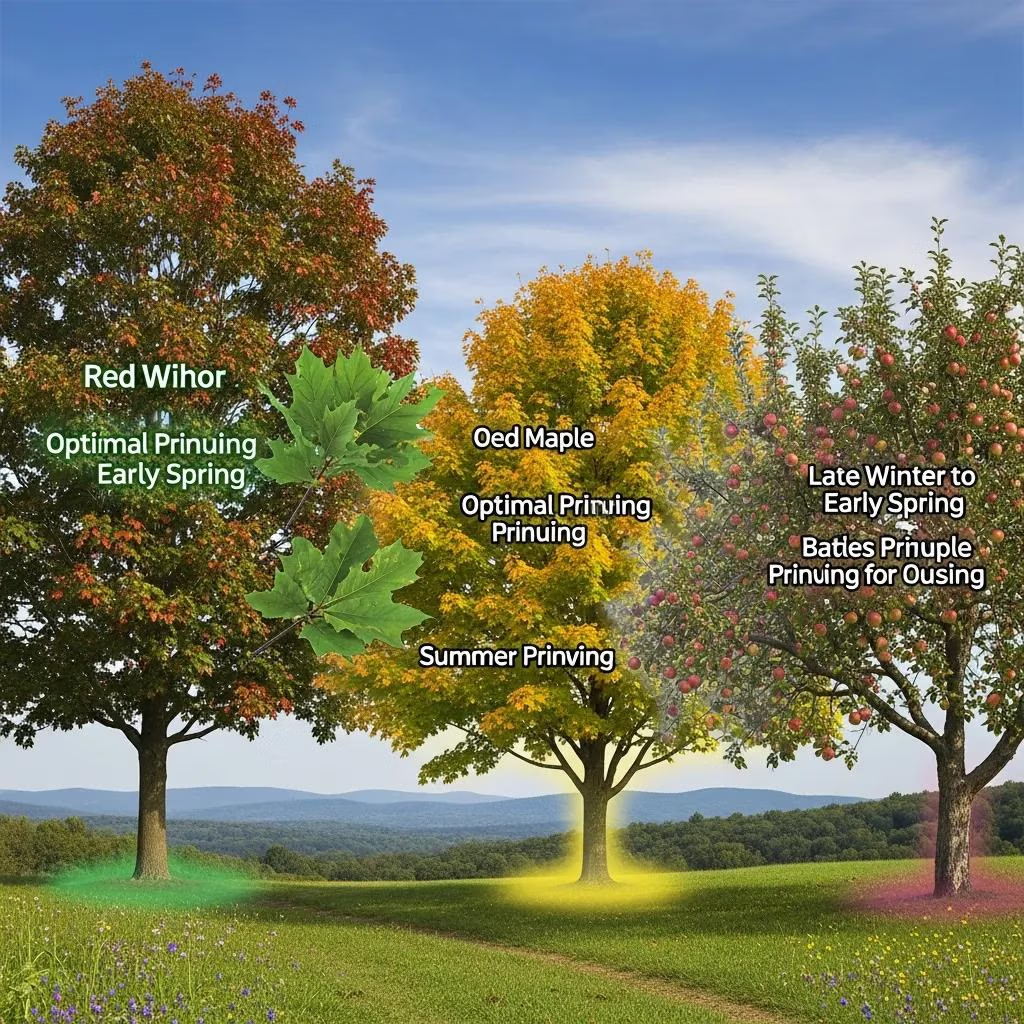
Different tree species have varying pruning needs. For instance, hardwood trees like oaks and maples should be trimmed every 3-5 years, while fruit trees may require annual pruning to encourage fruit production. Understanding the specific needs of your trees can help you maintain their health effectively.
Further elaborating on species-specific needs and the impact of timing, detailed guides offer seasonal recommendations for various tree types.
Wisconsin Tree Pruning: Seasonal Guide for Homeowners
Pruning is not a cut-and-dried procedure. Each pruning job is appropriate to a particular season, depending on what plant material is being pruned and what the pruning is designed to accomplish. When setting up the maintenance pruning schedule, bear in mind a basic horticultural axiom. Dormant season pruning stimulates growth during the following growing season; pruning early in the growing season tends to reduce growth over the following year or two. A large, relatively nonbleeding shade tree such as a mature oak, sycamore or elm can be cleaned up very effectively in winter. Spring pruning ought to be limited to work on new shoots. Early summer pruning of these newly hardened shoots is especially effective with ornamental members of fruiting species such as flowering crabapples, Callery pear, the ornamental plums, flowering quince, and the like.
National Implications Of An Urban Forestry Survey in Wisconsin1, 1978
What Are the General Guidelines for Tree Trimming Frequency?
As a general guideline, most trees benefit from trimming every 3-5 years. Factors such as the tree’s size, growth rate, and overall health can influence this frequency. Homeowners should also consider the specific requirements of their tree species to ensure optimal care.
When Is the Best Time to Trim Trees in Wisconsin? Seasonal Tree Maintenance Explained
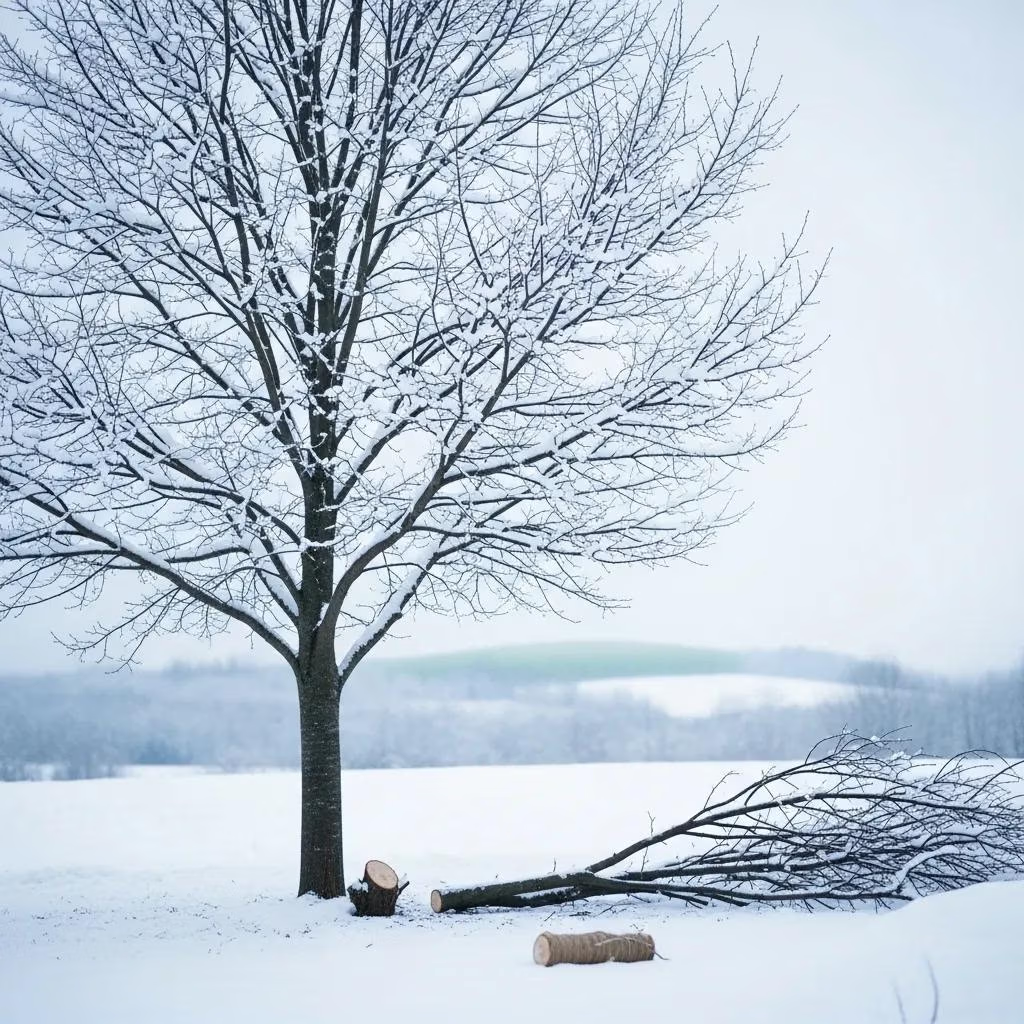
The best time to trim trees in Wisconsin is during the dormant season. This period allows for minimal disruption to the tree’s growth cycle and reduces the risk of disease. Seasonal maintenance also includes inspections for pests and diseases, which can be crucial for tree health.
Emphasizing the benefits of this timing, horticultural experts confirm that dormant season pruning is ideal for minimizing stress and preventing disease transmission.
Dormant Season Tree Pruning in Wisconsin
TREES Trees can be pruned during the dormant season, as it is much easier to see the overall shape of the tree and to identify dead, diseased, or damaged branches. This also minimizes the risk of insect and disease transmission, as many pests are inactive during this period. For most deciduous trees in Minnesota and Wisconsin, the dormant season typically runs from late fall after leaf drop until early spring before bud break.
Minnesota & Wisconsin Month-by-month Gardening: What to Do Each Month to Have a Beautiful Garden All Year, 2014
How Do Seasonal Changes Affect Optimal Tree Trimming Times?
Seasonal changes significantly impact the timing of tree trimming. During dormancy, trees are less susceptible to stress, making it an ideal time for pruning. Winter conditions also enhance safety for arborists, as the visibility of tree structures is improved, allowing for more precise cuts.
What Are the Risks of Trimming Trees Outside Recommended Seasons?
Trimming trees outside the recommended seasons can lead to several risks, including increased vulnerability to stress and a higher likelihood of disease exposure. Additionally, improper timing can result in structural damage to the tree, affecting its long-term health.
What Are the Signs That Your Tree Needs Pruning? Identifying Tree Health Indicators
Recognizing when your tree needs pruning is essential for maintaining its health. Common signs include dead or damaged branches, excessive growth, and structural issues that may indicate instability.
How to Recognize Dead Branches, Disease, and Structural Issues?
Dead branches often exhibit excessive deadwood, while tree diseases may manifest as discoloration or wilting leaves. Structural issues can be identified by leaning branches or cracks in the trunk, signaling the need for immediate attention.
When Should You Schedule Tree Maintenance Based on Tree Health?
The best time to schedule tree maintenance is during the dormant season when trees are less stressed. Regular inspections are crucial, as they allow homeowners to address health indicators promptly and maintain the overall well-being of their trees.
What Are the Benefits of Regular Tree Maintenance for Wisconsin Properties?
Regular tree maintenance offers numerous benefits, including promoting healthy growth, enhancing safety, and improving property aesthetics. By investing in tree care, homeowners can ensure their trees remain vibrant and contribute positively to their landscape.
How Does Proper Trimming Improve Tree Health and Safety?
Proper trimming techniques help trees thrive by removing unhealthy branches and allowing for better air circulation. This practice reduces the risk of falling branches, enhancing safety for both the property and its inhabitants.
What Are the Long-Term Advantages for Homeowners and Commercial Properties?
Healthy trees can significantly increase property value and provide long-term benefits. Preventative maintenance not only saves costs associated with emergency tree removal but also enhances the overall appeal of the property, making it more attractive to potential buyers or tenants.
How to Choose Professional Tree Trimming Services in Waukesha and Milwaukee Counties?
Selecting the right tree trimming service is crucial for ensuring quality care. Homeowners should look for providers with proper certifications and expertise in tree care.
What Certifications and Expertise Should You Look for in Tree Care Providers?
When choosing a tree care provider, look for ISA certification, which indicates a level of expertise in arboriculture. Experience and training in safety protocols are also essential to ensure the job is done correctly and safely.
How Does Dunbar Tree Service Ensure Safety and Compliance in Tree Trimming?
To ensure your trees are in capable hands, Dunbar Tree Service prioritizes safety and compliance by investing in professional-grade equipment and ensuring that all team members use appropriate safety gear. They adhere to ANSI A300 standards, which govern tree care practices, ensuring that your trees are in capable hands.
For more information or to schedule a consultation, contact us today. We are here to help with all your tree care needs.
If you have any questions or would like to schedule a consultation, please contact us. We look forward to hearing from you.