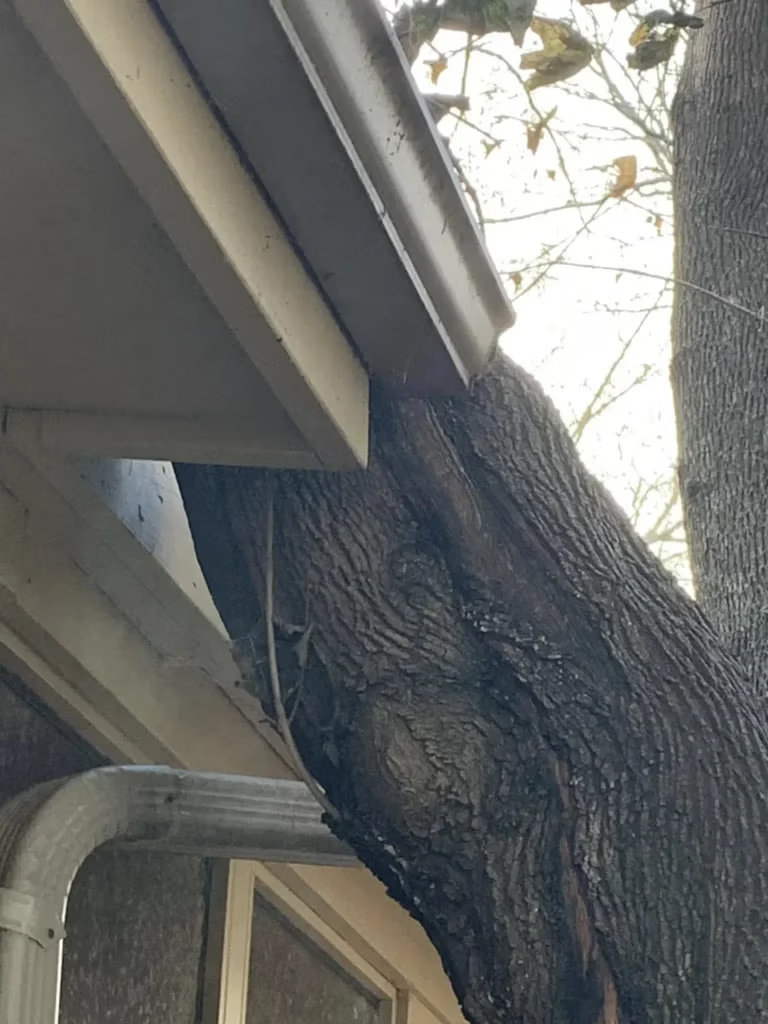
By Chris Dunbar, Dunbar Tree Service
Hanging limbs are a serious hazard in storms and high winds. This guide explains rapid safety steps homeowners can take, how to spot dangerous hanging branches, when to call professionals like Dunbar Tree Service for emergency removal, and what to expect in costs and service options.
The severe risks of falling branches demand timely intervention and professional tree care.
Arboricultural Safety: Fatal & Nonfatal Incidents from Falling Branches
From 2001–2017 the four leading fatal incidents, listed from most to least frequent, were climber falls; workers struck by a falling tree; workers making indirect contact with an electric current; and workers struck by a falling branch. Climber falls were also the leading cause of severe nonfatal injuries, followed by ground workers struck by a falling branch, workers struck by a chainsaw, and falls by aerial device operators.
A review of United States arboricultural operation fatal and nonfatal incidents (2001–2017):
Implications for safety training, J Ball, 2001
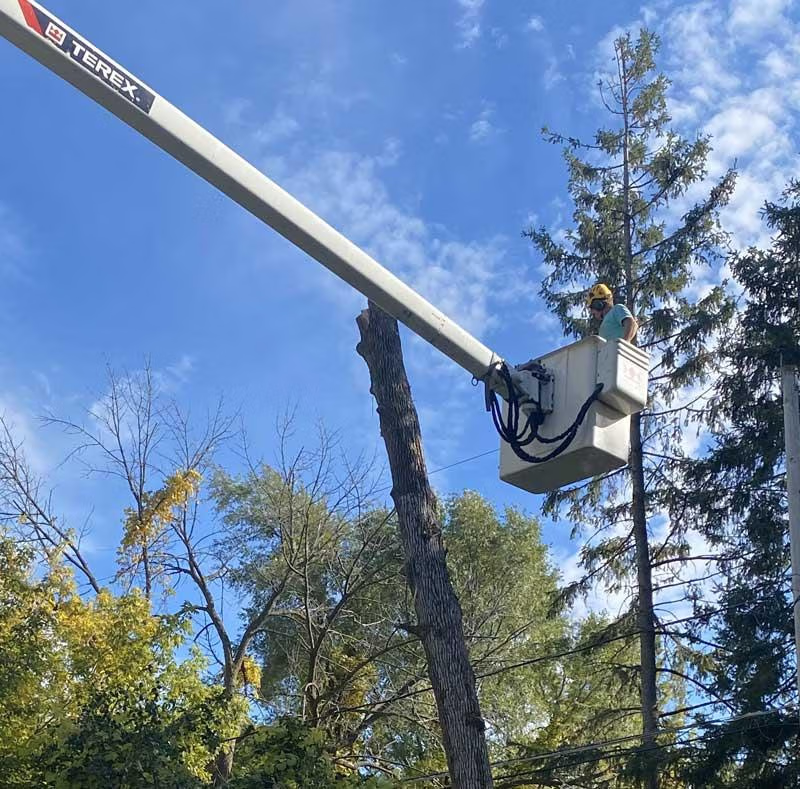
Respond quickly but calmly. Evaluate whether the limb is an immediate threat, secure the area, and call qualified professionals for any hazardous removal. Avoid DIY removal when the limb could fall onto people, vehicles, or utilities.
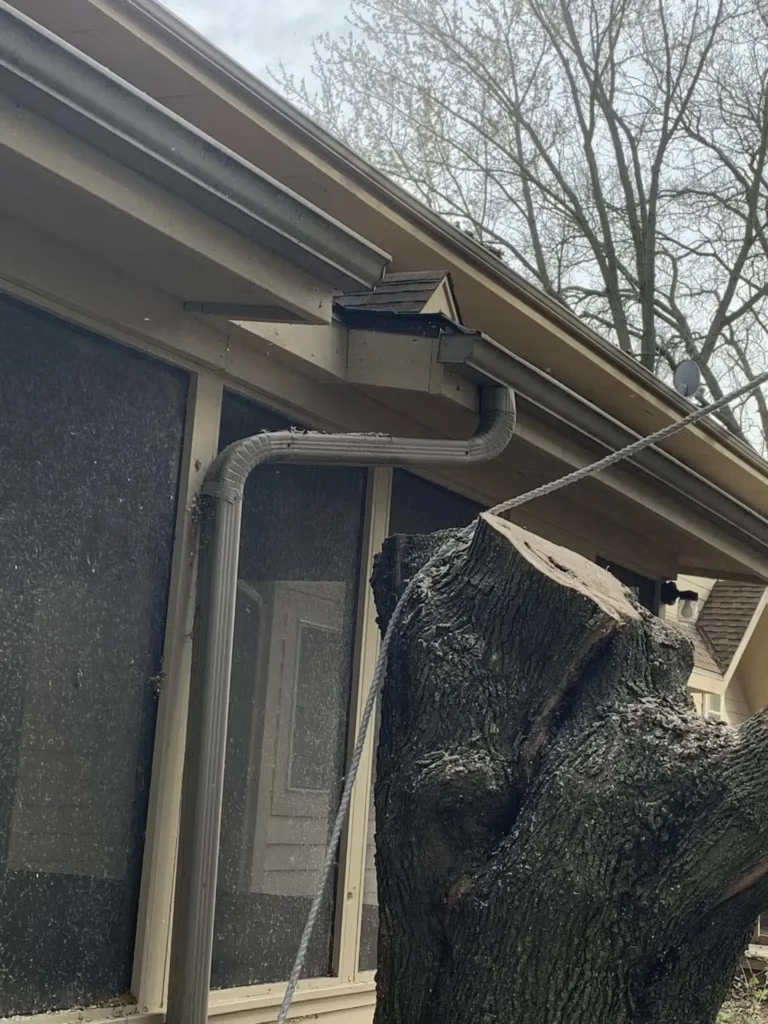
Use a focused visual inspection plus situational checks. Look for decay, cracks, and weak attachment points, and assess nearby targets such as homes, vehicles, and power lines. When in doubt, have a professional perform a full evaluation and recommend mitigation.
Prioritize people. Keep a safe perimeter, warn neighbors, and never stand under a hanging limb. Only approach when it is clearly safe and you have appropriate personal protective equipment (PPE).
Identify hazards by looking for visible defects and observing branch behavior. Rapid cracking, large splits, fungal fruiting bodies, or excessive sway are indicators that a branch is unstable and may fail.
Timely recognition focuses on structural defects and tree health. Dead wood, large cracks, a pronounced lean, or a canopy loss all increase the chance of limb or whole-tree failure.
Arborists follow a systematic process: visual assessment, use of diagnostic tools, and checking attachment points and root health. They provide clear recommendations for removal, pruning, or monitoring based on observed risks.
Act promptly: keep people away, use PPE if you must approach, and arrange professional removal. After removal, recheck the area for debris and remaining hazards.
Contact Dunbar Tree Service immediately for hazardous limbs that threaten people, property, or utilities. Their emergency teams follow rapid-response protocols and can provide documentation useful for insurance claims.
Knowing typical costs helps you choose the right response. Dunbar Tree Service lists emergency and assessment options as well as routine maintenance plans to prevent hazards.
| Service Option | Cost | Details |
|---|---|---|
| Emergency Limb Removal | $249 | Quick response for hazardous limbs. |
| Hazard Assessment | $149 | Comprehensive evaluation of tree health. |
| Routine Maintenance | $99 | Regular check-ups to prevent hazards. |
These service levels let homeowners prioritize urgent safety needs or schedule preventive care to reduce future risks.
Keep clear of the area and avoid attempting removal. Warn neighbors and call a professional tree service such as Dunbar Tree Service for immediate assistance; trained crews handle storm hazards safely.
Schedule periodic inspections with a certified arborist, prune according to best practices, and monitor tree health. Regular maintenance reduces the chance of hazardous limbs forming.
DIY removal risks serious injury or death from falling limbs, chainsaw accidents, or contact with utilities. Use professionals who have training, rigging skills, and safety equipment.
Severe decay, large structural cracks, a pronounced lean, root damage, or loss of most of the canopy suggest a tree may be beyond recovery. Have a certified arborist evaluate the tree for removal or preservation guidance.
Verify credentials, licensing, insurance, and safety procedures. Ask about emergency response time and whether they provide documentation for insurance claims. A transparent provider will explain processes and pricing.
Insurance may cover removal after storm damage or when the tree poses an immediate hazard; policies vary. Keep estimates and invoices to support any claim and check your policy terms.
Proper removal can improve tree vigor and reduce hazards, but excessive pruning can stress trees and increase pest risk. Use qualified professionals who balance safety with tree and site health.
Chris Dunbar is a certified arborist with decades of experience in professional tree care and emergency limb removal. He leads Dunbar Tree Service in providing expert assessments and safe, efficient tree hazard mitigation.
Learn more about the team and their commitment to safety and quality on the Dunbar Tree Service About Us page.