
Spring Tree Care Checklist for Wisconsin Homeowners
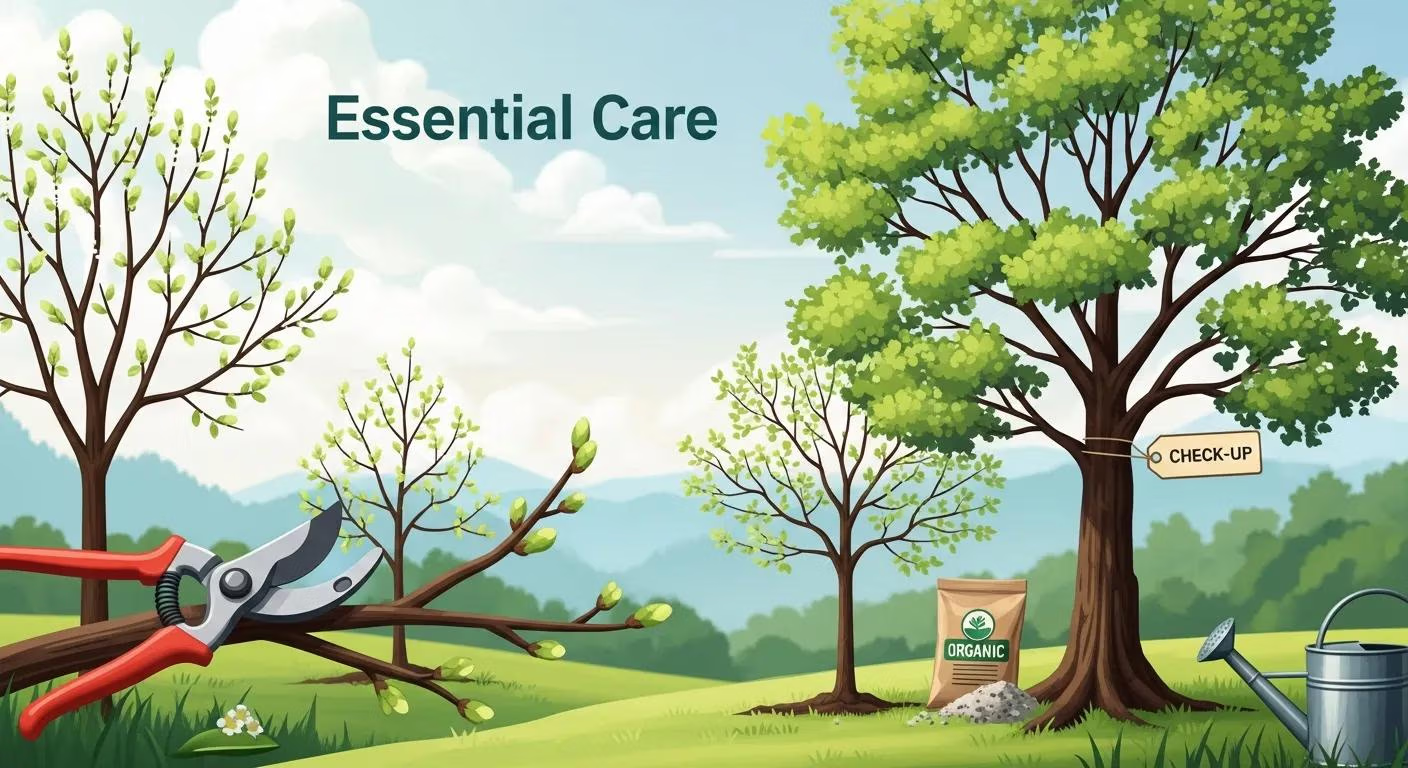
Comprehensive Spring Tree Care Checklist for Wisconsin Homeowners: Expert Guidance for Pruning, Fertilization, and Disease Prevention
Spring is a crucial time for tree care, especially for homeowners in Wisconsin. As trees awaken from their winter dormancy, proper maintenance becomes essential to ensure their health and vitality. This comprehensive guide will provide you with expert insights into effective spring tree care practices, including pruning, fertilization, and disease prevention. By following these guidelines, you can enhance the growth and longevity of your trees while preventing potential issues that may arise during the growing season. We will cover optimal pruning times, effective fertilization techniques, and essential steps for disease prevention, ensuring your trees thrive throughout the year.
When is the Optimal Time for Spring Tree Pruning in Wisconsin?
The optimal time for spring tree pruning in Wisconsin is typically late winter to early spring, just before the trees begin to bud. Pruning during this dormant period minimizes stress on the tree and promotes better healing after cuts.
This timing is crucial for minimizing stress and promoting healing, a practice supported by regional gardening guidelines.
Wisconsin Spring Tree Pruning: Dormant Season Care
first fall frosts and last spring frosts in Minnesota and Wisconsin. These averages are based to maintain the spring display. TREES Trees can be pruned during the dormant season, as
Minnesota & Wisconsin Month-by-month Gardening: What to Do Each Month to Have a Beautiful Garden All Year, 2014
This timing allows for improved air circulation and light penetration, which are vital for the overall health of the tree. Additionally, pruning at this time can help prevent the spread of diseases that may be more prevalent during the growing season.
Indeed, experts highlight that heavy pruning during the dormant season can significantly encourage vigorous vegetative growth in the subsequent spring.
Optimal Spring Pruning for Tree Growth
winter or early spring pruning than by late spring or summer pruning. Thus prune heavily during the dormant season; excessive vegetative growth will be encouraged the following spring
Pruning, DA
Rakow, 2005
What Pruning Techniques Ensure Tree Health and Safety?
Effective pruning techniques are essential for maintaining tree health and safety. Here are some key methods to consider:
- Crown Thinning: This technique improves light penetration and air circulation within the canopy, promoting healthier growth.
- Crown Raising: By removing lower branches, this method enhances clearance and reduces the risk of damage to structures or pedestrians.
- Deadwood Removal: Removing dead or diseased branches prevents the spread of disease and improves the tree’s overall appearance.
Implementing these techniques not only supports tree health but also enhances safety around your property.
How to Implement Effective Tree Fertilization Practices for Wisconsin Trees?
Implementing effective tree fertilization practices is crucial for promoting healthy growth in Wisconsin’s unique climate. The first step is to conduct a soil analysis to determine the specific nutritional needs of your trees. This analysis will guide you in selecting the appropriate fertilizers and application rates.
Fertilization should be timed to coincide with the tree’s active growth period, typically in early spring. This ensures that the nutrients are available when the tree needs them most. Additionally, using slow-release fertilizers can provide a steady supply of nutrients over time, reducing the risk of nutrient leaching and promoting sustained growth.
Dunbar Tree Service offers professional tree care services, including fertilization, to help homeowners ensure their trees receive the right nutrients for optimal health.
Which Fertilizer Types and Application Rates Are Recommended in Spring?
When it comes to fertilizing trees in spring, several types of fertilizers are recommended based on the specific needs of the trees. Here’s a comparison of common fertilizer types and their application rates:
Choosing the right fertilizer type and applying it at the correct rate is essential for maximizing the effectiveness of your fertilization efforts.
How Does Soil Care Enhance Fertilizer Effectiveness?
Soil care plays a significant role in enhancing fertilizer effectiveness. Proper soil management practices can improve nutrient availability and uptake by tree roots. Here are some key considerations:
- Soil Analysis: Conducting a soil test helps identify nutrient deficiencies and pH levels, allowing for targeted amendments.
- Proper Drainage: Ensuring good drainage prevents waterlogging, which can hinder root growth and nutrient absorption.
- Regular Maintenance: Practices such as mulching and aeration support soil health and improve the overall environment for tree roots.
By focusing on soil care, homeowners can significantly enhance the effectiveness of their fertilization efforts.
What Are the Key Steps in Spring Tree Disease Prevention and Pest Management?
Preventing tree diseases and managing pests is crucial for maintaining tree health. Here are key steps to consider:
- Conduct Thorough Spring Inspections: Regularly inspect trees for signs of disease or pest infestations, such as discoloration or unusual growth patterns.
- Prune to Enhance Air Circulation: Proper pruning techniques can improve air circulation, reducing the likelihood of fungal infections.
- Monitor for Pest Signs: Keep an eye out for early signs of pests, such as holes in leaves or sticky residue on branches.
Implementing these steps can help protect your trees from potential threats and ensure their continued health.
How to Identify Early Signs of Tree Diseases and Pests?
Identifying early signs of tree diseases and pests is essential for effective management. Here are some common indicators to watch for:
- Discoloration on Trunks: Look for unusual color changes, which may indicate disease.
- Dead or Hanging Limbs: These can be signs of stress or disease and should be addressed promptly.
- Abnormal Leaf Conditions: Monitor leaves for spots, wilting, or unusual growth patterns.
By being vigilant and proactive, homeowners can catch potential issues early and take appropriate action.
Which Integrated Pest Management Strategies Are Best for Wisconsin?
Integrated Pest Management (IPM) strategies are effective for managing pests while minimizing environmental impact. Here are some recommended approaches:
The successful implementation of IPM strategies often requires a careful re-evaluation of traditional chemical use patterns and extensive study for specific crop situations.
Integrated Pest Management for Tree Disease Prevention
In the U.S., where heavy use of insecticides has been commonplace for years, the development of proper integrated insect pest control cannot get underway unless there is a changed use pattern for such chemicals. A changed use pattern, however, cannot be accomplished without much study to establish the requirements for integrated control for each major crop situation.
Integrated pest management in the US: progress and promise, 1976
- Regular Monitoring: Keep a close watch on tree health and pest populations to identify issues early.
- Cultural Practices: Implement practices such as proper watering and mulching to promote tree health and resilience.
- Biological Controls: Utilize natural predators or beneficial insects to manage pest populations without harmful chemicals.
These strategies can help maintain a healthy ecosystem while effectively managing pests.
How to Conduct a Thorough Tree Health Inspection Checklist in Spring?

Conducting a thorough tree health inspection is vital for identifying potential issues. Here’s a checklist to guide you:
- Inspect Structural Integrity: Look for signs of weakness or damage in the trunk and branches.
- Check for Dead or Damaged Branches: Remove any that could pose a risk to the tree’s health or safety.
- Assess Root and Soil Conditions: Ensure roots are healthy and that soil conditions are optimal for growth.
Following this checklist can help ensure your trees remain healthy and vibrant throughout the growing season.
What Symptoms Indicate Tree Stress or Damage?
Recognizing symptoms of tree stress or damage is crucial for timely intervention. Common indicators include:
- Excessive Moisture: This may signal root rot, which can be detrimental to tree health.
- Leaning Trees: A tree that leans may indicate root damage or instability.
- Visible Cracks: Cracks in the trunk can suggest underlying problems that need to be addressed.
By being aware of these symptoms, homeowners can take proactive measures to protect their trees.
When Should Homeowners Consult Professional Tree Care Services?
There are specific situations when consulting professional tree care services is advisable. Consider reaching out to experts in the following scenarios:
- Emergency Situations: If a tree poses an immediate threat to safety, such as after a storm, professional assessment is crucial.
- Storm Damage: Trees that have sustained damage from severe weather should be evaluated by professionals to determine the best course of action.
- Regular Evaluations: Scheduling regular health assessments can help maintain tree health and prevent future issues.
Dunbar Tree Service specializes in providing expert tree care services, ensuring that homeowners receive the support they need for their trees.
What Seasonal Maintenance Practices Support Optimal Tree Growth in Wisconsin?
Seasonal maintenance practices are essential for supporting optimal tree growth. Here are some key practices to consider:
- Pruning During Dormant Season: This is crucial for promoting healthy growth and preventing disease.
- Regular Inspections: Conducting inspections throughout the year can help catch issues early.
- Proper Watering: Ensuring trees receive adequate water, especially during dry spells, supports healthy growth.
Implementing these practices can significantly enhance the vitality of your trees.
How Often Should Trees Be Watered During Spring?
Watering is a critical aspect of tree care, especially in spring. Newly planted trees typically require more frequent watering, about once a week, to establish their root systems. As trees mature, the frequency can be adjusted based on weather conditions and soil moisture levels. Monitoring soil moisture is essential to ensure trees receive adequate hydration without overwatering, which can lead to root rot.
What Are Best Practices for Mulching and Soil Moisture Retention?
Mulching is an effective practice for retaining soil moisture and promoting tree health. Here are some best practices to follow:
- Use Wood Chips: Applying a layer of wood chips around the base of the tree helps retain moisture and suppress weeds.
- Avoid Excessive Thickness: Ensure that mulch is not piled against the trunk, as this can lead to rot.
- Regularly Replenish Mulch: Over time, mulch breaks down, so it’s important to add more to maintain effectiveness.
By following these practices, homeowners can support their trees’ moisture needs and overall health.
About Chris Dunbar, Certified Arborist
Chris Dunbar is a certified arborist with extensive experience in tree care and maintenance. His expertise ensures that every tree receives the highest standard of care tailored to Wisconsin’s unique environment. For more information about Chris Dunbar and the team, visit our About Us page at Dunbar Tree Service.
For any questions or to schedule a consultation, contact us today.