★ ISA-Certified Arborists · Serving Waukesha & Milwaukee County
★ ISA-Certified Arborists · Serving Waukesha & Milwaukee County
By Chris Dunbar, Dunbar Tree Service
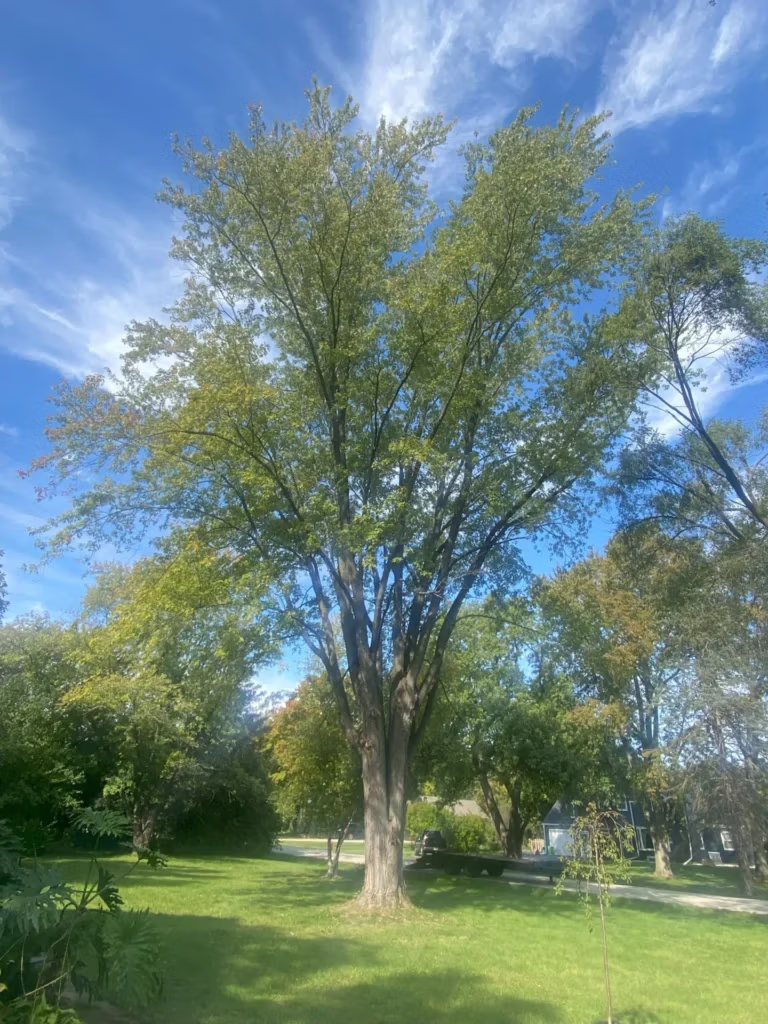
Tree diseases reduce vigor, shorten lifespans, harm landscapes, and can alter local ecosystems. Containment and targeted treatment are essential for homeowners and property managers. This article summarizes practical strategies for prevention, diagnosis, and management so property owners can preserve tree health and limit spread.
Prevention is the best way to maintain tree vigor and longevity. Routine cultural care reduces outbreak risk and builds resilience. Common professional practices include:
These steps create a more resilient landscape and reduce the chance of disease development.
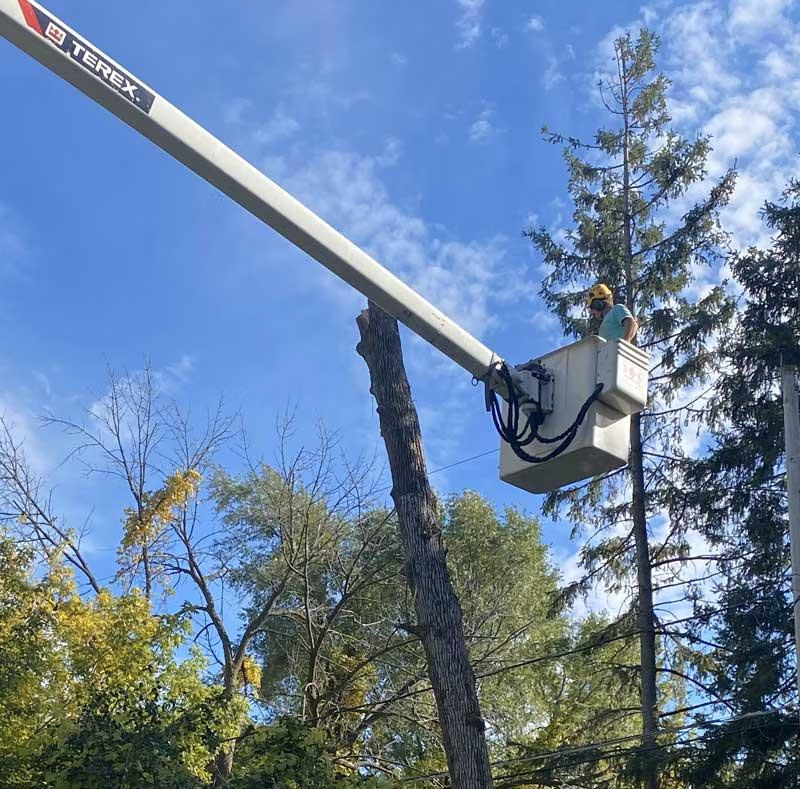
Correct diagnosis is the basis of effective treatment. Standard diagnostic approaches include:
Peer literature supports soil and foliar analysis as diagnostic tools that distinguish nutritional and abiotic problems from infectious causes.
Soil & Foliar Analysis for Urban Tree Diagnosis
In recent years, improved knowledge of solitary tree nutrition led to the development of soil and foliar analysis as tools to assess chloride injury and nutrient deficiencies in the Netherlands. Threshold values by species and elemental proportions were compiled. These data enable the arborist to distinguish between causes that produce similar symptoms, such as potassium deficiency, chloride damage, and drought.
Using soil and foliar analysis to diagnose the nutritional status of urban trees, 1995
Combining observation with targeted testing leads to earlier detection and more precise treatment plans, improving outcomes.
Once a diagnosis is made, apply management practices that both contain the issue and restore tree health. Standard protocols include:
Dunbar Tree Service offers specialist disease management—diagnosis, containment planning, and approved treatment applications—delivered by certified arborists experienced with a range of tree health issues.
Identification relies on observing key symptoms. Primary indicators include:
Document symptoms and consult a certified arborist for diagnosis and treatment options when needed.
Early detection improves success. Focus inspections on:
These checks support faster diagnosis and targeted treatment to preserve tree form and health.
Key regional threats to watch for include:
Knowing these threats helps prioritize prevention and prompt professional response.
Containment prevents pathogen or pest spread. Effective tactics include:
As part of integrated plans, these tactics limit transmission while reducing ecological impact.
Research emphasizes combining multiple control tactics into coordinated strategies for effective management of tree epidemics.
Integrated Strategies for Pine Wilt Disease Management
This review summarises tactics and strategies developed to manage pine wilt disease. Effective control requires combining several strategies: (1) reduce reservoirs of infection, (2) isolate hosts from the pathogen, and (3) increase host resistance. Practical tactics include removing trees killed by pine wilt, controlling vector insects to protect susceptible hosts, replacing vulnerable pines with resistant species, and injecting nematicides into trunks of susceptible trees. A control strategy is a planned combination of these tactics.
Integrated pest management of pine wilt disease in Japan: tactics and strategies, N Kamata, 2008
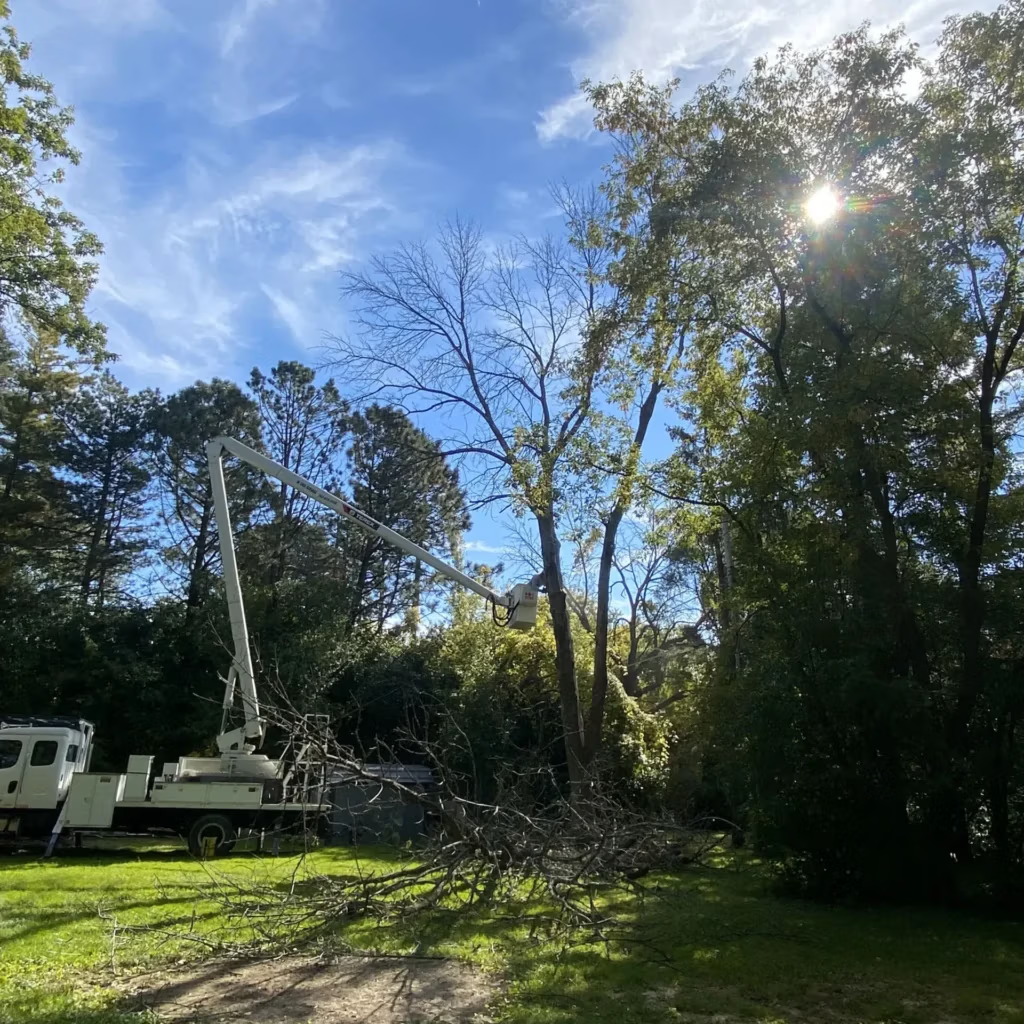
Call a professional when indicators show elevated risk to health or safety. Typical triggers include:
Dunbar Tree Service provides assessments and interventions to address these issues and protect landscape assets.
ISA‑certified arborists bring validated training and experience. Benefits include:
Certified professionals deliver qualified assessments, customized treatment plans, and ongoing preventive care to protect tree health.
To find local tree-care providers, follow a straightforward process:
These steps help property owners select capable professionals and obtain appropriate, budgeted services.
Common signs include leaf discoloration, wilting, galls or cankers, trunk cracks, oozing sap, and premature leaf drop. Symptoms vary by disease; regular inspections improve early detection and treatment success.
Maintain consistent watering, fertilize based on soil or foliar testing, prune correctly, and use integrated pest management. Planting in suitable sites and allowing adequate root space reduces stress and disease risk.
Soil quality, moisture, and climate strongly influence susceptibility. Excess water can cause root rot; drought reduces vigor. Managing these factors reduces overall disease pressure.
Inspect trees at least annually, and more frequently for high‑value or mature specimens. Check in spring and fall, and arrange immediate assessments after severe weather or sudden decline.
Document symptoms, avoid unverified treatments, and consult a certified arborist for diagnosis and recommendations. Early professional intervention can prevent spread and preserve tree health.
Treatment depends on the disease. Examples: removing infected material and protective treatments for Dutch Elm Disease; trenching and fungicides for Oak Wilt; systemic insecticides or removal for Emerald Ash Borer. An arborist will prescribe the correct measures for each case.
Use resources from organisations like the International Society of Arboriculture and local extension services. Attend workshops, read technical guides, and consult local arborists for region‑specific advice.
Chris Dunbar is a certified arborist with decades of experience in tree health and disease management. He leads Dunbar Tree Service in providing expert diagnosis, containment, and treatment strategies to preserve and protect trees. Learn more about the team and their commitment to quality care on the Dunbar Tree Service About Us page.
tree disease treatment sioux falls, tree disease treatment berwyn, tree disease treatment, tree disease containment, diseased tree diagnosis, tree disease management, arborist disease assessment, infected tree treatment, tree disease prevention strategies, fungal tree disease treatment, tree health disease control, professional tree disease services