★ ISA-Certified Arborists · Serving Waukesha & Milwaukee County
★ ISA-Certified Arborists · Serving Waukesha & Milwaukee County
By Chris Dunbar, Dunbar Tree Service
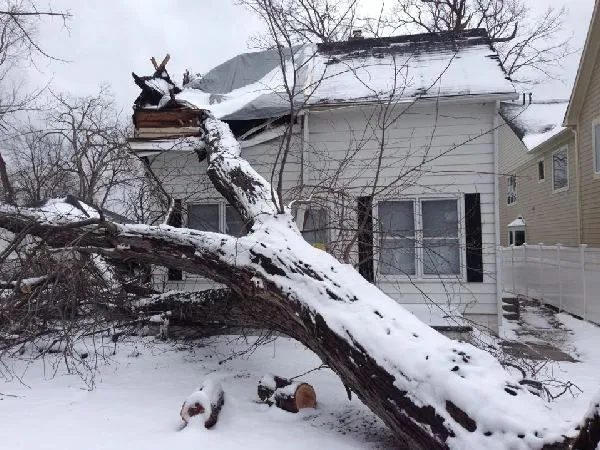
Storm-damaged trees pose immediate hazards to people and property. Prompt professional removal, accurate assessment, and clear documentation reduce risk and speed recovery. This guide summarizes assessment methods, safe removal practices, the insurance-claim workflow, and how Dunbar Tree Service supports emergency storm removals.
Storm damage removal combines a focused assessment with controlled removal methods to protect property and limit environmental impact. Clear understanding of insurance roles, coverage clauses, and required documentation reduces administrative delays. Dunbar Tree Service offers coordinated storm removal and claim-support services to assist property owners.
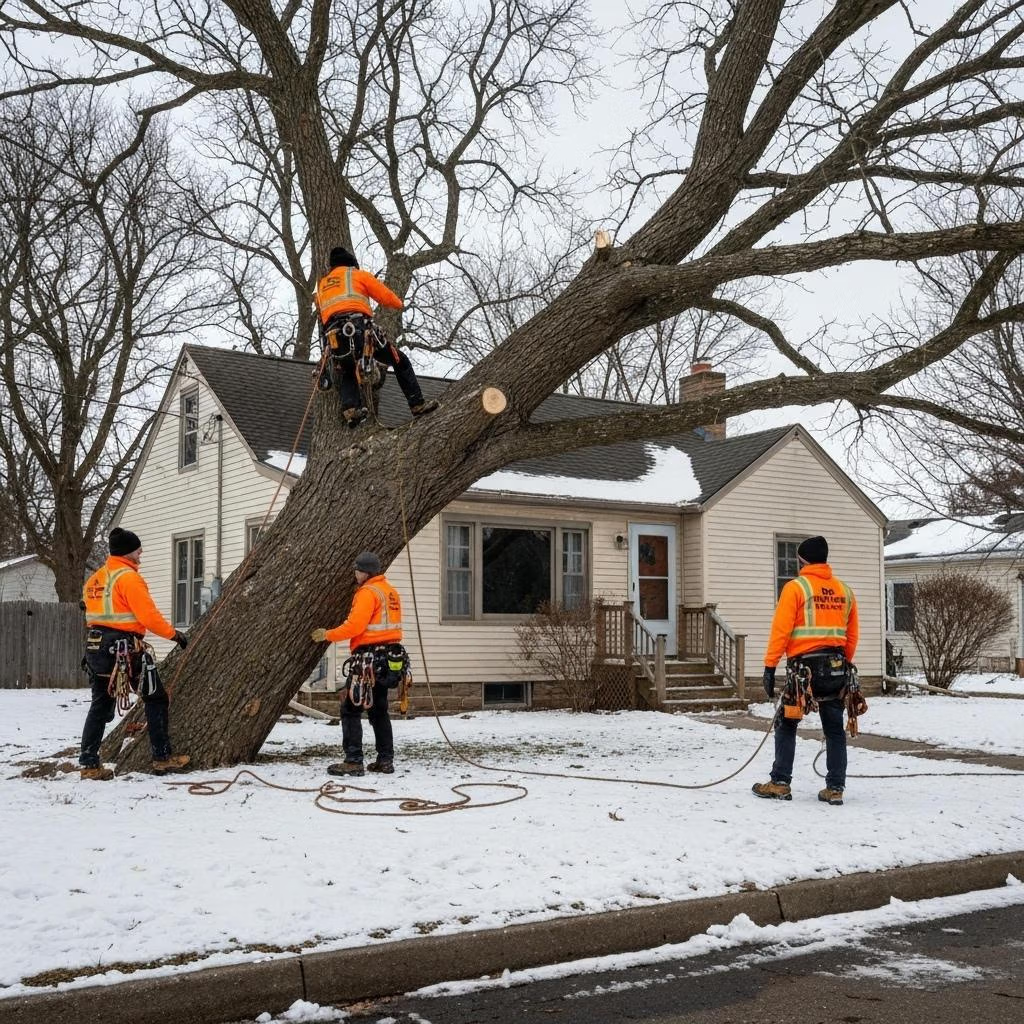
Assessments start with a systematic visual inspection to evaluate structural defects, root stability, and crown integrity. Certified arborists supplement observations with diagnostic tools when needed and produce a concise written report and photos that insurers expect. Use experienced professionals to ensure accurate findings and a smoother claim process.
Understanding these assessment methodologies is essential for consistent risk management and reliable decision-making.
Tree Risk Assessment for Property & Public Safety
In the presence of a target, tree failure can damage property, interrupt services, or endanger public safety. Multiple qualitative methods have been developed globally to provide a systematic approach to tree risk assessment and management. The consistency and accuracy of these methods, the value assigned to the tree and its potential targets, and the risk perceptions and acceptance levels of the evaluator and tree owner all affect how risk is managed.
Risk assessment and risk perception of trees: A review of literature relating to arboriculture and urban forestry, RW Klein, 2019
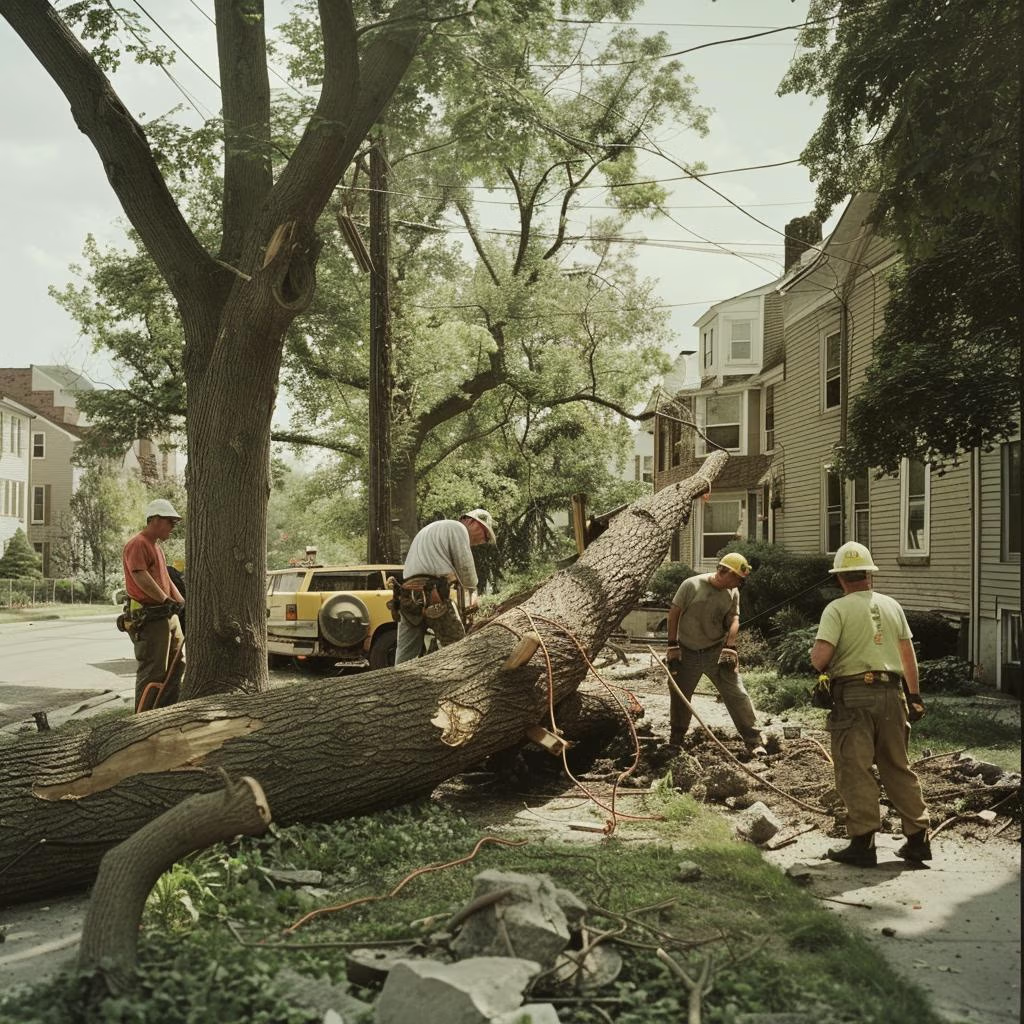
Safe removals follow industry standards: identify site hazards, evaluate proximity to structures and utilities, and select rigging and dismantling techniques that control where material lands. Emergency crews are trained for unstable conditions and unforeseen complications; prioritizing safety protects people and property.
Navigating claims can be difficult after a storm. Dunbar Tree Service helps by compiling dated photos and an arborist report formatted to insurer expectations, advising on submission requirements, and providing written estimates when needed. Professional documentation improves the chance of a favorable, timely determination.
Coordination between tree care professionals and insurers is a key factor in efficient claims handling and validated by industry research.
Insurance Claims & Tree Care Industry Coordination
Research examined the factors that drive insurance determinations in tree-related claims and the responses of the tree care industry.
Exploring trust and communication between insurers, arborists, and homeowners, J Calabria, 2025
File a clear, documented sequence of actions to support coverage decisions and avoid delays.
These steps streamline processing and increase the likelihood of timely compensation.
Good documentation uses clear photos, context shots, and dated notes. Keep records of communications and estimates.
Well-organized evidence supports the assessment and the insurer’s review.
Certified arborists provide a technical evaluation of stability, decay, and failure mechanisms and recommend whether mitigation or removal is needed. Their written report and photographs are commonly required by insurers and inform safe remediation and repair planning.
Dunbar Tree Service provides rapid emergency mobilization, quick site stabilization, and controlled removal to secure property and protect adjacent assets.
Standard protocols include an initial risk assessment, mandatory protective equipment, and controlled removal techniques (rigging, ropes, sectional dismantling). These procedures reduce operational risk and support efficient, incident-free work.
Rapid response reduces secondary damage by removing unstable trees before they cause additional structural harm, which can lower repair costs and restore site safety sooner.
Costs depend on tree size, access, and removal complexity. Those factors influence labor, equipment needs, and time on site.
Estimators evaluate diameter, height, access constraints, and tree condition to define methods and resources required. Obtain multiple written estimates to compare scope, safety measures, and pricing.
Coverage varies by policy. Many homeowners‘ policies cover removal of trees felled by storms and resulting structural damage; however, pre-existing decay or disease is frequently excluded. Review your policy and consult your agent to confirm coverage and exclusions.
Confirm specifics with your insurer and keep all documentation for the claim file.
Ensure safety first. Avoid damaged trees and downed lines, photograph the damage, note the date and conditions, arrange an arborist assessment, and notify your insurer.
Use directories from the International Society of Arboriculture (ISA) or Tree Care Industry Association (TCIA), request referrals, and confirm experience with storm assessments and insurance reporting.
Tree size, height, location, access difficulty, proximity to structures, and the need for specialized equipment or techniques all affect cost. Compare estimates.
Yes — unstable limbs, sudden tree movement, and power-tool hazards make DIY removal dangerous. Hire trained professionals with storm-response experience.
Provide dated photographs, a certified arborist‘s written assessment, weather details, written estimates, and records of communications with your insurer.
Document thoroughly, notify your insurer promptly, submit the arborist’s report and photos, and follow up regularly with your adjuster.
Chris Dunbar is the owner of Dunbar Tree Service and a certified arborist accredited by the International Society of Arboriculture (ISA). With over a decade of experience specializing in storm damage assessment and safe tree removal, Chris brings expert knowledge and reliable service to every project. His commitment to professional excellence and customer care ensures that property owners receive prompt, thorough support during urgent storm recovery situations. Learn more about Chris and Dunbar Tree Service on the About Us page.