★ ISA-Certified Arborists · Serving Waukesha & Milwaukee County
★ ISA-Certified Arborists · Serving Waukesha & Milwaukee County
By Chris Dunbar, Dunbar Tree Service
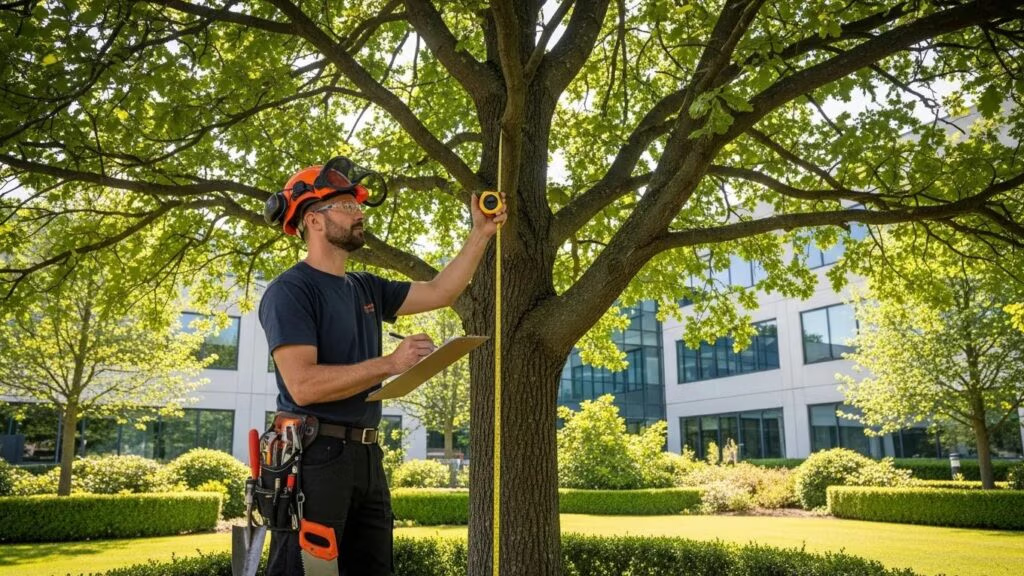
Commercial tree care and removal keep business properties safe, attractive, and compliant with local regulations and environmental standards. This article summarizes maintenance and removal workflows, safety and environmental best practices, and the value professional arborists bring. It also highlights commercial services available from Dunbar Tree Service in Waukesha and Milwaukee counties.
Routine maintenance preserves tree structure and longevity on commercial sites. Certified arborists identify early problems and provide targeted care. Typical services include:
Scheduled maintenance reduces emergency removals and helps keep sites safe and presentable.
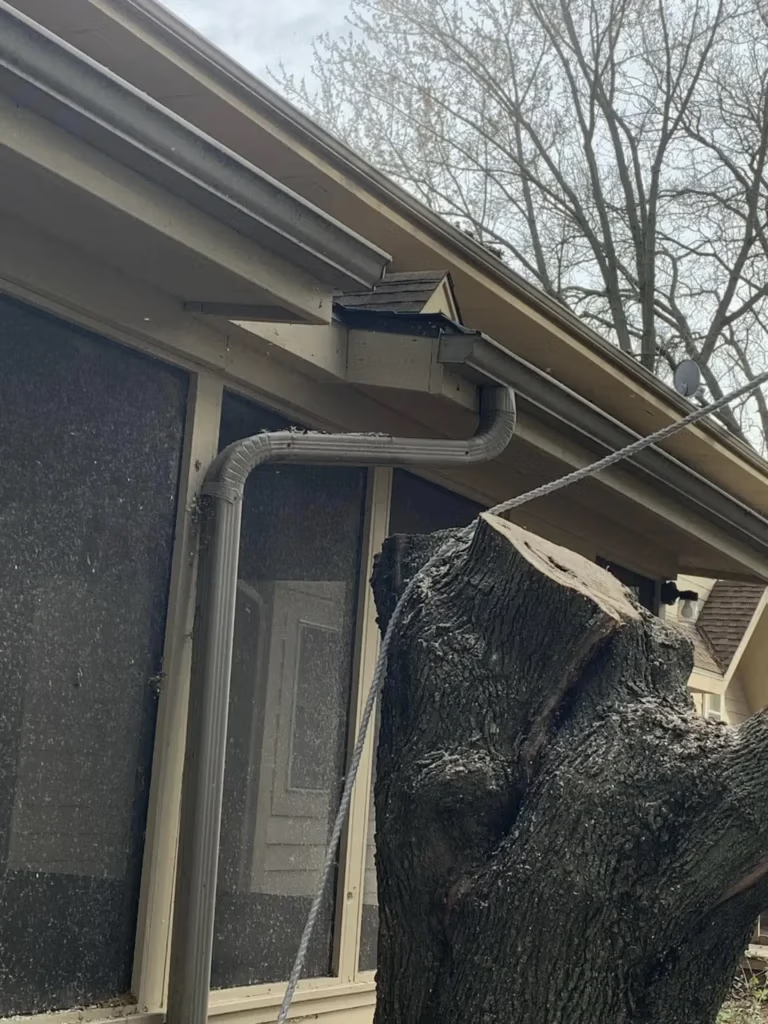
When trees are hazardous or beyond treatment, professional removal follows a clear workflow:
These steps help businesses plan removals with minimal disruption.
Safety underpins all commercial tree work. Typical controls include:
Following protocols protects workers, clients, and adjacent property.
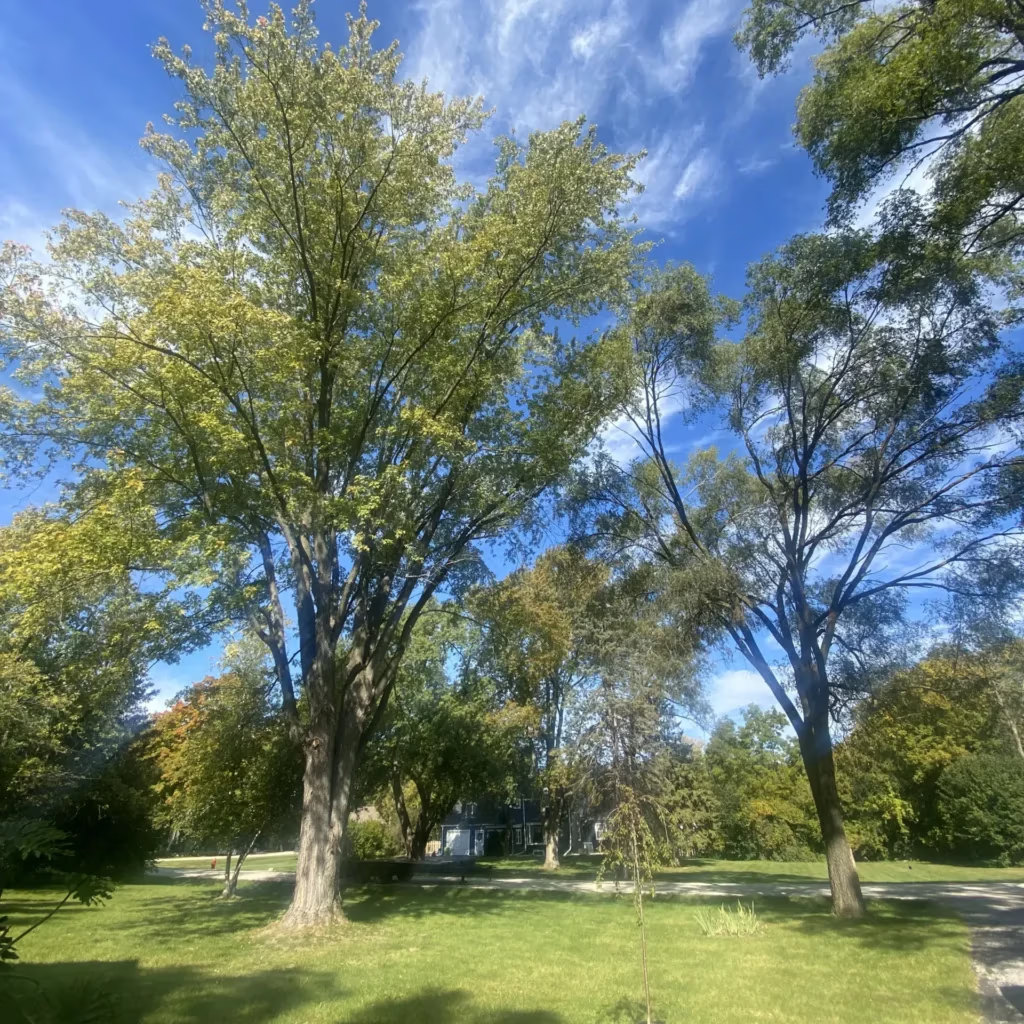
Sustainable tree care minimizes environmental impact and supports long-term urban canopy health. Key elements include:
Responsible practices help businesses support local ecosystems and public image.
Hiring certified arborists provides clear advantages for commercial properties:
Professional services reduce risk and provide documented, accountable work.
| Service | Benefit | Value |
|---|---|---|
| Regular Inspections | Early detection of issues | Prevents costly removals |
| Expert Pruning | Promotes healthy growth | Enhances aesthetic appeal |
| Pest Management | Protects tree health | Reduces risk of disease spread |
The table shows how targeted services maintain tree health and preserve property value.
Essential commercial removal services typically include:
These services keep sites safe and suitable for business operations.
Professional removal ensures safety and regulatory compliance by:
Responsible procedures ensure removals meet standards and reduce liability.
Some species are more likely to need removal when threatened by pests or structural problems. Common examples include:
Early detection enables proactive management and reduces emergency removals.
Regular maintenance supports value and safety by:
A scheduled maintenance program protects investment and reduces long-term costs.
Professional pruning typically includes:
Proper techniques preserve tree health and landscape quality.
ISA-certified arborists assess tree health using:
These assessments inform management decisions and safety planning.
Understanding assessment methods clarifies how inputs affect risk evaluations.
Analyzing Tree Risk Assessment Methods for Commercial Properties
Sixteen tree risk-assessment methods underwent sensitivity analysis to identify which input factors most affected each method’s output. The analyses demonstrate the relative influence that input variables exert on the final risk value.
How tree risk assessment methods work: Sensitivity analyses of sixteen methods reveal the value of quantification and the impact of inputs on risk ratings, 2020
Corporate lot clearing brings practical benefits, such as reduced hazards and compliance with zoning or safety requirements. Typical advantages include:
Lot clearing prepares properties for development or renovation when done responsibly.
Lot clearing generally follows these steps:
Following these steps supports safe, compliant development.
Lot clearing adheres to environmental and safety standards, including:
Adhering to standards ensures responsible clearing operations.
When selecting industrial tree care, evaluate:
These criteria help identify providers suited to commercial needs.
Look for providers that demonstrate:
Qualified credentials support consistent, high-quality service delivery.
Commercial contracts should clearly state scope, pricing, and terms. Common items include:
Clear contracts reduce misunderstandings and support procurement decisions.
Schedule work to match seasonal activity, species needs, and business operations. Use certified arborists to set frequency and minimize disruption.
Check local ordinances, engage arborists familiar with region-specific rules, and obtain permits before starting work.
Signs include extensive decay, persistent deadwood, a severe lean, root failure, or repeated storm damage. Have arborists evaluate such trees promptly.
Community programs and education build stewardship, support planting initiatives, and improve public understanding of tree health and pest control.
Track tree condition over time, monitor pest and disease trends, review arborist reports, and collect stakeholder feedback on landscape quality.
Costs depend on tree size, species, location, complexity, and add-ons like stump grinding, debris disposal, and permit fees. Obtain detailed quotes to compare scopes.
Long-term benefits include higher property value, improved site safety, longer tree lifespans, regulatory compliance, and stronger community relations.
Chris Dunbar is a certified arborist with decades of experience in commercial tree care and removal. His expertise ensures safe, effective, and environmentally responsible services. Learn more about Chris and Dunbar Tree Service on the About Us page.