★ ISA-Certified Arborists · Serving Waukesha & Milwaukee County
★ ISA-Certified Arborists · Serving Waukesha & Milwaukee County
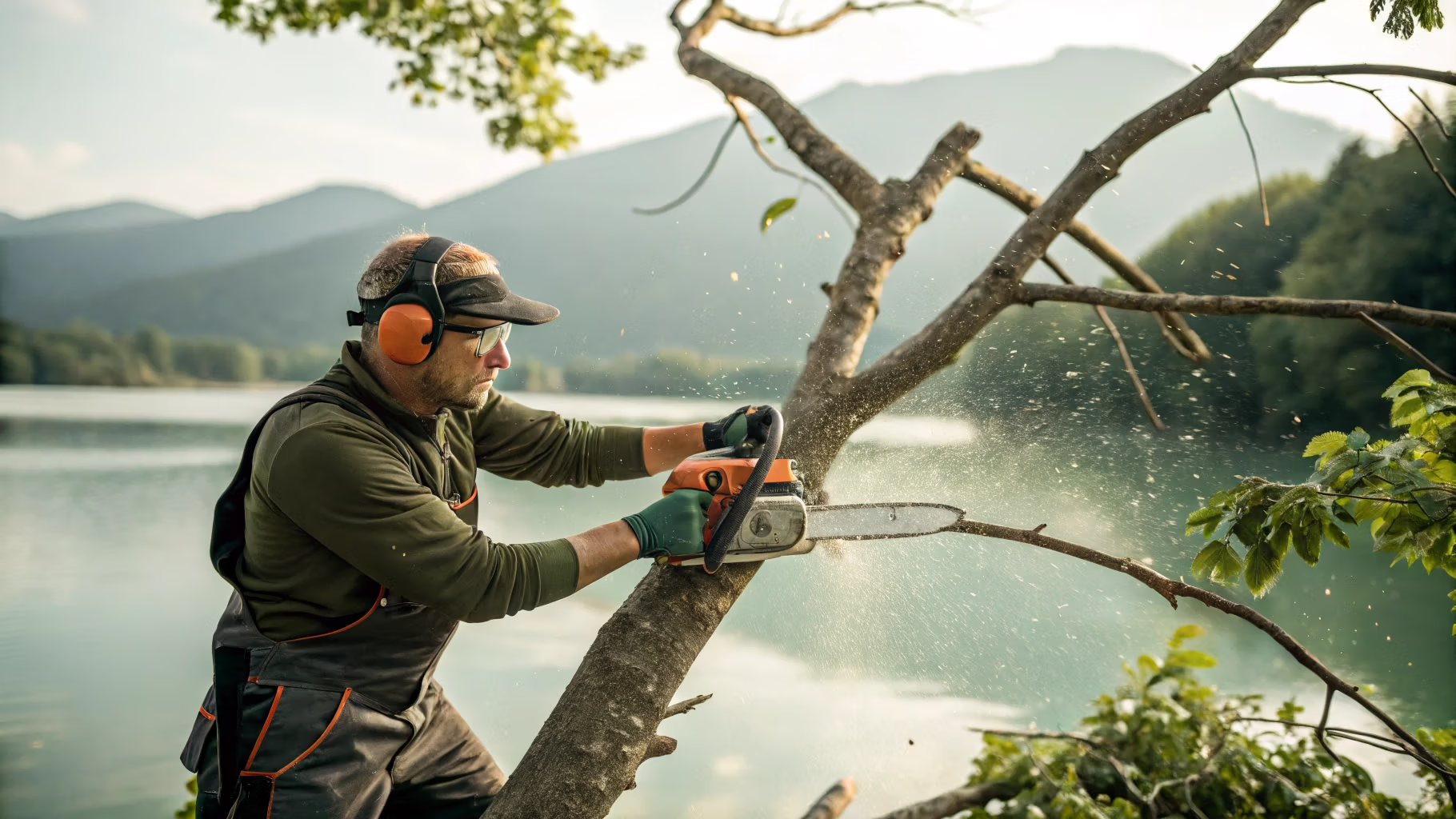
By Chris Dunbar, Dunbar Tree Service
Maintaining tree health and safety on commercial properties is essential for Pewaukee businesses. This article summarises the main commercial tree care services, the benefits of professional arboriculture, routine maintenance tasks, removal procedures, and HOA requirements in Pewaukee.
Consistent maintenance reduces risks and prolongs tree life on commercial sites. A focused programme includes scheduled inspections, pruning, and pest and disease management.
These core actions help preserve landscape appearance and protect people and property.
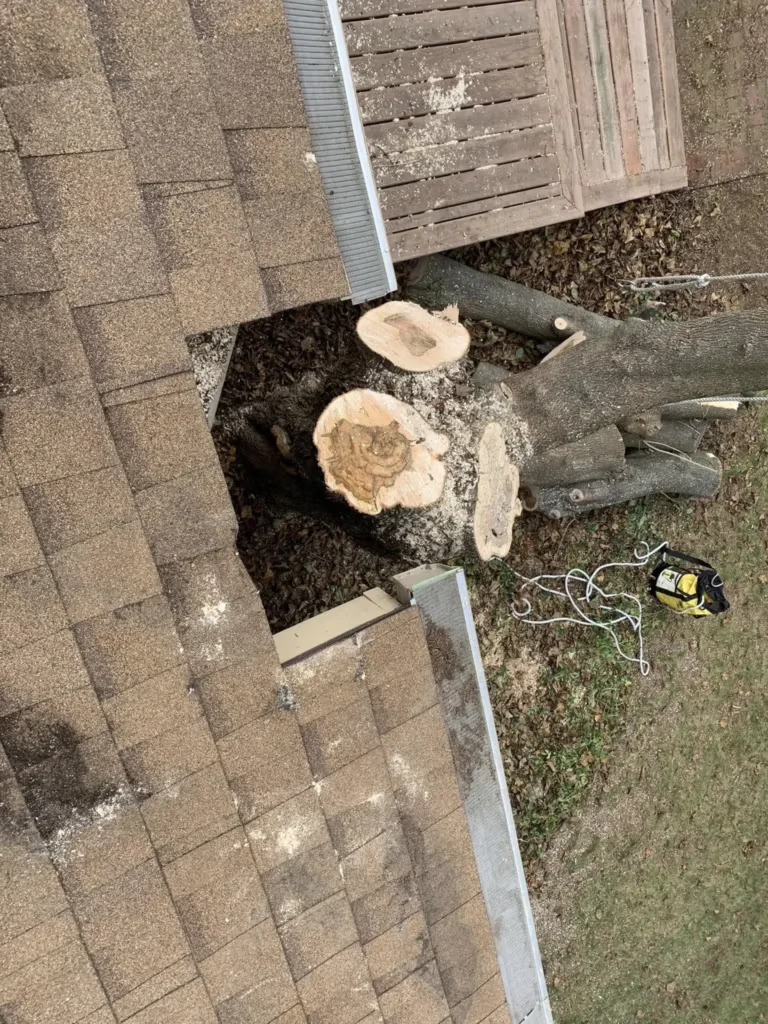
When trees are hazardous or beyond treatment, professional removal protects people and assets. A clear assessment guides a safe removal plan.
These services maintain a professional site appearance and reduce liability.
Professional tree care lowers branch-failure risk, improves visibility, and enhances curb appeal, which can support customer perception and property value.
Dunbar Tree Service provides commercial tree care in Pewaukee with a team of ISA Certified Arborists who follow industry standards for safe, sustainable practices.
Commercial sites typically need a combination of removal, stump grinding, pruning, inspections, and emergency response to manage risk and appearance.
These core services are organised to protect people, property, and the landscape aesthetic.
| Service | Description | Frequency |
|---|---|---|
| Tree Removal | Safe removal of dead or hazardous trees | As needed |
| Stump Grinding | Grinding down stumps to ground level | After tree removal |
| Emergency Tree Services | Immediate response to tree-related emergencies | As needed |
The table summarises essential commercial tree care services and when they are typically applied.
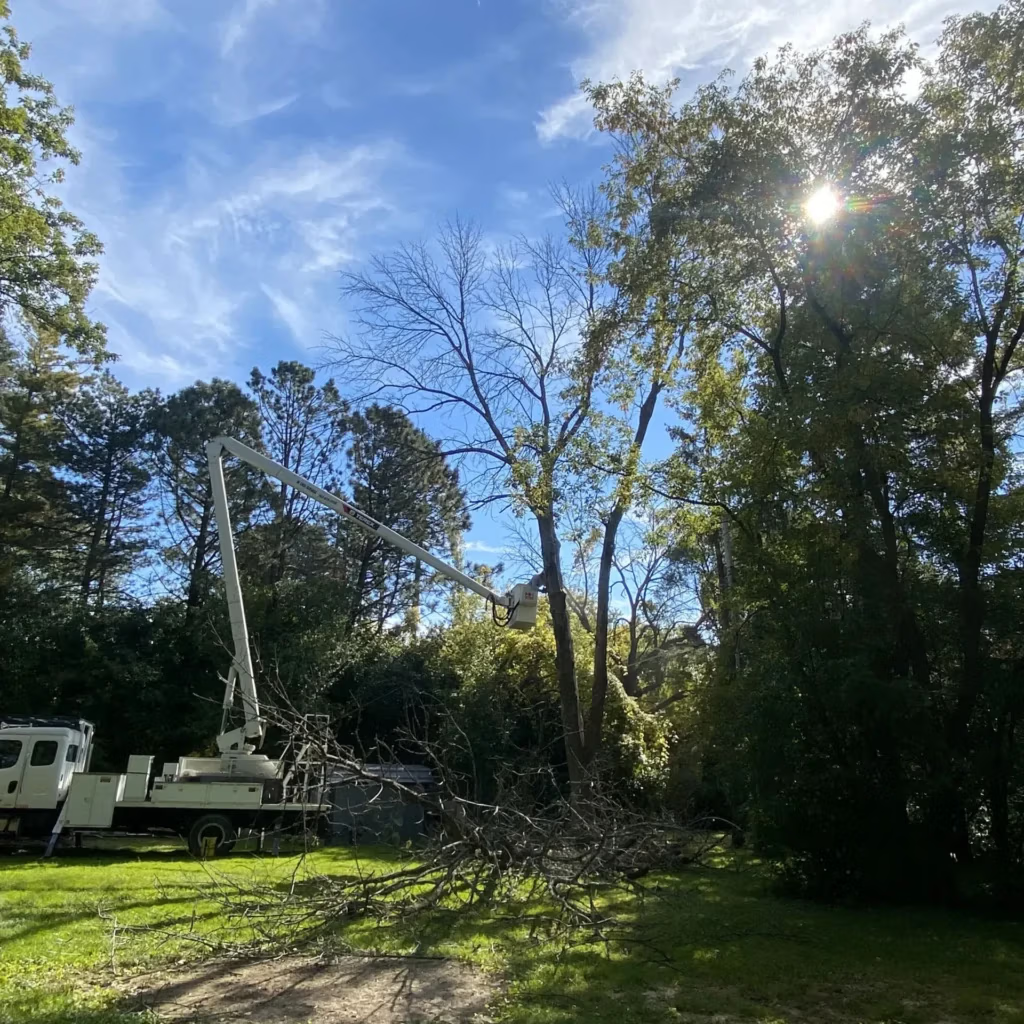
Pruning removes deadwood, reduces crown density, and corrects structure to lower the risk of branch failure while improving light and air movement.
Regular pruning also provides occasions for on-site condition checks and mitigation planning.
Frequent assessments allow early detection of pests, diseases, and structural defects and produce actionable recommendations for maintenance.
Consistent assessments reduce the chance of costly emergency interventions.
ISA certification demonstrates verified knowledge, field experience, and a commitment to continuing education—factors that support safe, competent tree care.
Research into credentialing underscores the role of professional qualifications in improving service quality and worker standards in commercial tree care.
Professional Arborist Certification for Commercial Tree Care
Professional credentialing refers to the process of obtaining a certification or license that validates an individual’s knowledge, skills, and abilities according to industry-accepted ethics and standards. The International Society of Arboriculture (ISA) confers and manages professional arborist certification as well as other arborist credentials. However, many communities, such as in the southern United States, have few if any credentialed commercial tree care professionals. This study explores the motivations and barriers commercial tree care workers place on professional arborist certification.
Motivations and barriers of professional certification for tree workers, JS Gordon, 2024
Certified arborists are trained for emergency response and safe mitigation, and they commonly use sustainable methods to limit environmental impact while preserving site health.
ISA certification requires specified field experience, passing a comprehensive exam, and ongoing continuing education to maintain competence.
These qualifications help ensure certified arborists can deliver safe, effective commercial tree care.
Certification promotes consistent risk assessment, adherence to safety standards, and use of industry best practices—assuring property managers of technical competence and compliance.
Commercial removals use a staged workflow: assessment and planning, specialised equipment for safe removal, and systematic cleanup and restoration.
Following this workflow minimises disruption and safety risks during removal operations.
Standard safety protocols include pre-job risk assessments, mandatory personal protective equipment, and compliance with local and industry regulations.
Strict protocol adherence reduces accident risk and ensures lawful operations.
Emergency removal is warranted when a tree poses an immediate threat to life or property, shows clear structural instability after damage, or is compromised by severe weather.
Prompt recognition and action limit exposure to risk and potential damage.
HOAs commonly set standards for canopy condition, hazard mitigation, and compliance with municipal codes to preserve community appearance and safety.
Adhering to these requirements helps HOAs reduce liability and preserve property values.
Routine maintenance and hazard reduction preserve property values and encourage resident involvement in landscape stewardship.
These programmes promote a cohesive, safe neighbourhood environment.
Compliance covers municipal codes, permits for removals or major work, and safety practices during operations; understanding these is essential for lawful tree management.
Following compliance steps enables HOAs to meet legal obligations and protect residents.
Verify experience, credentials, client references, and that the provider employs ISA Certified Arborists. Confirm service scope, emergency response capability, equipment, and clear written estimates.
Annual inspections are a baseline; increase frequency for mature, high-risk, pest-prone species or after severe weather to catch structural issues early.
Signs include progressive decay, large dead limbs, pronounced lean, severe storm or pest damage, and root intrusion; an arborist can assess removal necessity.
Yes. Most providers offer stump grinding, soil remediation, and replanting; arborists can recommend suitable replacement species and provide aftercare.
Costs depend on service type, tree size, condition, site complexity, and equipment. Removal ranges widely; routine pruning and inspections are less costly. Obtain multiple quotes to compare scope and value.
Maintain a response plan with identified hazards, local certified providers, clear access routes, and emergency contacts. Regular inspections and staff reporting procedures improve response times.
Chris Dunbar is the owner of Dunbar Tree Service and an ISA Certified Arborist with over 20 years of experience in professional tree care. He has dedicated his career to providing expert commercial tree maintenance and removal services in the Pewaukee area. Chris and his team follow industry best practices to ensure safe, sustainable, and effective tree care solutions.
Learn more about Chris Dunbar and Dunbar Tree Service on their About Us page.