★ ISA-Certified Arborists · Serving Waukesha & Milwaukee County
★ ISA-Certified Arborists · Serving Waukesha & Milwaukee County
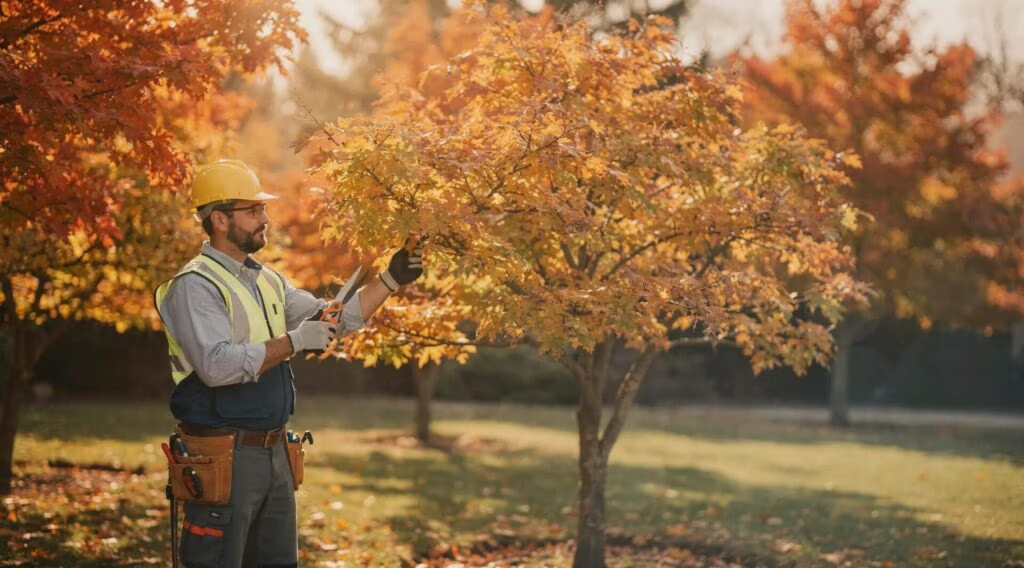
As the vibrant colors of autumn begin to paint the landscape, homeowners must turn their attention to fall tree maintenance and leaf care. This seasonal task is crucial for ensuring the health and longevity of trees, as well as maintaining the aesthetic appeal of yards. In this article, we will explore essential tips and best practices for tree care during the fall months, focusing on the importance of seasonal maintenance, effective leaf cleanup strategies, and how to prepare trees for the winter ahead. By understanding these practices, homeowners can prevent potential risks associated with neglecting tree care and enhance the resilience of their trees against harsh winter conditions.
Seasonal tree care is vital for maintaining the health of trees as they prepare for winter. During fall, trees undergo significant physiological changes, including the shedding of leaves and the slowing of growth. Proper care during this time helps to remove dead or diseased branches, allowing trees to conserve energy and resources. Additionally, mulching around the base of trees retains moisture and protects roots from freezing temperatures. By investing time in fall maintenance, homeowners can ensure their trees are better equipped to withstand the challenges of winter.
Fall tree maintenance plays a crucial role in promoting overall tree health and longevity. By addressing issues such as dead branches and pest infestations, homeowners can significantly improve the structural integrity of their trees. Regular maintenance encourages healthy growth patterns and reduces the likelihood of disease, which can compromise tree vitality. Furthermore, trees that receive proper care in the fall are more resilient to environmental stressors, leading to a longer lifespan and a more robust appearance.
Neglecting autumn tree care can lead to several risks that may jeopardize the health of trees and the safety of properties. Without proper maintenance, dead branches can fall, posing hazards to people and structures below. Additionally, trees that are not pruned may become structurally unstable, increasing the risk of damage during winter storms. Pest infestations can also proliferate in neglected trees, leading to further health issues. By prioritizing fall tree care, homeowners can mitigate these risks and protect their investments.
Effective leaf removal is essential for maintaining a healthy yard and preventing potential issues such as mold growth and pest infestations. Here are some best practices for leaf cleanup:
Implementing these practices can enhance the overall health of your landscape while making leaf cleanup more manageable.
Selecting the right leaf removal service is crucial for ensuring effective yard maintenance. Here are some key factors to consider when choosing a professional service:
By considering these factors, homeowners can make informed decisions when hiring leaf removal services.
Dunbar Tree Service is a professional tree care company serving Waukesha and Milwaukee counties in Wisconsin. Their expertise includes tree pruning, removal, and seasonal maintenance, directly aligning with fall tree maintenance and leaf care.
Tree pruning in the fall is essential for maintaining tree health and preparing for winter. The best time to prune is typically late fall, after the leaves have fallen but before the first frost. This timing allows for better visibility of the tree’s structure and any potential issues. Proper pruning techniques should be employed to avoid over-pruning, which can stress the tree. Homeowners should inspect trees for dead or damaged branches and remove them to promote healthy growth.
Industry experts recommend several techniques for effective tree pruning in autumn:
These techniques help ensure that trees remain healthy and resilient throughout the winter months.
Proper pruning is crucial for preventing winter tree damage. By removing weak or dead branches, homeowners can reduce the risk of breakage during heavy snow or ice storms. Additionally, well-pruned trees are less susceptible to wind damage, as they have a more balanced structure. This proactive approach not only protects the tree but also enhances its overall appearance and health.
Preparing trees for winter involves several key steps that can enhance their resilience against harsh conditions. Here are some effective tips for winter preparation:
These steps can significantly improve a tree’s chances of thriving through the winter months.
Winter tree preparation involves a series of important steps:
By following these steps, homeowners can ensure their trees are well-prepared for the winter season.
Winter preparation is particularly important in Wisconsin’s harsh climate. Proper care helps trees withstand freezing temperatures and heavy snowfall. By ensuring that trees are healthy and structurally sound, homeowners can reduce the risk of damage and promote recovery in the spring. This proactive approach not only protects the trees but also contributes to the overall beauty and health of the landscape.
Understanding the differences between residential and commercial leaf cleanup services can help homeowners make informed decisions. Key distinctions include:
By recognizing these differences, homeowners can choose the right service for their needs.
Hiring Dunbar Tree Service for commercial properties offers several advantages:
These benefits make Dunbar Tree Service a valuable partner for commercial property owners.
Homeowners should be vigilant about monitoring common tree diseases and pest issues during the fall. Key concerns include:
By staying informed and proactive, homeowners can protect their trees from potential threats.
Fall maintenance is essential for preventing tree diseases. By removing fallen leaves and debris, homeowners can reduce the risk of fungal growth and pest infestations. Additionally, proper pruning helps to improve air circulation, which is crucial for preventing disease spread. Regular inspections during the fall can also identify early signs of disease, allowing for timely intervention.
Integrated pest management (IPM) practices are vital for effective pest control in the fall. Recommended strategies include:
These IPM practices can significantly enhance tree health and resilience during the fall season.
Chris Dunbar, the owner of Dunbar Tree Service, is an ISA-certified arborist with over 20 years of experience in professional tree care. His expertise and dedication to sustainable and effective tree maintenance have made Dunbar Tree Service a trusted name in Waukesha and Milwaukee counties. To learn more about Chris and his team, visit their About Us page.