
Hazardous Tree Removal Services | Dunbar Tree Service
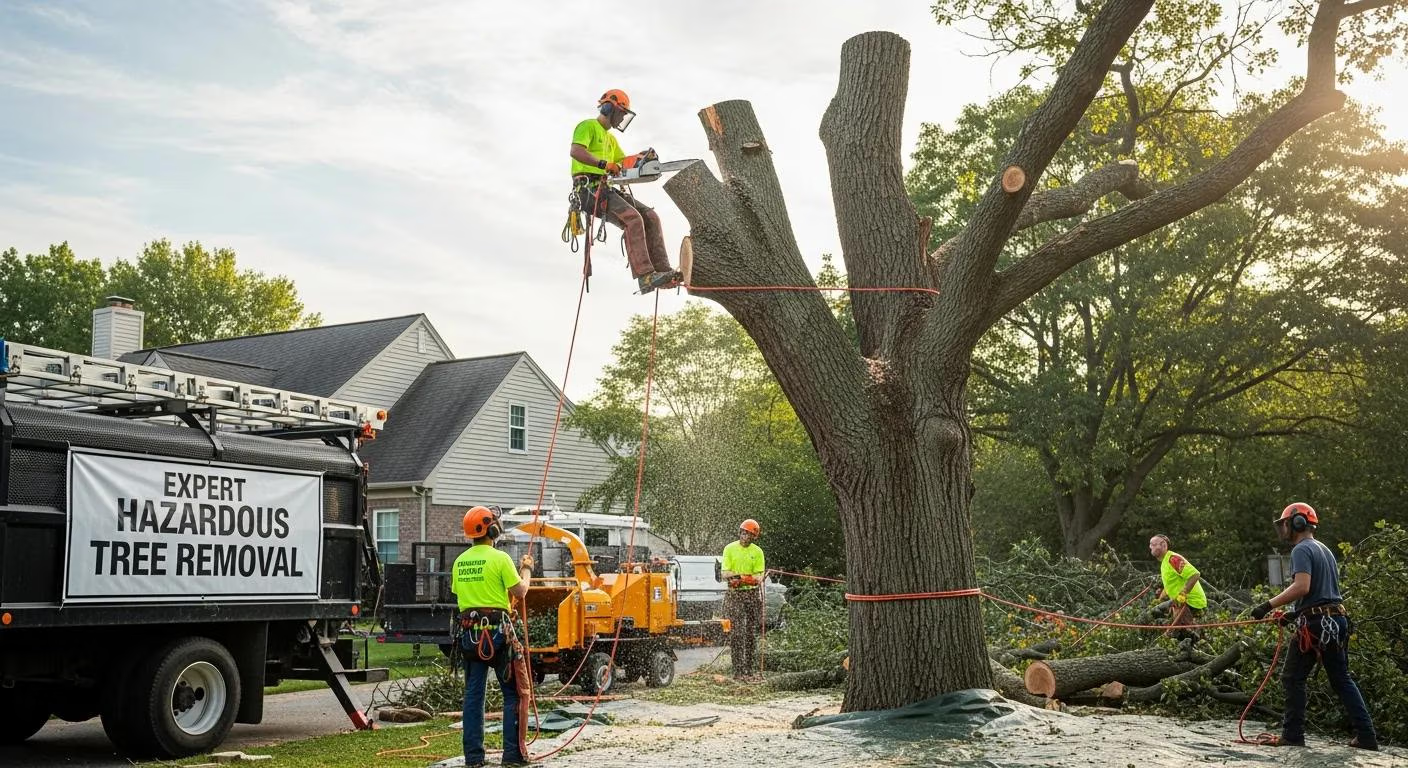
Comprehensive Hazardous Tree Removal Services by Dunbar Tree Service
Hazardous tree removal is a critical service that ensures safety in residential and commercial areas. Trees that pose risks due to disease, damage, or structural instability can lead to accidents and property damage. This article will explore the various aspects of hazardous tree removal, including identification techniques, safety standards, and the specific services offered by Dunbar Tree Service. Readers will learn how to recognize hazardous trees, understand the removal process, and discover why choosing a professional service is essential for safety and compliance. We will also delve into the local regulations and permit requirements in Waukesha and Milwaukee counties, ensuring that you are well-informed about the necessary steps for safe tree removal.
How to Identify Hazardous Trees: Professional Tree Hazard Assessment Techniques
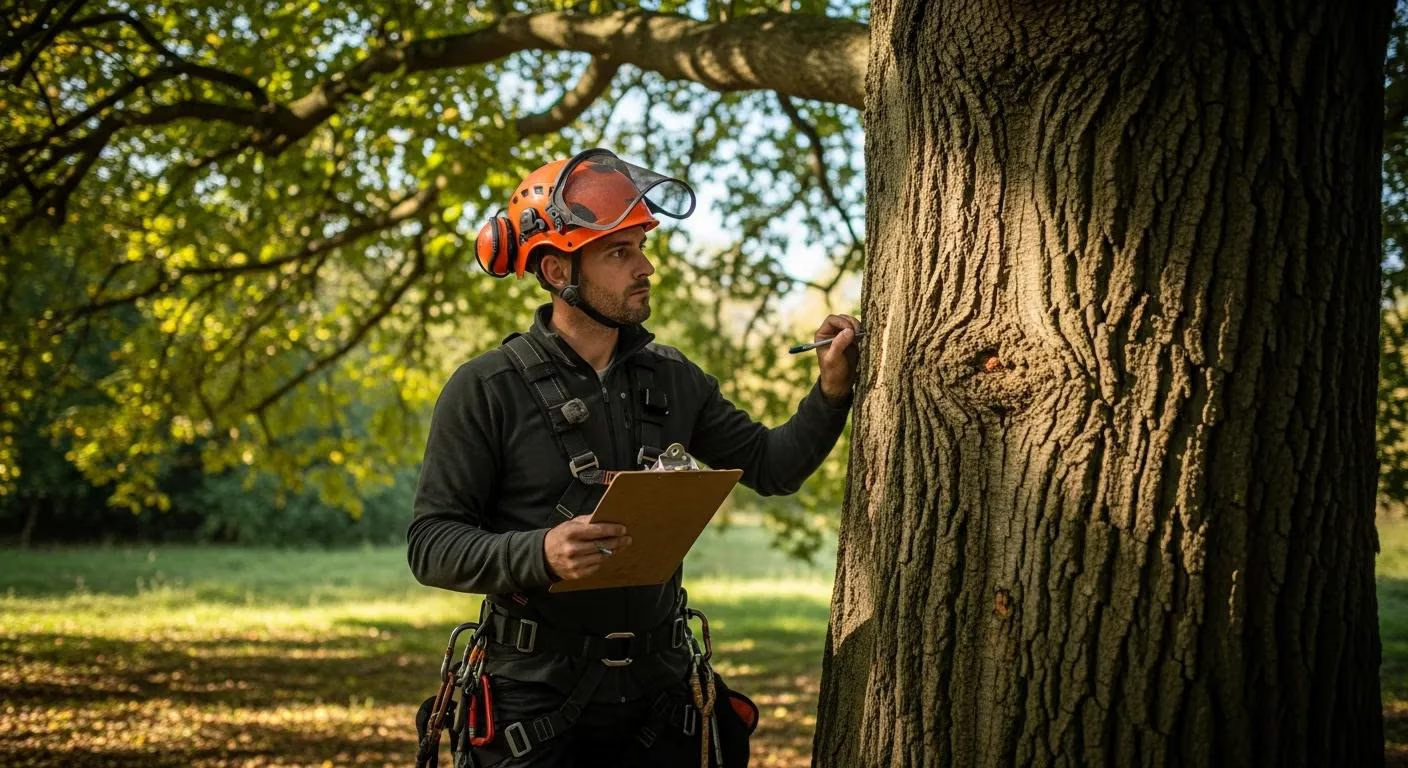
Identifying hazardous trees involves a systematic assessment of their health and structural integrity. Professionals utilize various techniques to evaluate trees, ensuring that potential risks are addressed promptly. Key assessment methods include:
Indeed, the foundation of effective hazardous tree management lies in comprehensive professional risk assessment methodologies.
Professional Tree Risk Assessment Methods
Experienced arborists can aid in this decision process by conducting a professional risk assessment that specifies the likelihood of whole or partial tree failure, the consequences of such a failure, and the potential targets affected. A variety of risk assessment methods have been developed to guide professionals through the tree inspection process. In North America, three risk assessment methods have gained the greatest acceptance among tree care professionals, municipal urban forestry programs, and government agencies.
Tree risk assessment methods: A comparison of three common evaluation forms: ENH1226/EP487, 11/2013, AK Koeser, 2013
- Visual Inspection: Arborists conduct thorough visual inspections to identify visible signs of damage, disease, or decay.
- Documentation: Findings are documented to track the condition of the tree over time, which aids in decision-making for removal or treatment.
- Professional Tools: Specialized tools, such as resistographs and sonic tomographs, are used to assess internal decay and structural soundness.
These techniques are crucial for determining whether a tree poses a risk to its surroundings. Understanding these assessment methods can help property owners make informed decisions about tree care and removal.
Further research highlights the effectiveness of advanced tools in detecting internal tree decay, reinforcing the importance of professional assessment.
Advanced Tomography for Tree Decay Detection
This paper reports application of electric, ultrasonic, and georadar tomography for detection of decay in trees and their comparison with the traditional penetrometer. Their feasibility in arboriculture is also evaluated, critically considering some “open problems.” The experiments were carried out in an urban environment on two plane(Platanus hybridaBrot.) trees. Both trees, after felling, showed extensive white rot in the central cylinder. The electric tomography revealed low resistivity zones roughly centered in the trunk. A comparison with the successively cut sections showed a fine correspondence to decayed areas and a strong correspondence between high moisture zones and low resistivity zones. Ultrasonic tomography demonstrated to be a very effective tool for the detection of internal decay, accurately locating the position of the anomalies and estimating their size, shape, and characteristic in terms of mechanical properties.
Application
and comparison of three tomographic techniques for detection of decay in trees, LV Socco, 2003
What Are the Common Signs of Tree Hazards?
Recognizing the signs of tree hazards is essential for maintaining safety in your environment. Common indicators include:
- Visible Damage and Cracks: Large cracks or splits in the trunk or branches can indicate structural weakness.
- Leaning Trees: Trees that lean significantly may be at risk of falling, especially during storms or high winds.
- Signs of Disease or Pest Infestation: Fungal growth, discolored leaves, or insect activity can signal that a tree is unhealthy and may need removal.
By being aware of these signs, property owners can take proactive measures to mitigate risks associated with hazardous trees. Dunbar Tree Service specializes in identifying these hazards and providing effective solutions.
Which Tree Species Are Most Prone to Hazards in Waukesha and Milwaukee Counties?
Certain tree species are more susceptible to hazards due to their biological characteristics and environmental conditions. In Waukesha and Milwaukee counties, the following species are commonly prone to hazards:
- Oak Trees: Vulnerable to oak wilt, a disease that can rapidly kill trees.
- Maple Trees: Often face leaf spot diseases that weaken their structure.
- Ash Trees: Affected by the emerald ash borer, leading to significant decline and potential hazards.
Understanding the vulnerabilities of these species can help property owners take preventive measures and seek professional assessments when necessary.
What Are the Safety Standards and Protocols in Hazardous Tree Removal?
Safety is paramount in hazardous tree removal, and adherence to established standards is crucial. Professionals follow specific protocols to ensure safe practices, including:
- ISA-Certified Arborists: Employing certified arborists ensures that trained professionals handle tree removal, minimizing risks.
- Proper Tools and Equipment: Using appropriate equipment, such as chainsaws and aerial lifts, is essential for safe operations.
- Compliance with OSHA Standards: Following Occupational Safety and Health Administration (OSHA) guidelines protects workers and the public during tree removal activities.
Dunbar Tree Service is committed to maintaining these safety standards, ensuring that every removal project is executed with the highest level of care.
How Does Dunbar Tree Service Comply with ANSI A300 Tree Care Standards?
Dunbar Tree Service adheres to the ANSI A300 Tree Care Standards, which outline best practices for tree care and removal. Compliance involves:
- Adhering to Pruning Practices: Following guidelines for proper pruning techniques to maintain tree health and safety.
- Conducting Thorough Risk Assessments: Evaluating each tree’s condition before removal to determine the safest approach.
- Using Professional-Grade Equipment: Ensuring that all tools meet industry standards for safety and efficiency.
This commitment to compliance not only enhances safety but also promotes the long-term health of the surrounding ecosystem.
What Equipment and Safety Measures Are Used During Tree Cutting?
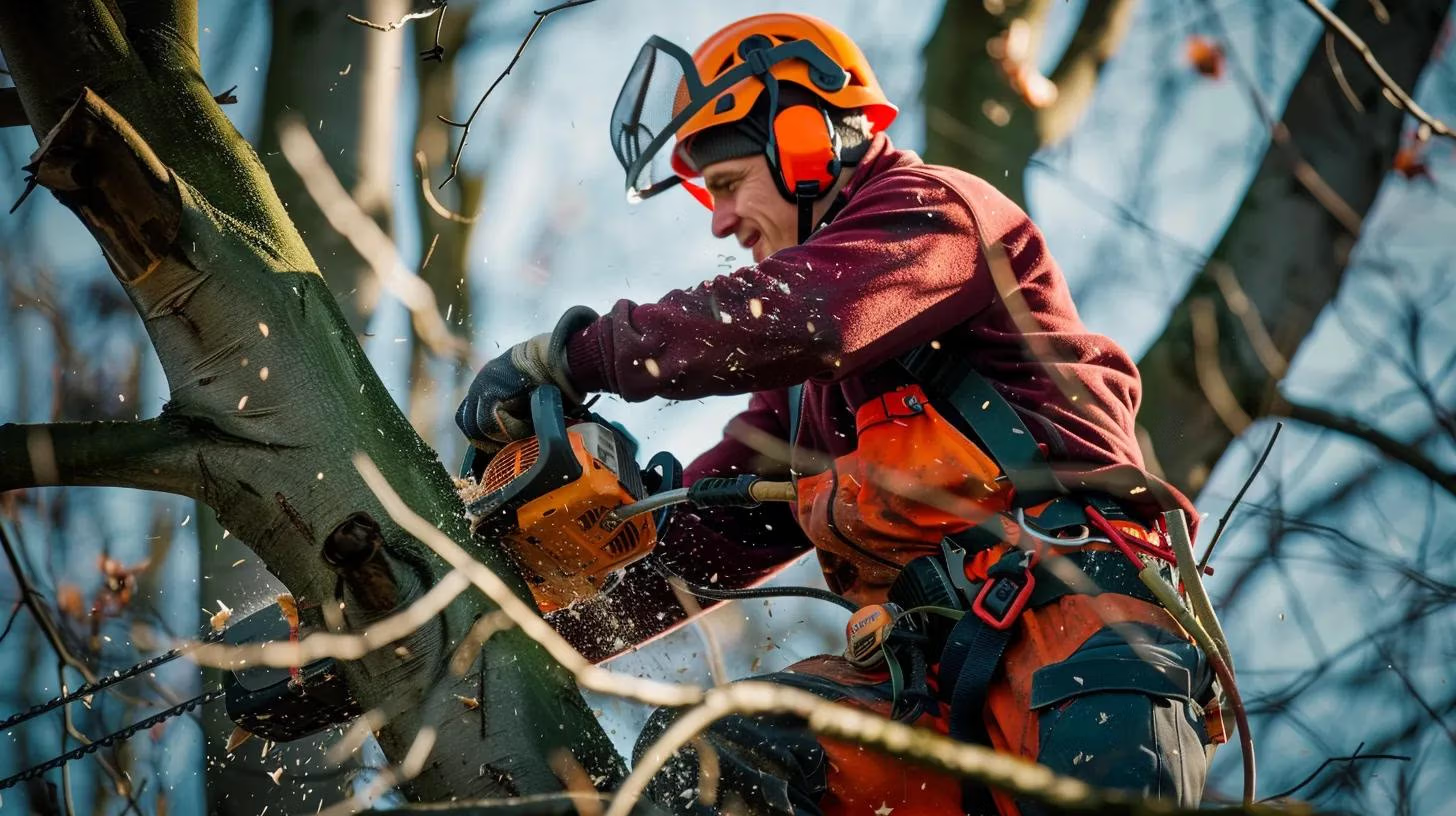
The equipment and safety measures employed during tree cutting are vital for ensuring a safe and efficient removal process. Key equipment includes:
- Aerial Lifts: Used to access high branches safely, reducing the risk of falls.
- Chainsaws: Essential for cutting through thick branches and trunks, requiring skilled operation.
- Safety Harnesses and Gear: Arborists wear protective gear to prevent injuries during the removal process.
Dunbar Tree Service prioritizes the use of advanced equipment and safety measures to protect both workers and property during tree removal.
What Is the Step-by-Step Process for Professional Dead Tree Removal?
The process for professional dead tree removal involves several critical steps to ensure safety and efficiency:
- Initial Assessment of the Tree: Arborists evaluate the tree’s condition and surrounding environment to plan the removal.
- Obtaining Necessary Permits: Ensuring compliance with local regulations by securing any required permits before proceeding.
- Safety Measures and Equipment Setup: Preparing the site with appropriate safety measures and equipment to facilitate a safe removal.
This structured approach minimizes risks and ensures that the removal is conducted professionally and safely.
How Is a Hazardous Tree Removal Project Planned and Executed?
Planning and executing a hazardous tree removal project requires careful consideration of various factors:
- Initial Assessment and Risk Evaluation: A thorough evaluation of the tree’s condition and potential hazards is conducted.
- Reviewing Local Regulations: Understanding local laws and regulations regarding tree removal is essential for compliance.
- Identifying Qualified Professionals: Engaging experienced arborists ensures that the project is handled safely and effectively.
Dunbar Tree Service excels in project planning, ensuring that every aspect of the removal process is meticulously addressed.
What Are the Emergency Tree Removal Services and Typical Response Times?
Emergency tree removal services are crucial for addressing immediate hazards caused by fallen or damaged trees. Key features include:
- 24/7 Emergency Services: Dunbar Tree Service offers round-the-clock assistance for urgent tree removal needs.
- Rapid Response to Urgent Requests: Trained crews are dispatched quickly to assess and address emergency situations.
- Trained Crews for Safe Handling: Experienced professionals ensure that emergency removals are conducted safely and efficiently.
This commitment to emergency services underscores the importance of safety and responsiveness in hazardous situations.
What Are the Local Permit and Insurance Requirements for Tree Removal in Wisconsin?
Understanding local permit and insurance requirements is essential for compliant tree removal. In Wisconsin, these requirements can vary by municipality and typically include:
- Permit Requirements Vary by Municipality: Different areas may have specific regulations regarding tree removal, necessitating local permits.
- Insurance Coverage for Tree Removal: Tree removal companies must maintain adequate insurance to protect against potential liabilities.
- Homeowner’s Insurance Considerations: Homeowners should verify their insurance coverage for tree removal services to avoid unexpected costs.
Being informed about these requirements helps ensure a smooth and compliant tree removal process.
When Is a Permit Required for Hazardous Tree Removal in Milwaukee County?
In Milwaukee County, permits are required for hazardous tree removal under specific conditions:
- Specific Conditions for Permit Requirements: Trees that pose immediate risks to safety or property typically require a permit for removal.
- Local Authority Regulations: Homeowners must consult local authorities to understand the specific regulations governing tree removal.
- Impact on Tree Removal Process: Obtaining the necessary permits can affect the timeline and approach to tree removal.
Understanding these permit requirements is crucial for homeowners planning to remove hazardous trees.
How Does Dunbar Tree Service Ensure Insurance and Liability Compliance?
Dunbar Tree Service takes insurance and liability compliance seriously, ensuring that all operations are conducted within legal and safety frameworks. Key practices include:
- Maintaining Licensed and Insured Crews: All personnel are fully licensed and insured, providing peace of mind to clients.
- Assisting Clients with Insurance Claims: The company offers support to clients navigating insurance claims related to tree removal.
- Providing Necessary Documentation: Dunbar Tree Service supplies all required documentation to clients for their records and compliance.
This commitment to compliance not only protects the company but also ensures that clients are safeguarded throughout the removal process.
Why Choose Dunbar Tree Service for Hazardous Tree Removal in Waukesha and Milwaukee Counties?
Choosing the right service for hazardous tree removal is essential for safety and efficiency. Dunbar Tree Service stands out for several reasons:
- Expertise of ISA Certified Arborists: Our team consists of certified professionals with extensive training in tree care and removal.
- Comprehensive Services Offered: We provide a full range of tree care services, including assessments, removals, and emergency services.
- Positive Customer Testimonials: Our commitment to quality service is reflected in the positive feedback from satisfied clients.
These factors make Dunbar Tree Service a trusted choice for hazardous tree removal in the region.
What Certifications and Experience Does Dunbar Tree Service Hold?
Dunbar Tree Service is proud to hold several certifications and extensive experience in the field of tree care:
- ISA Certified Arborist with Over 20 Years of Experience: Our lead arborist brings two decades of expertise in tree care and management.
- Specialization in Residential and Commercial Tree Services: We cater to both residential and commercial clients, ensuring tailored solutions for every need.
- Certification for Pesticide Application: Our team is certified to apply pesticides safely and effectively, enhancing tree health and safety.
This combination of experience and certification underscores our commitment to providing high-quality tree care services.
What Do Customer Testimonials and Case Studies Reveal About Service Quality?
Customer feedback and case studies provide valuable insights into the quality of services offered by Dunbar Tree Service. Key observations include:
- Professionalism and Effectiveness: Clients consistently praise our team’s professionalism and the effectiveness of our services.
- Thoroughness of Services: Our comprehensive approach to tree care ensures that all aspects are addressed, from assessment to removal.
- Positive Feedback on Response Times: Clients appreciate our prompt response to inquiries and emergency situations, highlighting our commitment to customer service.
These testimonials reflect our dedication to excellence in hazardous tree removal and tree care services.
For any questions or to schedule a consultation, you can contact us.