★ ISA-Certified Arborists · Serving Waukesha & Milwaukee County
★ ISA-Certified Arborists · Serving Waukesha & Milwaukee County
By Chris Dunbar, owner of Dunbar Tree Service
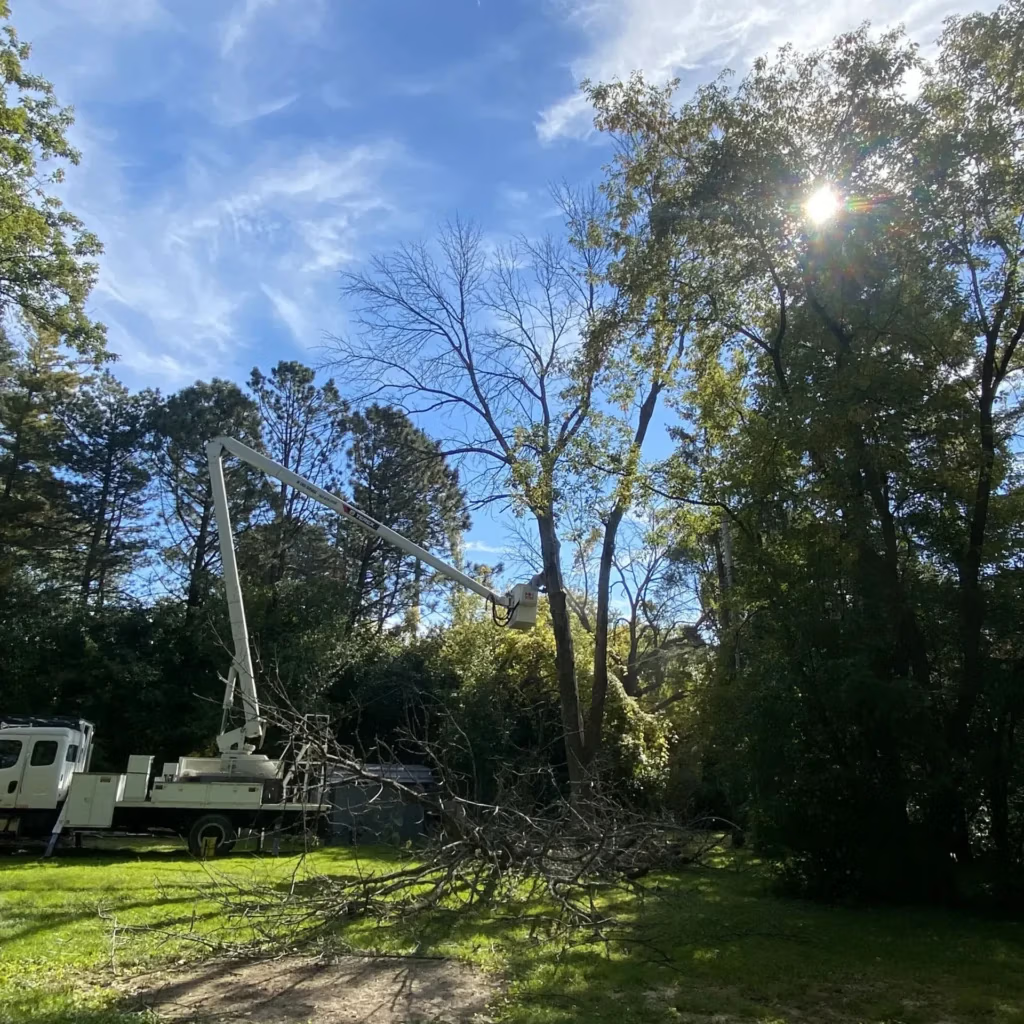
Professional tree removal in Southeast Wisconsin (including Waukesha and Milwaukee counties) addresses diseased, storm-damaged, or structurally compromised trees. This article summarizes solutions, typical cost drivers, and how certified professionals—such as Dunbar Tree Service—apply regulated, safe procedures and complementary services to protect people and property.
Services are tailored to site conditions and risk. Professionals combine assessment, permits (when needed), and the correct equipment to perform removals safely and efficiently.
Proper planning reduces damage and speeds cleanup.
Expect wide price ranges: factors such as size, location, and job complexity drive labor and equipment needs. Obtain site-specific estimates.
Primary cost drivers in Waukesha include tree size and health, accessibility, and any permit or municipal requirements.
| Service Type | Cost Range | Description |
|---|---|---|
| Standard Tree Removal | $300 – $1,500 | Removal of healthy trees of average size. |
| Emergency Tree Removal | $500 – $2,000 | Urgent removal of trees posing immediate hazards. |
| Stump Grinding | $75 – $300 | Grinding down tree stumps to ground level. |
Use the table as a rough guide; ask a certified contractor for a written, itemized estimate for your specific site.
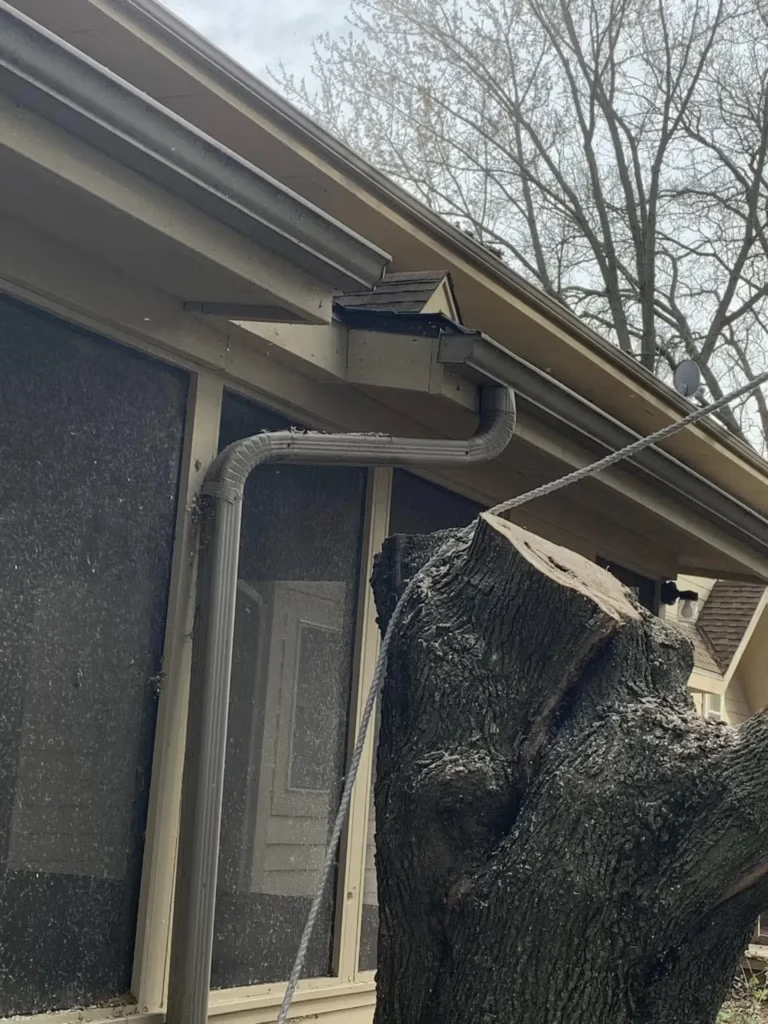
Costs rise with tree height and diameter, proximity to structures or utilities, and the tree’s condition; hazardous or diseased trees often require extra precautions and time.
Large trees need more labor, crew coordination, and heavier equipment. Trees near homes, power lines, or tight landscaping require careful rigging and slower, staged removal to avoid damage.
Dunbar provides free on-site estimates, clear cost breakdowns (labor, equipment, disposal, permits), and communicates any additional charges up front to avoid surprises.
Dunbar emphasizes certified expertise and risk-based planning.
Standard protocols include PPE, site preparation, exclusion zones, and emergency response planning to protect crew and bystanders.
These measures reduce injuries and property damage.
ISA certification signals training in tree biology, hazard assessment, and best-practice removal techniques, helping ensure work is appropriate for tree health and local codes.
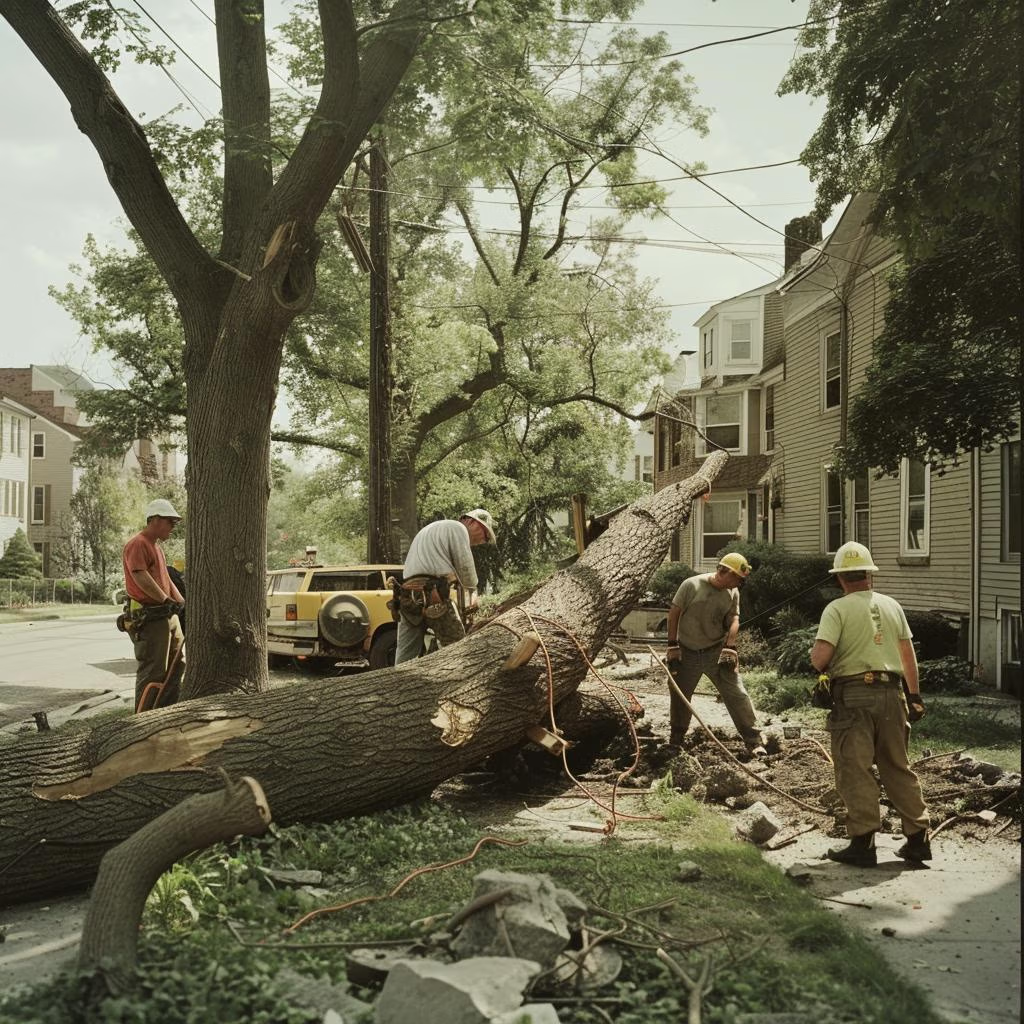
Emergency removal is needed when trees threaten life, property, or critical infrastructure—typically after storms, when trees are severely infested, or when they present an immediate collapse risk.
Removing hazardous trees can improve utility reliability and public safety by preventing outages and damage.
Preventing Outages: Hazardous Tree Removal for Utility Reliability
Results indicate that tree failures accounted for 40% of the preventable tree-caused outages in the Brockton territory of Eastern Utilities. Although line-clearance trimming remained the primary strategy, programmatic changes were made in Eastern Utilities’ Tree Management Program. A Danger Tree Project was initiated to identify and mitigate trees with structural weaknesses along the three-phase portions of the electrical distribution circuits. Approximately 4% of the trees in the portion of the urban forest managed by Eastern Utilities were scheduled for removal or stormproof pruning. Reliability improved by 20% to 30% on circuits where hazardous trees were removed or stormproof pruning was performed.
Tree-caused electric outages, 1996
Prompt assessment and response help protect people and property.
Removal is often paired with services that restore safety and prepare the site for reuse.
Combining services yields safer, healthier landscapes.
Stump grinders chip the stump below grade into mulch, removing tripping hazards and enabling new plantings or lawn restoration.
Grinding is the preferred method for quick, effective stump removal.
Licensed arborists offer preventive and corrective care to sustain tree health and reduce future removal needs.
Routine arborist care extends tree life and reduces emergency interventions.
Check credentials, insurance, ISA certification, references, and request a detailed written estimate that lists labor, equipment, disposal, and any permit costs.
Clear the work area of vehicles and valuables, notify neighbors if work affects shared spaces, and keep pets and children away during operations.
Wood can be cut for firewood, chipped into mulch, left on-site, or hauled away—confirm your preference with the contractor.
Consider habitat, nesting seasons, and air quality benefits; professionals can recommend timing or alternatives like pruning where appropriate.
Schedule health assessments, maintain soil and fertilization plans, prune appropriately, and monitor for pests and disease.
Removal is likely when a tree shows major structural cracks or lean, large dead limbs, visible decay (fungal growth), severe infestation, or root damage threatening foundations. Consult a certified arborist for an evaluation.
Chris Dunbar is the owner of Dunbar Tree Service and an ISA Certified Arborist with over 20 years of experience in professional tree care and removal. His expertise in arboriculture and commitment to safety ensure high-quality, compliant services for clients throughout Southeast Wisconsin. Learn more about Chris and the Dunbar Tree Service team at their About Us page.