
Tree Health Diagnostics & Assessment for Property Owners
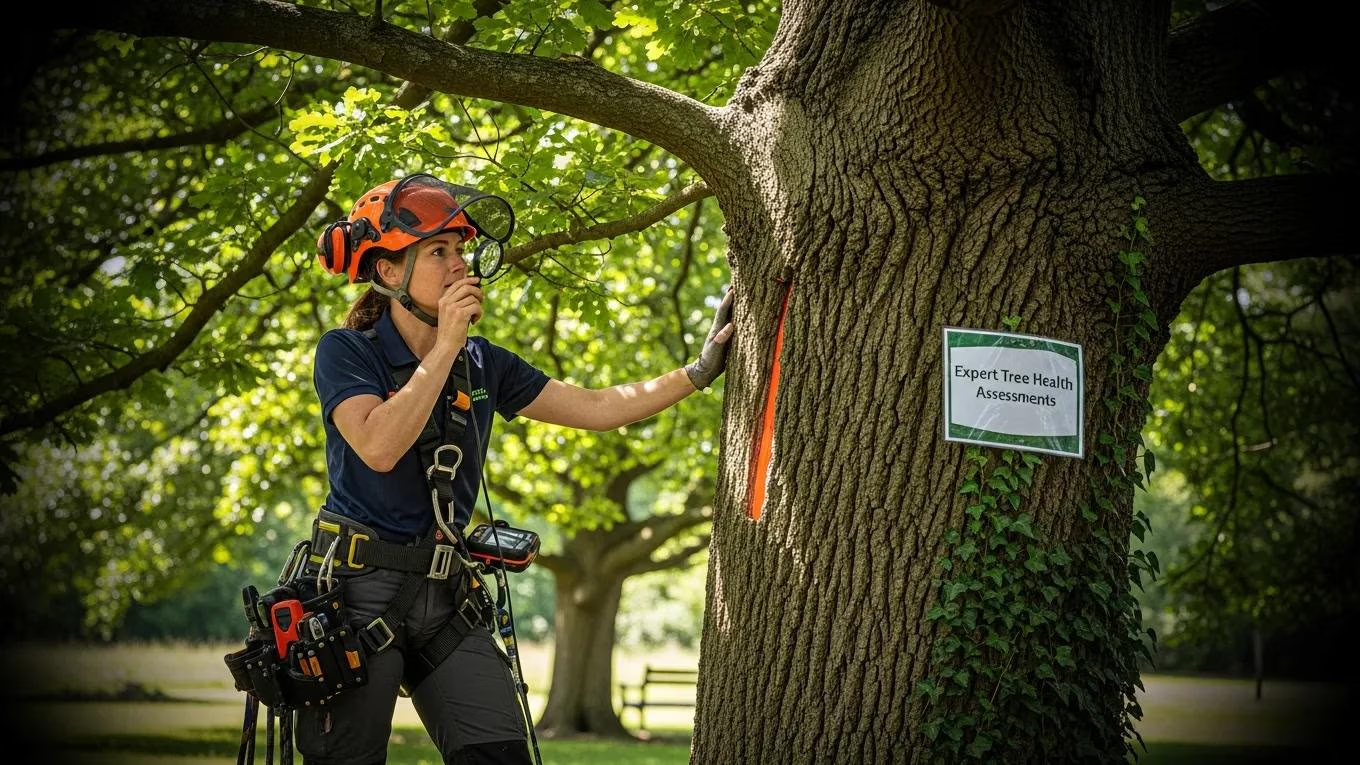
Comprehensive Tree Health Diagnostics and Arborist Inspection Services for Property Owners
Tree health diagnostics is a critical process that helps property owners maintain the vitality and safety of their trees. By understanding the health of their trees, homeowners can prevent potential hazards, enhance the aesthetic appeal of their property, and ensure the longevity of their landscape. This article delves into the importance of tree health diagnostics, the methods used by arborists to evaluate tree health, and the benefits of professional evaluations. Additionally, we will explore how common tree diseases are identified, the symptoms of tree disease and pest infestation, and the recommended treatment and prevention strategies.
What Is Tree Health Diagnostics and Why Is It Essential for Property Owners?
Tree health diagnostics involves assessing the condition of trees to identify any potential issues that may affect their growth and stability. This process is essential for property owners as it allows for early detection of problems, which can prevent costly damage and ensure the safety of the surrounding environment. By understanding the health of their trees, property owners can make informed decisions about maintenance and care.
Indeed, the critical role of tree inspection in maintaining health, stability, and safety is widely recognized in arboriculture and urban forestry.
Essential Tree Inspection: Health, Safety & Diagnostic Techniques
Tree inspection is a critical practice in arboriculture and urban forestry, aimed at assessing the health, stability, and safety of trees. This process involves a combination of visual assessments and advanced diagnostic techniques to identify potential hazards and ensure the longevity and safety of trees in various environments, including urban areas, parks, and forests. The importance of tree inspection has been underscored by numerous high-profile cases where tree failures have led to significant property damage, injuries, or fatalities, highlighting the need for standardised inspection methodologies and trained professionals (1).
What is Tree Inspection?
Dunbar Tree Service specializes in providing comprehensive tree health diagnostics, ensuring that property owners receive expert evaluations and recommendations tailored to their specific needs. This proactive approach not only enhances the beauty of the landscape but also protects the investment in property.
How Do Arborist Inspections Evaluate Tree Health?
Arborist inspections are conducted using a variety of methods to evaluate tree health effectively. These methods include:
- Visual Inspection Techniques: Arborists perform thorough visual assessments to identify visible signs of distress, such as leaf discoloration, trunk damage, and overall tree structure.
- Root Structure Assessment: Evaluating the root system is crucial, as it supports the tree’s stability and nutrient uptake. Arborists may use tools to examine root health and soil conditions.
- Disease and Pest Identification Methods: Arborists are trained to recognize symptoms of tree diseases and pest infestations, allowing for timely intervention.
These inspection techniques provide a comprehensive understanding of a tree’s health, enabling arborists to recommend appropriate care strategies.
What Are the Key Benefits of Professional Tree Health Evaluation?
Professional tree health evaluations offer several key benefits that contribute to the overall well-being of trees and the safety of property owners. These benefits include:
- Early Detection of Issues: Regular evaluations help identify potential problems before they escalate, allowing for timely intervention.
- Expert Recommendations: Arborists provide tailored advice on tree care, including pruning, fertilization, and pest management.
- Long-Term Tree Health: By addressing issues early and following expert recommendations, property owners can ensure the longevity and vitality of their trees.
The following table summarizes the benefits of professional tree health evaluations:
These benefits highlight the importance of engaging professional services for tree health diagnostics.
How Are Common Tree Diseases Identified and Diagnosed?
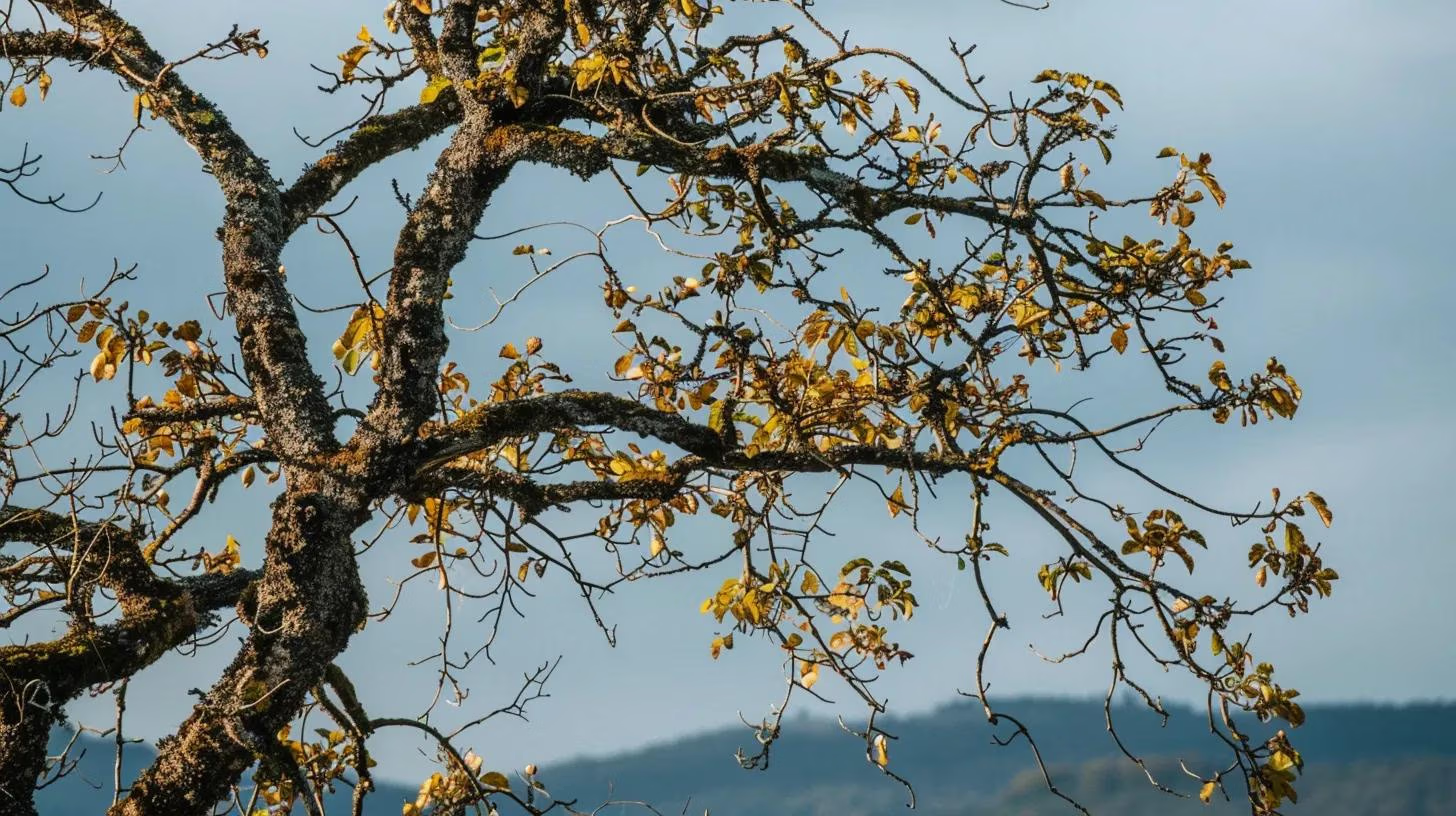
Identifying and diagnosing common tree diseases involves a systematic approach that includes visual inspections and environmental assessments. Arborists look for specific symptoms that may indicate disease, such as:
- Leaf Discoloration: Changes in leaf color can signal various issues, including nutrient deficiencies or disease.
- Trunk Issues: Cracks, cankers, or unusual growths on the trunk may indicate underlying problems.
- Branch Symptoms: Wilting or dieback in branches can be a sign of disease or pest infestation.
By recognizing these symptoms, arborists can diagnose the condition of the tree and recommend appropriate treatment options.
Which Symptoms Indicate Tree Disease and Pest Infestation?
Property owners should be aware of several symptoms that may indicate tree disease or pest infestation. These include:
- Trunk Issues: Look for cracks, cankers, or unusual growths on the trunk.
- Branch Symptoms: Wilting, dieback, or unusual growth patterns in branches can signal problems.
- Leaf Abnormalities: Discoloration, spots, or premature leaf drop may indicate disease or pest issues.
Recognizing these symptoms early can lead to timely intervention and treatment.
What Diagnostic Methods Do Arborists Use for Accurate Disease Identification?
Arborists employ various diagnostic methods to accurately identify tree diseases. These methods include:
- Advanced Diagnostic Techniques: Utilizing tools such as soil tests and leaf analysis to assess tree health.
- Documentation and Monitoring: Keeping records of tree health over time to identify trends and changes.
- Professional Consultation: Collaborating with other experts when necessary to ensure accurate diagnosis.
These methods enhance the accuracy of disease identification and inform effective treatment strategies.
What Is the Process of Tree Risk Assessment and Its Importance?
Tree risk assessment is a systematic process that evaluates the potential hazards posed by trees. This process typically involves:
- Initial Assessment Steps: Arborists conduct a thorough inspection to identify any visible risks.
- Documentation of Findings: All observations are recorded to track the tree’s condition over time.
- Proactive Recommendations: Based on the assessment, arborists provide recommendations to mitigate risks.
Understanding the importance of tree risk assessment helps property owners maintain a safe environment.
How Do Arborists Assess Tree Structural Integrity and Safety Risks?
Arborists assess tree structural integrity using specialized tools and techniques. Key aspects of this assessment include:
Among these specialized tools, the Electric Resistance Tomograph (ERT) stands out as an innovative German technology for non-destructively assessing a tree’s internal structure and health.
Electric Resistance Tomography for Tree Health Diagnostics
The Electric Resistance Tomograph (ERT) is a customized tree specific novel German-technology which was developed to monitor and estimate the tree growth development by looking into the inner structure of the tree to analyse the growth and health status. This technique contributes to detect and study the internal assembly of a tree for the mapping of decay, hollowness, and also to distinguish the sapwood and heartwood demarcation, this way of discovering the internal growth at an early stage, mainly for the timber trees which are economically important can help to regulate thereafter to check whether the growth is not hindered. This paper highlights the device operational methods, electric resistance testing of trees and its applications, also reviewed the various successful application of this equipment in various tree species through-out the world to estimate non-destructively for accurate quantification of standing trees. The performance of this instrument has created breakthrough among various studies and methodologies to spot the internal condition in a standing tree with less invasive ways.
Electric Resistance Tomograph (ERT): a review as non-destructive Tool (NDT) in deciphering interiors of standing trees, BN Divakara, 2022
- Use of Professional Tools: Arborists utilize equipment such as resistographs and sonic tomographs to evaluate internal tree structure.
- Historical Weather Data Analysis: Understanding past weather events helps assess potential risks related to storm damage.
- Site Evaluations: Arborists consider the surrounding environment, including soil conditions and nearby structures, to evaluate safety risks.
These assessments are crucial for ensuring the safety of both the trees and the property.
When Should Property Owners Schedule a Tree Risk Evaluation?

Property owners should consider scheduling a tree risk evaluation under several circumstances:
- After Severe Weather Events: Following storms or high winds, it’s essential to assess any potential damage.
- When Noticing Symptoms: If any symptoms of disease or distress are observed, an evaluation is warranted.
- Regular Maintenance: Scheduling regular evaluations as part of a comprehensive tree care plan is advisable.
Proactive scheduling of evaluations can prevent potential hazards and ensure tree health.
Which Treatment and Prevention Strategies Are Recommended for Tree Health Management?
Effective tree health management involves a combination of treatment and prevention strategies. Recommended practices include:
- Regular Inspections: Routine evaluations help identify issues early.
- Proper Pruning Techniques: Pruning promotes healthy growth and reduces the risk of disease.
- Soil Management: Ensuring proper soil conditions supports tree health.
Implementing these strategies can significantly enhance the health and longevity of trees.
What Are Effective Treatment Methods for Common Tree Diseases?
Treatment methods for common tree diseases vary based on the specific condition. Effective approaches include:
- Diagnosis and Treatment Approaches: Accurate diagnosis is crucial for selecting the appropriate treatment.
- Proactive Care Strategies: Regular maintenance and care can prevent the onset of diseases.
- Consultation with Certified Arborists: Engaging professionals ensures that treatment methods are effective and safe.
These treatment methods are essential for maintaining tree health and preventing disease spread.
How Can Property Owners Prevent Tree Pest Infestations and Disease Spread?
Preventing tree pest infestations and disease spread requires proactive measures. Property owners can take the following steps:
A cornerstone of these proactive measures is Integrated Pest Management (IPM), which has evolved into a sophisticated strategy for ecologically sound resource management in arboriculture.
Integrated Pest Management for Arboriculture & Plant Health
Integrated pest management (IPM) has evolved from theory to practice in the arboricultural industry. Enough technical information and experience exist to enable individual arborists to plan and implement biologically rational pest control strategies rather than using pesticidal cover sprays to reduce aesthetic impact of and damage from pests. IPM’s most effective usage is in the context of plant health care. Perhaps a better framework for understanding the role of pest control in arboriculture is to define IPM as integratedPLANTmanagement. After all, our goal as arborists is ecologically sound resource management. This paper introduces and discusses basic concepts of IPM and suggests establishment of action thresholds for key arthropod pests.
Integrated Pest Management in Arboriculture: From Theory to Practice1, 1989
- Regular Inspections: Frequent evaluations help identify potential issues before they escalate.
- Engaging Certified Arborists: Professional services can provide expert advice and treatment options.
- Integrated Pest Management: Utilizing a combination of biological, cultural, and chemical methods can effectively manage pests.
By implementing these prevention strategies, property owners can protect their trees and landscapes.
How Can Property Owners Access Professional Arborist Inspection Services?
Accessing professional arborist inspection services is straightforward for property owners. Key steps include:
- Identifying Signs of Tree Issues: Recognizing symptoms that may require professional evaluation is the first step.
- Contacting Dunbar Tree Service: Property owners can reach out to Dunbar Tree Service for expert evaluations and recommendations.
- Scheduling Consultations: Setting up an appointment ensures timely assessments and care.
For inquiries, property owners can contact Dunbar Tree Service at trees@dunbartreeservice.com or call 262-271-0189.
What Credentials and Certifications Should You Look for in an Arborist?
When selecting an arborist, property owners should consider the following credentials:
- ISA Certification: Look for arborists certified by the International Society of Arboriculture, indicating professional expertise.
- Experience Requirements: Consider the arborist’s experience in the field and their track record of successful evaluations.
- Pesticide Application Certification: Ensure the arborist is certified to apply pesticides safely and effectively.
These credentials are essential for ensuring quality service and expertise in tree health management.
How to Schedule and Prepare for a Tree Health Diagnostic Inspection?
Scheduling and preparing for a tree health diagnostic inspection involves several steps:
- Contacting Dunbar Tree Service: Reach out to schedule an appointment for an evaluation.
- Preparing for the Visit: Gather any relevant information about the trees and any observed symptoms to share with the arborist.
- Following Up After Inspection: After the evaluation, discuss the findings and recommendations with the arborist to ensure proper care.
By following these steps, property owners can maximize the benefits of their tree health diagnostic inspection.
About Chris Dunbar, Certified Arborist
Chris Dunbar is a highly experienced and certified arborist dedicated to providing expert tree care and health diagnostics. With extensive training and certification from the International Society of Arboriculture (ISA), Chris brings professional expertise to every inspection and treatment plan. His commitment to sustainable and effective tree management ensures that property owners receive the highest quality service tailored to their unique landscape needs.
To learn more about Chris Dunbar and the team behind Dunbar Tree Service, visit the About Us page.