★ ISA-Certified Arborists · Serving Waukesha & Milwaukee County
★ ISA-Certified Arborists · Serving Waukesha & Milwaukee County
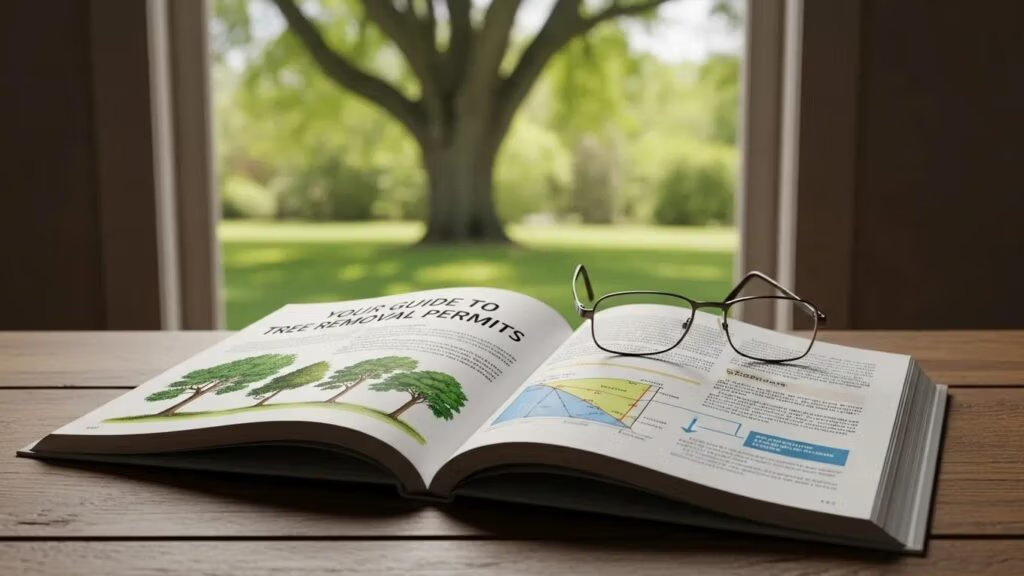
Navigating the complexities of tree removal permits and regulations can be daunting for homeowners and property managers in Waukesha County. Understanding the necessity of these permits is crucial for ensuring compliance with local laws and protecting urban green spaces. This comprehensive guide will provide insights into the tree removal permit process, local regulations, and the role of Dunbar Tree Service in facilitating these procedures. Many individuals face challenges when attempting to remove trees without proper authorization, which can lead to fines and legal issues. This article will explore the steps to obtain a tree removal permit, the specific requirements involved, and how to ensure compliance with local ordinances.
Tree removal permits are official authorizations required by local governments before a tree can be removed from a property. These permits are essential for regulating tree removal to protect the environment and maintain the aesthetic value of urban areas. In Waukesha County, obtaining a tree removal permit helps ensure that tree removal is conducted responsibly, considering the ecological impact and community standards. Failure to secure a permit can result in significant fines and legal repercussions, emphasizing the importance of understanding and adhering to local regulations.
Research further emphasizes the critical role of such ordinances in providing legal protection for urban trees and regulating their removal.
Urban Tree Protection Ordinances & Regulations
Disincentives typically provide legal protection to trees, regulating who can prune and remove trees, and limiting the breadth and enforceability of tree protection ordinances by.
Protecting trees in the urban forest: a systematic review of literature on acts, bylaws, ordinances, and regulations, AJF Martin, 2025
Local tree cutting regulations in Waukesha County are designed to protect urban forests and ensure sustainable practices. These guidelines dictate which trees can be removed, the conditions under which removal is permitted, and the necessary procedures to follow. Homeowners are encouraged to consult with local government agencies to understand specific regulations that may apply to their property. Compliance with these guidelines not only helps preserve the environment but also fosters community involvement in maintaining green spaces.
The dynamic nature of these regulations means that ordinances are frequently updated to ensure compliance with new statutes and evolving environmental goals.
Municipal Tree Removal Ordinance Compliance
Ordinances that regulate the removal of urban trees were the most likely to be changed to comply with the new statute.
Municipal response to state legislation limiting local oversight of private urban tree removal in Florida, AK Koeser, 2021
Waukesha County’s tree laws play a vital role in safeguarding urban green spaces by regulating tree removal and promoting replanting efforts. These laws aim to mitigate the loss of trees that contribute to air quality, wildlife habitats, and overall community aesthetics. By enforcing regulations that require permits for tree removal, the county encourages property owners to consider the ecological impact of their actions. Community involvement in tree preservation initiatives further enhances the effectiveness of these laws, fostering a collective responsibility towards maintaining the urban landscape.
Obtaining a tree removal permit in Waukesha County involves several key steps that ensure compliance with local regulations. The process typically includes:
Dunbar Tree Service can assist in navigating this process, ensuring that all necessary steps are completed efficiently.
When applying for a tree removal permit, specific documentation is required to support your application. This may include:
Dunbar Tree Service offers free consultations to help homeowners understand these requirements and prepare their applications effectively.
The timeline for obtaining a tree removal permit can vary based on several factors, including the complexity of the application and the local government’s workload. Typically, applicants can expect the following:
Understanding these timelines is crucial for planning any tree removal activities, especially if the removal is time-sensitive.
Common requirements for tree removal permits in Waukesha County include:
These requirements ensure that tree removal is conducted responsibly and in accordance with local environmental standards.
In Waukesha County, specific species and size criteria determine whether a tree removal permit is necessary. Generally, trees that are:
Consulting with local authorities can provide clarity on which trees fall under these criteria.
Failure to comply with tree removal ordinances can result in significant penalties, including fines and mandatory replanting requirements. Local authorities actively enforce these regulations to ensure community standards are upheld. Homeowners found removing trees without the necessary permits may face fines ranging from $100 to $1,000, depending on the severity of the violation. Understanding these penalties underscores the importance of adhering to local tree removal laws.
Dunbar Tree Service is committed to ensuring compliance with local tree removal regulations. The company employs ISA-certified arborists who are knowledgeable about Waukesha County’s tree ordinances. By conducting thorough site assessments and adhering to OSHA standards, Dunbar Tree Service guarantees that all tree removal activities are performed safely and legally. Their expertise helps clients navigate the complexities of the permit process, ensuring that all necessary regulations are followed.
Navigating the intricacies of Waukesha County’s tree ordinances can be challenging for property owners. Dunbar Tree Service offers expert guidance to help clients understand local laws and ensure compliance. Their team provides consultations to clarify the permit process, documentation requirements, and any potential restrictions that may apply. By leveraging their expertise, homeowners can make informed decisions regarding tree removal while adhering to local regulations.
Indeed, effective urban forestry and private tree protection heavily rely on integrating specialized legal knowledge.
Legal Aspects of Private Tree Protection
By illuminating law’s ability to enable or constrain effective private tree protection, this study underscores that urban forestry requires integrating legal expertise.
Urban Forest Regulations and Incentives for Preserving Trees on Private Land: A Legal Perspective, Y Holzman-Gazit, 2026
Dunbar Tree Service provides safe and reliable tree removal services that align with local permit conditions. Their team is trained to handle tree removal in a manner that minimizes environmental impact and adheres to safety standards. By following best practices and local regulations, Dunbar Tree Service ensures that tree removal is conducted responsibly, protecting both the property and the surrounding ecosystem.
Understanding tree removal permits can raise several questions for homeowners. Here are some common inquiries:
Yes, a tree removal permit can be denied based on several factors, including:
Understanding these reasons can help applicants prepare stronger applications.
The tree removal permit process typically takes between 2 to 6 weeks, depending on the complexity of the application and local government workload. Applicants should plan accordingly and ensure that all required documentation is submitted promptly to avoid delays. By working with Dunbar Tree Service, homeowners can streamline the process and ensure compliance with all necessary regulations.
Chris Dunbar is a certified arborist with decades of experience in tree care and removal. His expertise ensures that all tree services are performed safely, responsibly, and in compliance with local regulations. To learn more about Chris and the team, visit the Dunbar Tree Service About Us page.