By Chris Dunbar, Owner of Dunbar Tree Service
Severe weather events frequently cause structural damage to trees, creating quantifiable risks to property and public safety. In Milwaukee, variable weather patterns generate emergency tree scenarios that necessitate prompt professional intervention. This article summarizes available **emergency tree services**, describes standard response protocols and removal techniques, and outlines selection criteria for qualified providers. Readers will gain a clear understanding of response priorities, expected service procedures, and the technical capabilities offered by Dunbar Tree Service.
Emergency tree services in Milwaukee provide rapid 24/7 response to mitigate storm damage hazards effectively.
Certified arborists use specialized equipment and techniques to ensure safe and efficient storm-damaged tree removal.
Strict safety protocols protect workers and property during emergency tree removal operations.
Preventive measures like regular inspections and pruning reduce future storm damage risks to trees.
Dunbar Tree Service offers expert storm damage response and supports insurance claim documentation for clients.
Understanding vulnerable tree species helps homeowners prioritize preventive care before severe weather events.
Post-storm maintenance, including health assessments and targeted pruning, enhances tree resilience against future storms.
Ongoing professional consultation and consistent maintenance sustain tree safety for residential and commercial properties year-round.
Dunbar Tree Service’s ISA–certified arborists demonstrate expertise through effective emergency response and client satisfaction.
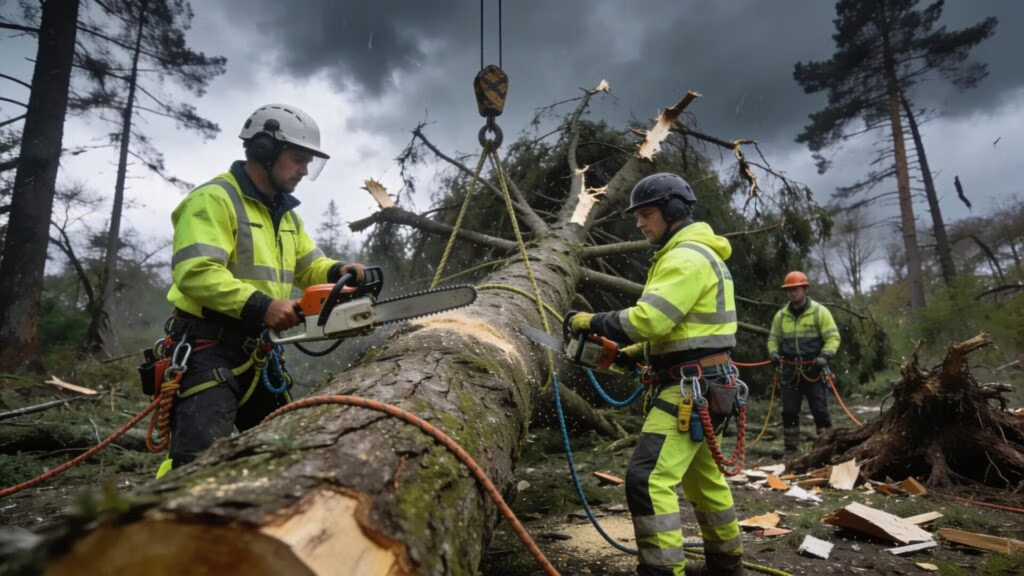
Emergency tree services implement defined rapid-response protocols to assess hazards and initiate mitigation. Providers maintain 24/7 availability to conduct expedited site evaluations, prioritize hazards based on risk to life and infrastructure, and deploy teams with appropriate equipment. Timely intervention reduces the probability of secondary damage and supports coordinated hazard mitigation consistent with industry best practice.
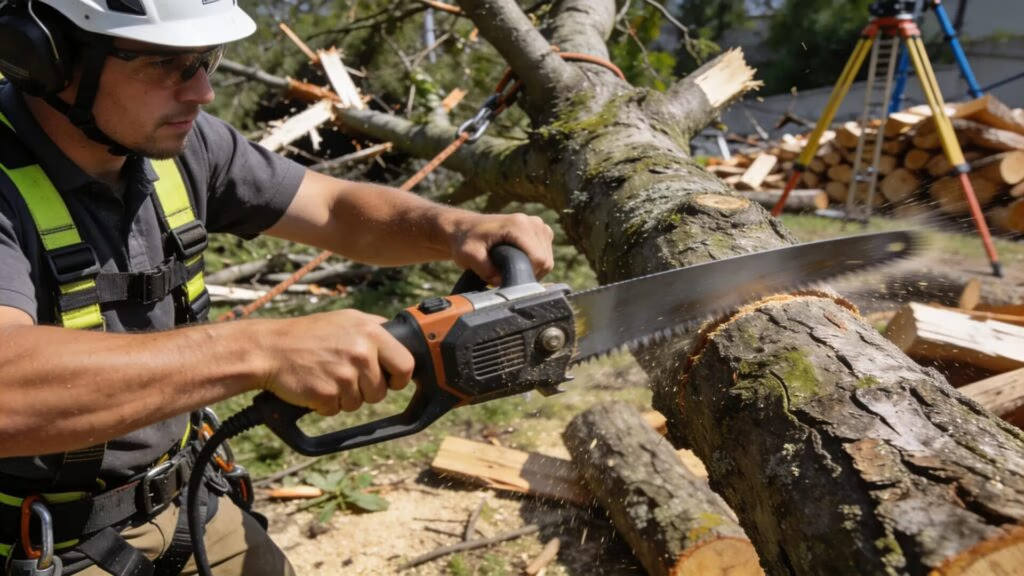
Professional tree removal employs controlled techniques that balance operative safety with operational efficiency. Certified arborists utilise purpose-designed rigging, cutting, and removal equipment to manage compromised trees while limiting impact to adjacent structures and vegetation. Technical knowledge of tree biology and structural failure modes informs removal decisions and supports ecosystem preservation where feasible.
Dunbar Tree Service applies a site-specific methodology for emergency response across Milwaukee and Waukesha County. Their operational model integrates trained crews, standardised protocols, and logistical coordination to deliver responsive service under urgent conditions.
Reference material detailing procedural checklists and long-term recovery actions clarifies the professional standards for managing storm-damaged trees and supporting post-event restoration.
Essential Guide to Storm-Damaged Tree Removal and Recovery Summarizes guidance on chainsaw safety, criteria for engaging professional arboricultural services, and diagnostic indicators used to determine tree survivability versus removal. The guide also documents post-storm restoration techniques, including immediate and phased structural pruning protocols for recovery. Assessing Damage and Restoring Trees After a Hurricane: ENH1036/EP291, 7/2006, 2006
Safety procedures for emergency tree removal define measures to protect personnel, property, and the public. Protocols include systematic risk assessment, use of appropriate personal protective equipment, and establishment of exclusion zones to control site access during operations.
Service | Description | Safety Measures |
|---|---|---|
Risk Assessments | Initial evaluations to identify potential hazards. | Use of protective gear, location evaluation for safe operation. |
Compliance | Adherence to OSHA and local regulations. | Regular training and adherence checks for safety standards. |
Worker Safety | Procedures to ensure safety for on-site personnel. | Implementation of specific safety measures during operations. |
Familiarity with these protocols enables clients to verify that contracted providers adhere to recognized safety and regulatory standards during removal operations.
Proactive tree care reduces the probability and severity of future storm-related failures. Preventive actions include scheduled inspections, targeted structural pruning, and prompt removal of hazardous material to maintain site safety and tree stability.
Regular Inspections: Scheduling routine tree health assessments to detect potential issues early.
Pruning and Removal: Engaging professionals for **pruning** weak branches helps enhance stability.
Debris Cleanup: Implementing strategies for post-storm debris removal reduces hazards and maintains a safe environment.
Each preventive measure contributes to improved structural integrity and lowers the likelihood of significant damage during subsequent weather events.
Following removal operations, clients may require ancillary services to complete recovery. Typical post-removal support includes preparation of insurance documentation, on-site cleanup, and coordination of repairs or landscape restoration.
Insurance Documentation: Help in compiling necessary paperwork for insurance claims.
Post-Removal Cleanup: Services that include landscaping and site cleaning.
Client Guidance: Ongoing support to advise on best practices following emergency services.
Access to these supplemental services streamlines recovery and assists property owners in restoring safety and site functionality.
Immediate risks associated with storm-damaged trees include threats to personal safety, structural damage to buildings and infrastructure, and disruption to local ecosystems and transportation routes. Identifying and addressing these hazards promptly reduces exposure to liability and public-safety incidents.
Storm forces induce failure modes such as branch shear, root plate uplift, and trunk splitting, which compromise structural stability. Accurate recognition of these failure indicators is essential to prioritize trees that require urgent professional intervention.
Certain species exhibit characteristics that increase susceptibility to storm damage. Examples include trees with shallow rooting systems, wide canopies, or a high center of gravity; these traits elevate the risk of overturning or extensive branch failure under wind loading.
Willows: Their shallow root systems and heavy branches make them prone to fall.
Maples: Often susceptible to branch breakage due to a wide canopy during high winds.
Pines: Tall and top-heavy, pines frequently suffer from windthrow during storms.
Recognizing species-specific vulnerabilities supports prioritized inspections and targeted interventions such as corrective pruning or selective removal.
Standard emergency tree removal is executed through discrete stages: initial site evaluation, application of safety controls, and controlled extraction using appropriate equipment and rigging techniques.
Tree Evaluation: Professionals evaluate the tree and its surroundings before proceeding.
Safety Protocols: Implementing established safety measures to protect workers and property.
Controlled Removal: Utilizing specialized equipment and techniques to safely remove the tree.
This staged methodology ensures operational safety for crews and the public while optimizing efficiency during removal activities.
ISA Certified Arborists apply standardised emergency procedures supported by formal training. Their operational approach includes emergency response training, validated equipment handling practices, and structured decision frameworks to assess and act under time-sensitive conditions.
Emergency Response Training: Comprehensive training on efficient and safe tree care during emergencies.
Equipment Handling: Proficient use of tools tailored for high-risk tree removal situations.
Quick Decision Making: Ability to assess scenarios and make informed decisions swiftly.
These professional competencies enable arborists to execute emergency interventions while maintaining adherence to safety and quality standards.
Storm tree cleanup procedures emphasize systematic hazard management: comprehensive site assessment, mandatory use of personal protective equipment, and established communication protocols for on-site coordination.
Site Assessment: Evaluating the work area for risks, such as energized power lines.
Protective Gear: Enforcing the use of helmets, gloves, and eye protection for all workers.
Communication Plans: Establishing clear communication methods among team members during operations.
Adherence to these protocols reduces occupational risk and supports a controlled, effective cleanup operation.
Insurance claims following storm events require detailed documentation and clear communication. Dunbar Tree Service provides structured support by preparing required documentation and facilitating information exchange with insurers to substantiate claims.
Documentation Support: Helping clients gather necessary paperwork for their claims.
Clear Communication: Establishing liaison roles to communicate vital information between clients and insurers.
These services reduce administrative burden for clients and contribute to an auditable record that supports the claims process.
Accepted documentation typically includes time-stamped photographic evidence, professional damage estimates, and work order confirmation demonstrating completed remediation or removal activities.
Photographic Evidence: Before and after photos of the damage.
Estimates of Damage: Detailed assessments prepared by professionals.
Work Order Confirmation: Proof of performed services and repairs.
Provision of comprehensive and verifiable documentation supports a more efficient claims adjudication process.
Clients can improve claim processing times by submitting documentation promptly, ensuring completeness and accuracy, and maintaining regular communication with their insurer to track progress and respond to requests for additional information.
Timely Submission: Submit claims promptly after storm damage occurs.
Thorough Documentation: Ensure all required documents are complete and accurate.
Regular Communication: Stay in contact with the insurance company to track claim status.
Consistent application of these steps increases the likelihood of expedited approval and timely restoration.
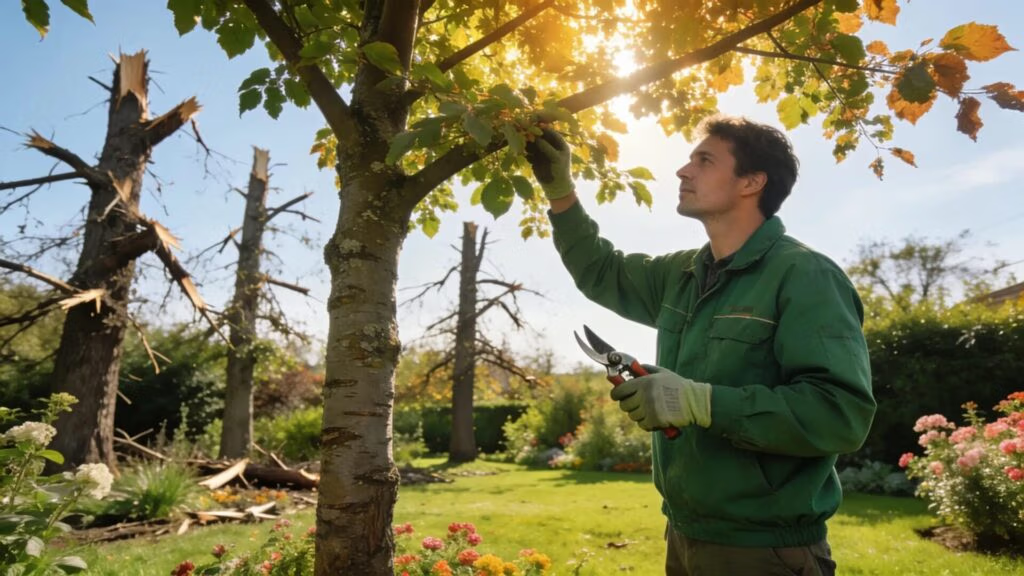
Post-storm maintenance should address structural integrity and ongoing health metrics. Recommended actions include scheduled inspections, targeted pruning to remove structurally compromised limbs, and professional health assessments to evaluate recovery potential.
Routine Maintenance: Scheduling regular inspections to monitor tree health.
Targeted Pruning: Removing weak branches to diminish future risks.
Health Assessments: Engaging arborists for professional evaluations of tree conditions.
These measures contribute to measurable improvements in tree resilience and reduce the probability of recurrent storm damage.
Preventive practices that enhance resilience include soil management to support root development, species diversification to mitigate uniform failure risk, and appropriate water management to reduce physiological stress.
Soil Management: Ensuring healthy soil promotes strong root systems.
Biodiversity Planning: Planting diverse tree species can reduce the risk of large-scale failure during storms.
Water Management: Proper irrigation techniques improve tree health and reduce stress.
Implementation of these practices reduces vulnerability to storm forces and supports long-term landscape stability.
Year-round tree safety requires scheduled assessments, ongoing professional consultation, and consistent maintenance actions aligned with site-specific risk profiles.
Regular Safety Inspections: Scheduling assessments to identify weaknesses.
Professional Consultation: Engaging arborists to provide expert advice on tree care.
Consistent Maintenance: Implementing ongoing care routines and necessary interventions.
Adoption of these practices helps maintain safe conditions for residential and commercial properties and reduces exposure to storm-related liabilities.
Dunbar Tree Service provides emergency response capabilities supported by credentialed staff and standardised operational procedures. Their service model emphasizes workplace safety, rapid mobilisation, and methodical execution of removal and recovery tasks.
The Dunbar team holds professional credentials such as ISA certification, evidencing adherence to industry standards and a commitment to continuing professional development in arboriculture.
Client feedback documents cases of effective emergency response and satisfactory restoration outcomes, demonstrating the firm’s capability to manage urgent tree hazards while maintaining service quality.
Prioritize safety by avoiding proximity to damaged trees that may be unstable. Inspect the property for immediate hazards such as live electrical conductors or large debris. Record the damage with date-stamped photographs for insurance records and contact a qualified emergency tree service, for example Dunbar Tree Service, to perform a professional risk assessment and secure the site.
Identify providers through professional referrals, verified online reviews, and confirmation of relevant qualifications. Verify that the company employs certified arborists, carries appropriate insurance, and maintains documented emergency response protocols. An initial discussion with the provider should clarify availability, procedures, and safety standards.
Emergency removal costs vary according to tree size, site accessibility, and damage complexity. Typical price ranges extend from several hundred to more than one thousand dollars, with additional charges possible for complex rigging, utility coordination, or extensive cleanup. Obtain multiple written estimates and request clarification on potential supplemental fees.
Annual inspections are a standard recommendation for monitoring tree health and structural condition. Additional assessments are advisable following severe weather events. Certified arborists can identify structural weaknesses and recommend pruning or removal as preventive measures.
Late autumn and early spring represent critical periods for tree care. Fall pruning supports dormancy and reduces winter risk, while spring inspections and fertilisation prepare trees for the growing season and the elevated storm risk in summer months.
Evaluate licensing, insurance coverage, demonstrated compliance with OSHA or equivalent standards, and evidence of regular staff safety training. Request information on incident history and protocols for accident response. A transparent provider will supply documentation and discuss safety performance openly.
Conduct systematic inspections to identify damaged or decayed limbs and remove them to prevent secondary decline. Engage certified arborists for pruning and health assessments, monitor soil moisture and fertility, and implement scheduled maintenance to support recovery and long-term vigor.
Effective emergency tree services provide rapid, methodical responses to reduce hazards associated with storm-damaged trees and to protect persons and property. Engaging certified professionals, such as Dunbar Tree Service, ensures that removal and recovery operations adhere to established safety standards and technical protocols. Prioritizing preventive maintenance and documented post-storm interventions improves landscape resilience and reduces future risk. For immediate assistance or to evaluate comprehensive tree care options, contact Dunbar Tree Service.