By Chris Dunbar, Owner of Dunbar Tree Service
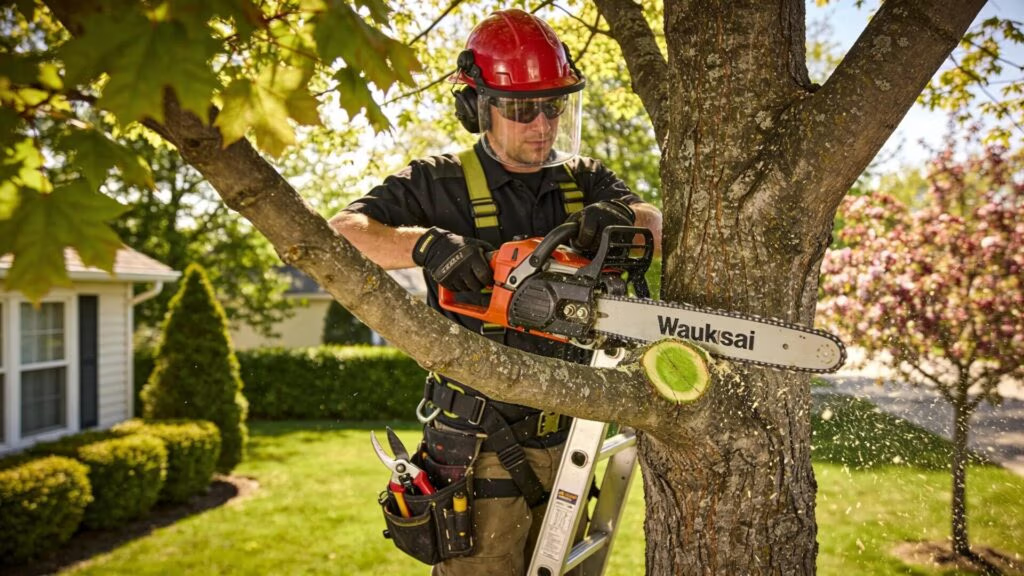
Engaging professional “**tree trimming** services” provides homeowners with targeted interventions to maintain tree health, structural integrity, and landscape aesthetics. Tree trimming consists of the deliberate removal of specified limbs and shoots to manage canopy architecture, reduce pathogen entry points and direct growth. In Waukesha, certified arborists apply standard pruning methods aligned with industry best practices to sustain tree vigor and protect property value. This document summarizes core pruning techniques, quantifies the operational benefits of professional engagement, outlines applicable safety standards, and provides recommendations for residential tree maintenance.
Recognizing the operational and ecological outcomes of managed arboriculture supports informed decision making by property owners and municipal stakeholders.
The Importance of Professional Arboricultural Maintenance and Care This document provides a comprehensive literature review regarding the costs of both active and deferred maintenance for standard arboricultural services integrated into municipal budgets (planting, pruning, removal, and integrated pest and disease management). Additionally, it offers an overview of the costs associated with less-documented maintenance practices, including tree risk assessment and mitigation, irrigation, mulching, fertilization and nutrient management, and structural support systems such as staking and cabling. The costs of maintaining and not maintaining the urban forest: A review of the urban forestry and arboriculture literature, J Vogt, 2015
Professional tree trimming services in Waukesha enhance tree health and maintain residential landscape aesthetics effectively.
Expert pruning techniques include selective pruning, crown thinning, raising, and reduction to promote healthy tree growth.
Regular inspections, proper pruning timing, and adequate watering support long-term tree vitality and stability.
Certified arborists provide specialized knowledge ensuring safe, effective tree care and risk assessment for homeowners.
Professional trimming improves safety by reducing hazardous branches and increasing clearance for pedestrians and vehicles.
Well-maintained trees enhance property value by improving curb appeal and preventing costly future damages.
Compliance with safety standards like ANSI A300 and OSHA ensures hazard-free and environmentally responsible tree maintenance.
Seasonal scheduling of tree trimming during dormancy minimizes stress and encourages vigorous growth.
Emergency tree trimming services address urgent risks from storm damage, fallen branches, and leaning trees promptly.

Professional pruning protocols establish and preserve structural form, optimize light penetration and air flow, and reduce mechanical failure risk. Typical methods implemented by qualified arborists include selective pruning, crown thinning, crown raising and crown reduction executed according to species-specific growth patterns and wound response.
Selective Pruning: This technique involves removing specific branches to improve tree structure and encourage healthy growth while preserving the tree’s natural shape.
Crown Thinning: Thinning reduces the density of the tree canopy, allowing more sunlight to penetrate and air to circulate. This technique not only alleviates stress on branches but also minimizes the risk of disease.
Crown Raising: This involves removing lower branches to achieve greater clearance for pedestrians and vehicles, enhancing safety and visibility in residential areas.
Crown Reduction: A crown reduction focuses on lowering the tree’s height by selectively trimming the extremities of branches. This method also helps maintain a balanced appearance without significantly impacting the tree’s health.
When applied in accordance with species biology and current arboricultural standards, these techniques contribute to structural stability, improved canopy function and enhanced landscape appearance.
Incorrect pruning methods, excessive wound area or inappropriate timing can impair physiological processes and increase susceptibility to decay, therefore procedures must follow established best-practice guidelines.
Expert Tree Pruning: Balancing Infrastructure and Tree Health Tree pruning is performed to mitigate conflicts with infrastructure, buildings, and human activity. However, excessive pruning may diminish the canopy’s photosynthetic capacity and increase susceptibility to fungal infection. Such risks can lead to a reduction in both tree stability and overall vigor. Impact of heavy pruning on development and photosynthesis of Tilia cordata Mill. trees, 2021
Effective maintenance integrates scheduled inspections, species-appropriate pruning windows, and soil and moisture management to preserve long-term tree performance.
Regular Inspections: Routine assessments are vital for identifying potential health issues, such as pests or diseases, before they escalate.
Proper Pruning Timing: Pruning trees at the right time, typically during the dormant season, helps minimize stress and promotes efficient healing.
Watering and Mulching: Proper hydration and mulching help trees establish robust root systems, ensuring their long-term health and stability.
Consistent implementation of these maintenance tasks reduces acute failure risk and supports resilience to environmental stressors.
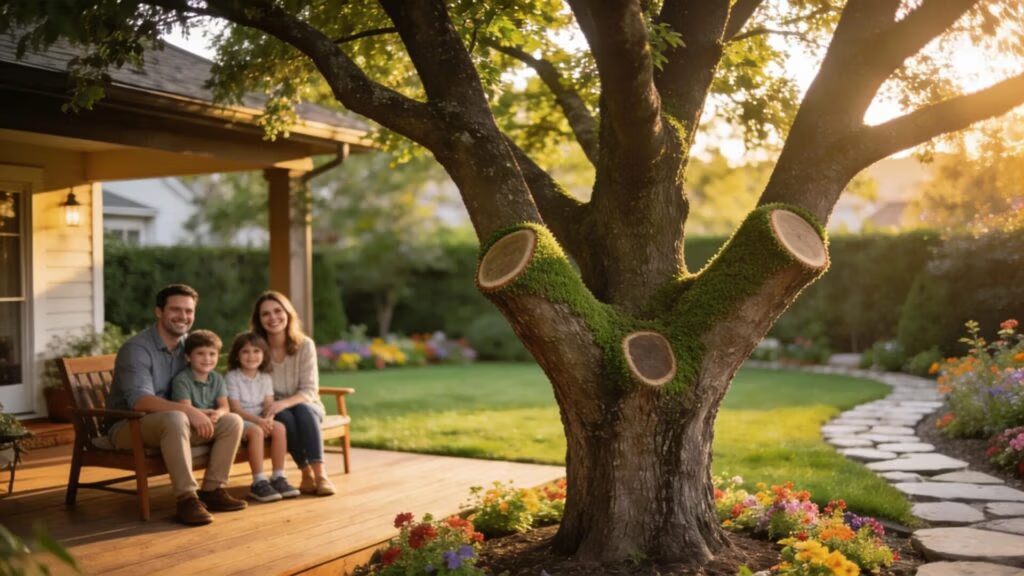
Contracting professional tree trimming services delivers technical assessment, risk mitigation and executional efficiency that exceed typical homeowner capabilities. These services aim to extend tree service life while reducing operational liabilities.
Expertise of Certified Arborists: Certified arborists possess specialized training and knowledge, enabling them to assess tree health accurately and implement proper care techniques. Their expertise ensures that the right practices are employed, minimizing damage to trees.
Health Promotion: Regular trimming encourages new growth and improves the overall health of the tree. Healthy trees not only enhance landscape beauty but also contribute to environmental stability.
Risk Assessment and Safety: Professionals conduct thorough risk assessments to define potential hazards associated with overgrown or damaged trees. Their experience reduces the likelihood of accidents or property damage.
Aesthetic Enhancements: Well-kept trees significantly boost a property’s visual appeal. A professional touch can turn an ordinary yard into an enchanting garden.
Emergency Services: Many arborist services offer “**emergency tree trimming**” and removal, addressing urgent situations such as storm damage or hazardous tree conditions, providing homeowners peace of mind.
For homeowners in Waukesha, selecting reputable providers such as “**Dunbar Tree Service**” allows access to certified personnel, documented procedures and accountable service delivery.
The principal benefits of professional tree trimming for residential properties in Waukesha include improved tree health, enhanced visual amenity, reduced safety risk and potential property value retention or increase.
Improved Tree Health: Regular tree trimming promotes healthier trees. Experts can identify and remove diseased or dead branches, encouraging robust growth and longevity.
Aesthetic Enhancement: A well-maintained tree adds beauty and value to a property. Professional trimmers can shape trees to enhance their visual appeal harmoniously.
Safety Considerations: Proper trimming reduces the risk of falling branches and improves the overall safety of outdoor spaces for families and visitors.
Potential Increases in Property Value: Well-maintained landscapes with healthy trees can significantly increase property values. Buyers often appreciate homes with well-cared-for greenery.
Collectively, these outcomes justify periodic investment in certified tree care as a component of responsible property management.
Tree pruning preserves health and enhances value by removing structurally unsound material, optimizing canopy architecture and reducing vectors for disease and pest ingress.
Safety and Health Benefits: Regular pruning reduces the risk of disease by eliminating damaged or infected branches. Healthier trees are less susceptible to pests and diseases, providing a safe environment.
Aesthetic Improvements: A well-trimmed tree looks good and complements the overall landscape design, attracting potential buyers or enhancing neighborhood appeal.
Increased Property Value: Well-maintained trees can significantly boost the attractiveness of a yard, leading to higher property values when selling. Research indicates that properties with healthy trees often sell for more than comparable homes without them.
Promoting Healthy Growth: Pruning encourages strong branch development and reduces overcrowding, resulting in a more sustainable and attractive canopy.
Long-term Cost Savings: Investing in professional trimming services can prevent larger, more costly issues from developing as trees mature. This proactive approach minimizes the risk of extensive damage or hazardous situations.
These effects demonstrate that targeted pruning functions as both a silvicultural practice and a preventative asset-management strategy.
Industry-compliant safety practices are a prerequisite for reliable tree maintenance and for the protection of personnel, property and the urban forest.
Local Regulatory Compliance: Arborists must adhere to local laws governing tree care practices, ensuring safety and environmental protection.
Safety Standards Compliance: Adopting best practices, such as ANSI A300 standards, safeguards both workers and the environment during tree care operations.
Pesticide Application Certification: Certified arborists undergo specific training related to pesticide use, ensuring safe and effective treatment of trees when necessary.
OSHA Compliance: Arborists follow Occupational Safety and Health Administration (OSHA) regulations to ensure that safety measures are in place, protecting both workers and residents.
Adherence to these standards ensures that operations are executed with documented procedures, qualified personnel and regulatory accountability.
When safety is the primary concern, arborists apply systematic inspection protocols and documented mitigation plans to reduce the probability of tree failure and associated harm.
Professional Tree Risk Assessment and Maintenance Services Experienced arborists can facilitate this decision-making process by conducting professional risk assessments that determine the likelihood of whole or partial tree failure, the potential consequences of such failures, and the specific targets at risk. Various risk assessment methodologies have been developed to guide professionals through the systematic tree inspection process. Tree risk assessment methods: A comparison of three common evaluation forms: ENH1226/EP487, 11/2013, AK Koeser, 2013
ISA Certified Arborists recommend pruning techniques that balance canopy function with structural integrity. Recommendations focus on crown thinning, crown raising and crown reduction, applied according to species response and structural assessment.
Crown Thinning: This technique reduces the density of foliage to allow sunlight and air circulation without altering the tree’s natural shape.
Crown Raising: This involves removing lower branches to provide clearance for structures or pedestrians while promoting healthy growth higher up.
Crown Reduction: Perfect for overly tall trees, this method shortens branches, promoting a reduced canopy while maintaining overall health and appearance.
Consistent use of these techniques within ISA guidelines supports sustainable canopy management and mitigates infrastructure conflicts.
Cost structures for residential tree trimming vary according to service scope, tree size, access constraints and operational complexity. Understanding these drivers supports accurate budgeting.
Service Type | Average Cost | Duration |
|---|---|---|
Basic Trimming | $200 – $500 | 1 – 3 hours |
Crown Reduction | $300 – $700 | 2 – 4 hours |
Emergency Services | $500 – $1,500 | 1 – 5 hours |
Final pricing reflects the number of trees, trunk diameter, canopy complexity, required crew size and any additional mitigation measures. Specifying these parameters reduces estimate variance.
Selecting Dunbar Tree Service provides homeowners with itemised estimates and professional guidance based on site assessment and documented scope of work.
Engaging ISA Certified Arborists delivers assurance that personnel meet recognized competency benchmarks and follow evidence-based practices in tree care.
Qualifications and Expertise: ISA certification indicates that arborists have met rigorous training and knowledge standards in tree care and maintenance, ensuring competent service.
Enhanced Tree Health and Safety: Certified professionals use the latest techniques and practices to improve tree health while minimizing risks associated with tree care and management.
Certification therefore represents an operational control that improves service consistency and outcomes.
Seasonal scheduling aligns pruning activities with tree phenology to minimize stress and support rapid wound closure. Timing decisions should reflect species biology and local climate conditions.
Timing Recommendations: Schedule trimming during late winter or early spring when trees are dormant to minimize stress and promote vigorous growth.
Best Practices for Different Seasons: Adopt seasonal practices that correspond to specific tree care needs, such as winter pruning for deciduous species and summer pruning for flowering trees.
Impact of Tree Trimming on Health: Regular scheduling ensures ongoing health and vigor in the tree, providing an attractive, well-maintained appearance throughout the year.
Adhering to species-specific timing optimizes recovery and reduces susceptibility to pathogens.
Preventive maintenance encompasses routine inspections, correct pruning techniques, soil moisture management and contingency planning for storm events.
Regular Inspections: Scheduled check-ups help identify and address potential issues before they escalate into severe problems, maintaining tree health.
Proper Pruning Techniques: Employing the right pruning methods preserves tree structure, promoting overall vitality.
Watering and Mulching: Applying appropriate levels of water and mulch encourages strong root systems and enhances soil hydration, fostering tree health.
Emergency Preparedness: Being proactive about recognizing and addressing risks associated with storm damage or overgrown growth can prevent substantial damage.
Implementation of these preventative measures reduces long-term maintenance costs and supports tree longevity within the landscape.
Emergency tree trimming services address immediate hazards resulting from storms, structural failure or acute pest and disease outbreaks.
Fallen Branch Removal: Quick and efficient removal of downed branches to clear pathways and reduce hazards in your yard.
Leaning Tree Response: Addressing trees that are at risk of falling poses immediate safety concerns, including bracing or removing the tree when necessary.
Health Risk Management: Essential for identifying and mitigating issues with diseased trees that pose risks to other plants and overall property safety.
Timely intervention in emergency scenarios limits secondary damage and restores safe site conditions.
Dunbar Tree Service maintains protocols and resource allocation designed to deliver timely local emergency response for tree-related incidents.
Rapid Response Times: The team’s efficient communication and operational capability ensure that emergencies are addressed as quickly as possible, prioritizing community safety.
Trained Professionals: Their experienced staff is equipped to handle emergency situations with the utmost care and professionalism, minimizing risks to both the people involved and the trees.
Risk Assessments and Safety: Each response includes a thorough risk assessment to evaluate potential dangers and ensure that all actions taken align with safety standards.
Delegating emergency tree care to a documented local provider reduces response latency and ensures work is conducted under established safety procedures.
Indicators that a tree requires trimming include dead, cracked or structurally compromised branches, limbs that encroach on power lines or structures, and an overly dense canopy that restricts light penetration. Identification of these conditions during routine inspection supports timely intervention and risk reduction.
Select a provider by verifying credentials such as ISA certification, reviewing documented insurance coverage, examining client references and confirming the availability of written estimates and detailed scopes of work. Inquire about safety procedures and emergency response capabilities prior to engagement.
Certain species require more frequent attention due to rapid growth or structural tendencies. Fast-growing species, for example willow and eucalyptus, commonly need annual maintenance to manage form and reduce failure risk. Trees susceptible to pests or diseases may also require increased monitoring and intervention.
The recommended period for most pruning in Waukesha is late winter to early spring when trees are dormant, as this timing minimizes physiological stress and supports vigorous spring growth. Specific species and objectives may require alternative scheduling; consult an arborist for species-specific guidance.
Homeowners should conduct regular visual inspections, maintain appropriate soil moisture levels, apply mulch to conserve soil moisture and avoid unnecessary or excessive cutting. Promptly report signs of decline to a certified arborist rather than attempting corrective pruning beyond basic maintenance.
Professional services typically include debris removal and will dispose of material in accordance with local regulations. Many providers offer chipping, recycling into mulch or removal for disposal; confirm disposal options and any additional fees in the service agreement.
Regular trimming supports structural stability, reduces pest and disease pressure, preserves landscape aesthetics and can mitigate future remedial costs. These cumulative benefits contribute to safer properties and sustained landscape asset value.
Engaging professional tree trimming services in Waukesha ensures trees receive species-appropriate care that preserves health, reduces risk and supports property value. Certified arborists apply standardised techniques, documented safety protocols and seasonally adapted practices to achieve measurable outcomes. Schedule a consultation with Dunbar Tree Service to obtain a site assessment, a documented scope of work and a written estimate.