★ ISA-Certified Arborists · Serving Waukesha & Milwaukee County
★ ISA-Certified Arborists · Serving Waukesha & Milwaukee County
By Chris Dunbar, Owner of Dunbar Tree Service
Severe storms can leave your landscape in rough shape fast, and emergency tree cleanup is essential to protect people and property. Here we cover why certified arborist intervention matters after a storm, and how these specialized services work in Waukesha. You’ll find the types of damage that call for immediate action, the response times you can expect from local providers, what cleanup typically costs, and the preventive steps that reduce your risk going forward. Understanding these basics helps you work more effectively with the professionals handling your recovery. For thorough storm damage recovery, turn to the **emergency tree cleanup** services our certified team provides.
Storm-related tree failures create real hazards. A fallen or leaning tree can block roads, put pedestrians at risk, and damage your property. Bringing in a certified arborist quickly is critical to protecting public safety and preserving your property. The sections below walk through effective emergency tree cleanup strategies and explain the role professionals like Dunbar Tree Service play in Waukesha.
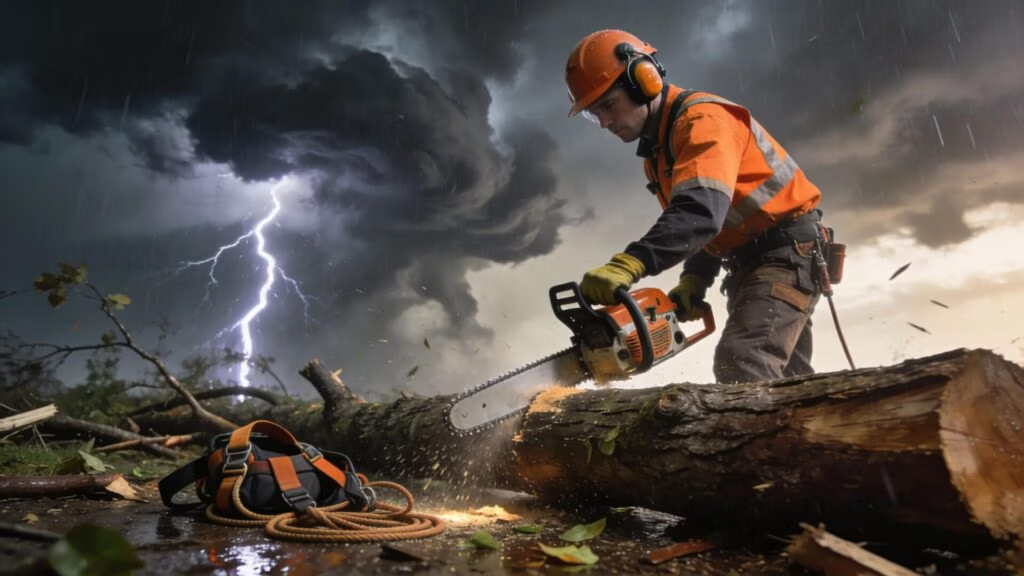
Emergency tree cleanup means getting to hazardous tree debris fast and securing the site right after a storm hits. How quickly that response happens has a direct effect on public safety and on how much of your property you’re able to save. Recognizing common damage patterns, and knowing the technical skill needed to handle them safely, matters here.
In Waukesha, emergency tree cleanup from certified arborists is a core part of post-storm recovery. Arborists are trained to assess tree risk precisely, remove debris under control, and carry out the work in a way that protects both the public and nearby structures. Dunbar Tree Service holds to these professional standards, with safety and procedural compliance at the center of every storm recovery job.
Several types of tree damage call for urgent attention. These include:
Each of these situations shows why acting quickly protects both your property and public safety after severe weather.
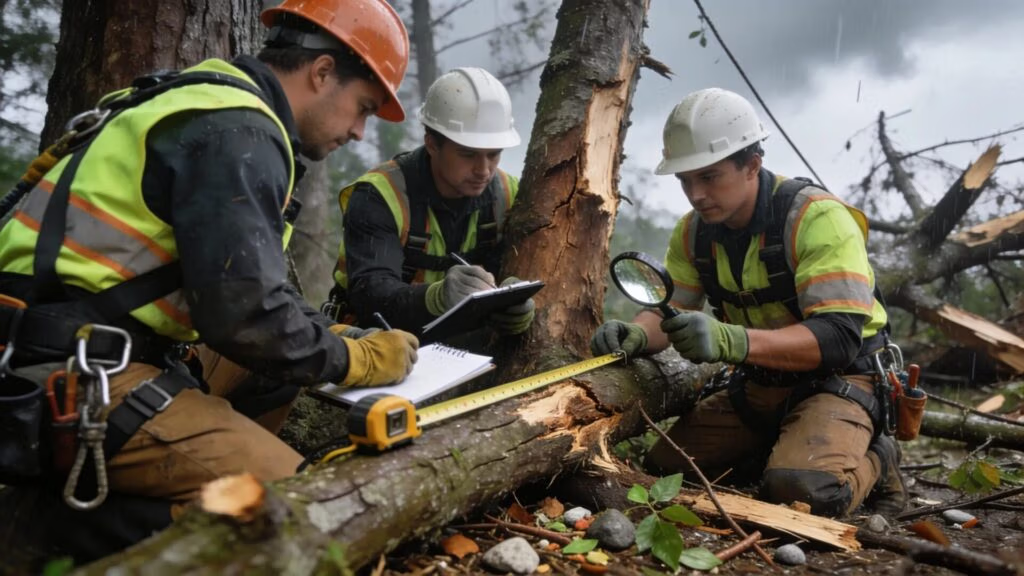
Certified arborists bring formal training and established safety protocols to every emergency tree cleanup. Their skills span vegetation management, structured tree risk assessment, and hazard mitigation. Here’s the process they follow:
Dunbar Tree Service follows these practices on every job, meeting or exceeding the safety standards that apply to cleanup work.
Tree care providers in Waukesha prioritize getting crews mobilized quickly after a storm. How fast your response actually arrives depends on a few factors: weather conditions, how extensive the damage is, and what resources are available.
On average, certified arborists in Waukesha respond within 24-48 hours of a storm under normal conditions. When a storm hits a wide area, response times can stretch out as providers work through safety and access issues across many properties. Reporting your damage promptly helps get a crew to you faster.
Emergency tree removal and cleanup follows a few clear stages:
This structured approach keeps safety front and center while getting your storm-related tree damage handled efficiently.
It’s worth understanding what emergency tree cleanup is likely to cost you. The main drivers are how severe the damage is and how accessible the site is, since both affect the labor and equipment required.
How bad the storm damage is drives which pricing tier you’ll fall into:
These price ranges show why it pays to work with a dependable provider like Dunbar Tree Service when you’re budgeting for cleanup.
Many homeowners’ insurance policies cover emergency tree cleanup when the damage poses an imminent threat to your property. Here’s what you should do:
Knowing your policy and documenting damage promptly puts you in a much better position to manage costs during recovery.
You can take steps now to reduce storm-related tree damage down the road. Regular assessments by certified arborists play a central role in keeping your trees structurally sound. Common preventive actions include:

Preventive pruning is a proactive step that lowers the chances of branch failure and uprooting. The benefits typically include:
These targeted assessments and corrective steps from professional arborists add up to real, measurable improvements in safety when storms hit.
Regular maintenance builds long-term tree health and resilience against storm forces. That means scheduled inspections and ongoing care throughout the growing season.
These practices extend your trees’ longevity and meaningfully cut the odds of storm-related failures.
Commercial and residential emergency tree services differ mainly in scale and complexity. Commercial jobs call for more resources, specialized machinery, and tighter coordination to handle larger properties and higher-risk situations.
Emergency protocols for commercial properties focus on keeping disruption to a minimum and preserving business continuity. Typical strategies include:
These specialized protocols address the unique logistical and safety demands of commercial properties across urban Waukesha.
Large-scale commercial cleanup depends on the right equipment and experienced teams. Core components include:
The deployment of these resources enables efficient operations tailored to the complexities of larger commercial sites.
Preparation enhances the speed and effectiveness of emergency response. Recommended preparatory actions include maintaining records, compiling emergency contacts, and establishing basic safety protocols for occupants.
Such preparation enables responding teams to act immediately and with full context upon arrival.
Accurate documentation expedites insurance claims and supports safe, compliant cleanup work. Property owners should collect:
Maintaining these records assists claim processing and demonstrates compliance with local safety requirements during cleanup operations.
For an overview of available services, reviewing the **tree removal** services provides detailed information on comprehensive care options.
Additionally, maintaining tree health commonly involves **tree trimming** and pruning, a principal preventive measure to reduce future storm damage.
If immediate assistance is required or further information on company qualifications is needed, contact details and team information are available via the contact us page; the about us section details organizational credentials and community commitments.
Conduct a visual assessment of your property for immediate hazards such as downed power lines, fallen branches, or leaning trees. Prioritize personal safety and avoid approaching potentially energized lines or unstable trees. Document damage with photographs and notify your insurer. Arrange a certified arborist assessment to determine whether professional cleanup or removal is necessary. Advance preparation of contacts and records improves response efficiency.
Identify local emergency tree services that specialise in storm response. Verify certifications, licenses, and proof of insurance. Review client references and performance history, with attention to documented response times and safety protocols. Seek recommendations from neighbors or your insurance provider to corroborate reliability and compliance.
Tree damage occurs year-round but increases during seasons with severe weather, such as periods with frequent thunderstorms, heavy rain, or ice events. Adverse conditions combined with compromised tree health raise the probability of failure. Regular maintenance and health monitoring reduce seasonal vulnerability.
Certain species exhibit higher susceptibility to storm forces due to structural characteristics. Softwoods such as pines and poplars typically have lower wind tolerance than hardwoods like oak or maple. Trees with shallow root systems are also vulnerable, particularly in saturated soils. Arborist assessments can identify at-risk species and recommend mitigation measures such as pruning or reinforcement.
Minor damage generally involves broken branches or limited canopy loss that does not compromise overall structure. Major damage includes uprooting, significant trunk fractures, or complete toppling. When structural integrity is uncertain or nearby assets are at risk, consult a certified arborist for an expert evaluation and recommended corrective actions.
A certified arborist will perform a comprehensive assessment of damaged trees and adjacent hazards, document findings, implement appropriate safety protocols, and employ specialised equipment for removal if required. Expect clear communication regarding risk, recommended actions, and documentation suitable for insurance claims, along with guidance on future risk reduction.
Community resources provide coordinated support during storm events, including public education on tree care, municipal coordination for traffic and safety control, and emergency response planning. Local workshops and outreach programmes enhance homeowner knowledge and contribute to community resilience by promoting preventive maintenance and coordinated response strategies.
Engaging certified arborists for emergency tree cleanup in Waukesha ensures comprehensive hazard mitigation and supports preventive strategies to limit future damage. Their technical expertise addresses immediate risks and informs ongoing maintenance practices. For coordinated recovery efforts, consider the professional services of Dunbar Tree Service and contact them to discuss requirements and available support.