★ ISA-Certified Arborists · Serving Waukesha & Milwaukee County
★ ISA-Certified Arborists · Serving Waukesha & Milwaukee County
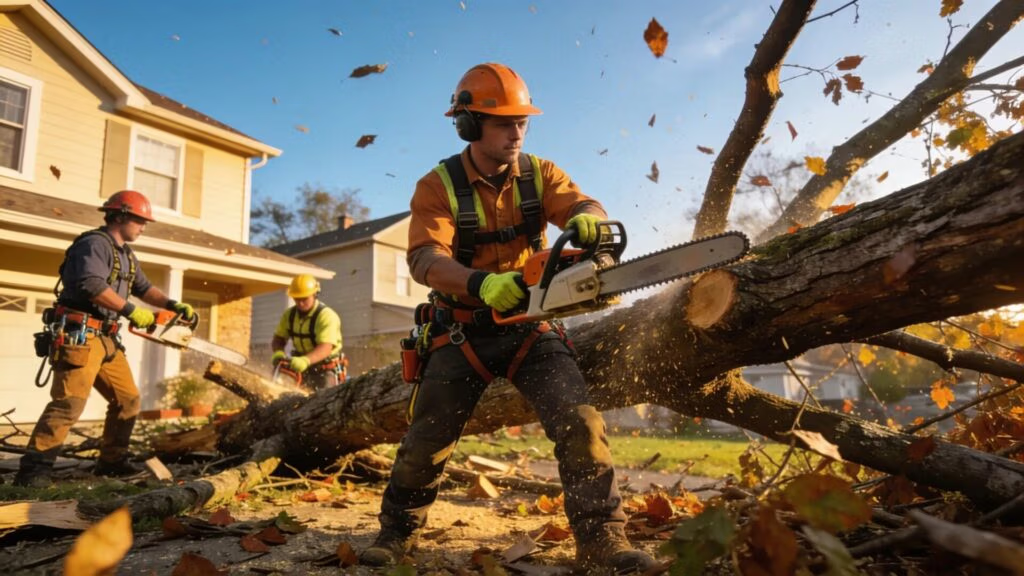
By Chris Dunbar, Owner of Dunbar Tree Service
Storm damage frequently leaves residential and commercial properties with broken limbs and fallen trees that create safety hazards and obstruct access. Effective remediation is essential for homeowners and property managers. This article examines the primary components of storm damage tree clean-up services in Waukesha County, including assessment protocols, safety procedures, and restoration techniques. It describes how certified arborists evaluate storm damage, outlines homeowner responsibilities during clean-up, and summarizes preventive measures. The selection of a qualified service provider, such as “Dunbar **Tree** **Service**”, can materially impact restoration outcomes following severe weather events.
Storm damage tree clean-up in Waukesha County requires certified arborists for safe and efficient emergency removal.
Emergency tree removal involves site assessment, planning, and execution using specialized equipment and safety protocols.
Property restoration includes debris removal, stump grinding, and landscape repair to restore safety and aesthetics.
Homeowners should monitor tree health, hire professionals, and understand insurance coverage for storm damage services.
Certified arborists use standardized methods to assess tree damage and prioritize emergency responses effectively.
Safety protocols mandate personal protective equipment, site risk assessments, and securing work areas during removal.
Rapid response services operate 24/7 with ISA-certified arborists ensuring timely and reliable storm damage management.
Preventive pruning techniques like crown thinning and structural pruning reduce future storm damage risks to trees.
Proper documentation and professional support streamline insurance claims for storm damage tree removal and cleanup.
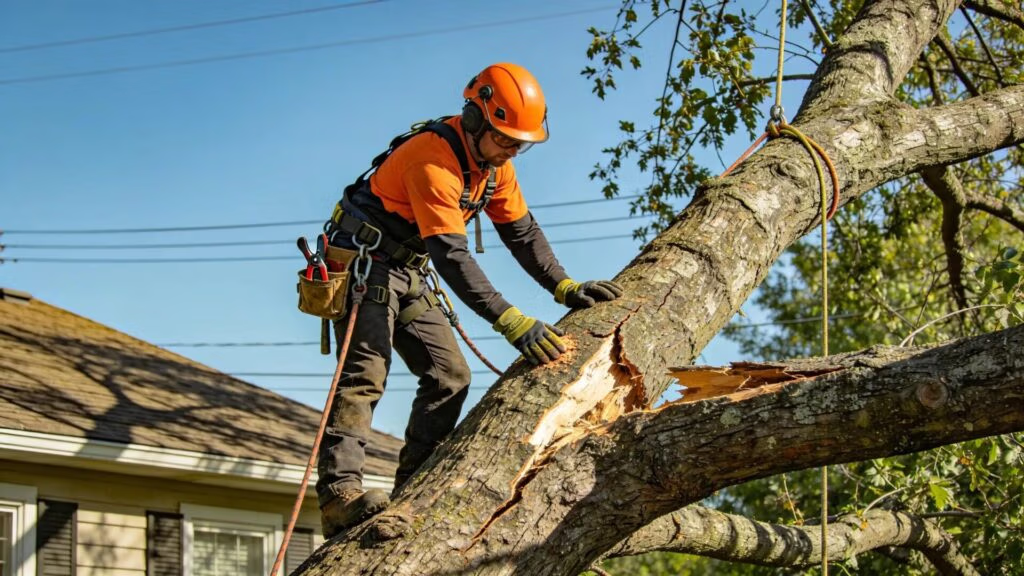
Emergency tree removal procedures commence with a systematic site assessment in which certified professionals evaluate tree stability, proximate hazards, and access constraints. Given the potential for imminent risk, reliable providers maintain on-call availability. Operations employ specialized techniques and equipment to execute “**emergency** **tree** removal” while protecting the surrounding area throughout the intervention.
Owing to the high-risk nature of the work, strict compliance with industry safety standards and operational protocols is required throughout the cleanup phase.
Safety Protocols for Emergency Storm Damage Remediation Post-storm cleanup and property maintenance are inherently hazardous operations. Tasks such as arboriculture activities, removal of compromised limbs, and the clearing of downed woody debris require specialized training and the rigorous application of safety precautions. Failure to observe these precautions may result in serious injury. Evaluating the reproducibility of tree risk assessment ratings across commonly used methods, RW Klein, 2023
The principal stages in storm damage tree clean-up are as follows:
Assessment: Evaluation by certified arborists to determine the extent of damage and hazards.
Planning: Developing a strategy that prioritizes safety and efficiency.
Execution: Utilizing appropriate equipment and techniques to remove the tree or limbs without causing additional damage.
Adherence to these stages facilitates a more efficient clean-up process and reduces operational risk during emergencies.
Once immediate tree hazards are mitigated, restoration focuses on returning outdoor spaces to a safe and functional condition. Typical restoration activities include debris removal, stump grinding, and targeted landscape repair to restore the property’s prior appearance and use. Understanding available restoration options supports informed decision-making during the recovery process.
Homeowners should account for several factors when managing storm-related tree damage. Regular monitoring of tree condition reduces future risk. Contracting qualified professionals ensures that removal and restoration are conducted safely and to industry standards. Additionally, homeowners should review expected costs and insurance coverage to prepare for financial implications associated with cleanup and repairs.
Certified arborists perform detailed inspections to assess storm damage, focusing on tree health indicators and structural weaknesses exacerbated by wind, snow, or impact forces. Emergency responses are triaged to address imminent threats while preserving viable trees where practicable. Arborists apply established removal techniques to reduce risk and support longer-term tree health when retention is appropriate.
Professional arborists employ standardized assessment methodologies to maintain consistency and accuracy in evaluations of damaged trees.
Professional Tree Risk Assessment Methodologies for Property Safety Tree risk assessment protocols assist arborists in performing comprehensive and systematic evaluations of trees and the potential hazards they pose to individuals or property. While methodologies share core elements, method-specific differences can affect decision-making by practitioners. Evaluating the reproducibility of tree risk assessment ratings across commonly used methods, RW Klein, 2023
Safety protocols for emergency tree removal include mandatory personal protective equipment, structured site assessments, and procedures to secure work areas and restrict access. These measures are designed to protect personnel and the public throughout removal operations.
Personal Protective Equipment (PPE): All personnel must wear appropriate gear, including helmets, gloves, and eye protection.
Site Assessments: Before work begins, an assessment of the site is performed to identify potential risks such as power lines or unstable ground.
Securing Work Areas: Ensuring that the work area is clear of bystanders to prevent accidents is crucial.
Implementation of these protocols supports operational safety for workers and the surrounding community.
Emergency tree removal services in Waukesha County operate under defined protocols to provide rapid, coordinated responses during storm events. Local providers commonly offer 24/7 “**emergency** **tree** services” and deploy ISA-certified arborists to ensure compliance with industry standards and best practices. This structured approach supports efficient operations and reliable service delivery during urgent situations.
Rapid response procedures use a systematic model to manage storm aftermaths quickly. Core elements include immediate on-call availability, expedited on-site assessment to determine necessary actions, and efficient mobilisation of crews and equipment based on assessed needs.
Immediate Availability: Service providers are on call to respond as soon as damage is reported.
On-Site Assessment: Quick evaluations enable timely decisions about necessary actions.
Efficient Resource Mobilization: Mobilizing crew and equipment based on the assessed needs ensures optimal productivity.
These procedures deliver a predictable, timely response for property owners requiring urgent assistance.
Hazardous tree removal utilises a range of specialised equipment and techniques, including chainsaws for cutting operations, aerial lifts and chippers for debris management, and rigging systems to control the descent of tree sections and limit collateral damage.
Chainsaws: Essential for cutting down trees effectively.
Lifts and Chippers: Used to safely remove branches and debris after cutting.
Rigging Equipment: Allows for precise control over falling tree sections to prevent damage.
Appropriate selection and disciplined use of this equipment are essential for safe and effective tree removal.
Navigating insurance claims following storm damage requires adherence to established practices: document damage thoroughly, notify insurers promptly, and engage professional support to verify and itemize losses. These steps reduce claim processing time and improve the likelihood of accurate reimbursement.
Documentation: Take comprehensive photos of the damage before any work begins.
Reporting: Notify the insurance company as soon as possible to initiate your claim.
Professional Support: Engaging professionals to assist in the claims process can ensure that all damages are accounted for and reported correctly.
Adoption of these practices streamlines the claims process and facilitates timely resolution.
To support insurance claims effectively, property owners should compile comprehensive documentation by photographing all affected areas, maintaining detailed chronological notes of events, and obtaining written assessments from certified arborists that quantify the extent of damage.
Taking Photos: Capture detailed images of all affected areas and damage.
Detailed Notes: Keep a record of the timeline of events leading up to and following the storm.
Professional Evaluations: Obtain written assessments from certified arborists regarding the extent of damage.
These measures produce comprehensive documentation to support an insurance claim.
Coverage for storm damage tree services varies by policy. Commonly covered items include removal of hazardous trees that threaten structures, debris removal costs, and repairs to property damaged by fallen trees. Reviewing specific policy terms is necessary to determine applicable coverage and any client financial responsibility.
Removal of Hazardous Trees: If a tree presents a risk to the home or structure, removal is generally covered.
Debris Removal Costs: Clearing the area of fallen branches and debris is often included.
Property Damage: Repairs resulting from tree damage to structures may fall under liability coverage.
Understanding policy provisions allows homeowners to anticipate potential out-of-pocket expenses.
Preventive pruning mitigates future storm damage risk by promoting tree health, reducing branch weight, and removing dead or structurally compromised limbs. Techniques such as crown thinning and crown raising improve wind resistance and structural stability. Seasonal timing also affects outcomes; late winter and early spring are generally preferred for promoting wound closure and reducing stress.
Several pruning techniques enhance resilience, including crown thinning to reduce wind load, crown raising to clear lower growth for stability and light penetration, and structural pruning to develop a more robust branch framework.
Crown Thinning: This technique reduces wind resistance by removing excess foliage.
Crown Raising: Removing lower branches improves tree stability while allowing for better light penetration.
Structural Pruning: Focusing on the development of a stronger framework aids in withstanding weather effects.
Proactive implementation of these techniques increases a tree’s capacity to withstand storms while protecting property and preserving tree health.
Optimal timing for preventive pruning is typically late winter to early spring, prior to new growth, to support effective wound closure. Pruning in summer is acceptable for some species but should be avoided during periods of extreme heat to minimize physiological stress on trees.
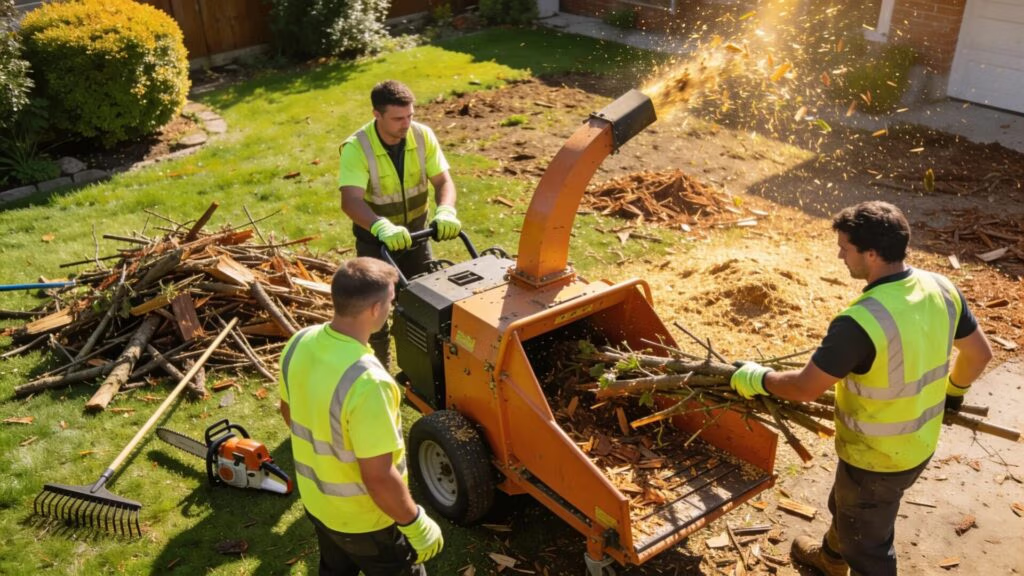
Efficient debris removal restores yard functionality and safety. Effective methods include wood chipping to convert branches into mulch, professional haul-away services for large material, and manual raking and sweeping for smaller debris to prepare the site for restoration or reuse.
Chip Removal: Utilizing wood chippers to break down branches into mulch for easy disposal or landscaping use.
Haul Away Services: Hiring professionals to transport large debris away from the property alleviates the burden on homeowners.
Raking and Sweeping: Removing smaller debris manually to prepare the area for regular use.
Applying these methods accelerates cleanup operations and improves both safety and site appearance.
Debris clearance requires careful planning and adherence to safety practices, including the use of appropriate protective equipment, traffic diversion measures in commercial areas, and immediate reporting of identified hazards such as downed power lines to the relevant authorities.
Using Safety Gear: Wearing protective equipment during the removal process.
Diverting Traffic: Especially important in commercially zoned areas to protect both workers and the public.
Identifying Hazardous Materials: Recognizing any potentially dangerous debris, such as downed power lines, and reporting them to appropriate authorities immediately.
These practices support safe and efficient debris management on both residential and commercial properties.
Storm debris disposal must comply with municipal regulations and environmental protocols. Options may include recycling organic waste into mulch where permitted and implementing specialised procedures for hazardous materials. Compliance with local guidelines prevents regulatory penalties and supports sustainable disposal practices.
Local Guidelines: Following municipal waste disposal regulations is essential to avoid penalties.
Recycling Options: Many areas provide options for environmentally friendly disposal, such as recycling organic waste into mulch.
Hazardous Waste Protocols: Special procedures must be in place for disposing of hazardous materials like treated wood or chemicals.
Awareness of regulatory and environmental requirements ensures compliant and sustainable debris management.
Selecting a qualified provider for storm damage clean-up requires evaluation of safety record, staffing credentials, and operational capacity. Dunbar Tree Service documents a commitment to safety and operational efficiency and employs ISA-certified arborists to meet industry standards. Client feedback frequently references timely response and effective hazard mitigation following storm events.
Dunbar Tree Service holds ISA certification, which attests to practitioner competence in arboricultural practices. This credential indicates training in current safety protocols and technical methods relevant to tree removal and maintenance, contributing to the firm’s service credibility.
Dunbar Tree Service maintains procedures for rapid mobilisation, including 24/7 availability and expedited on-site assessments to allocate crews and equipment efficiently. These operational practices prioritize hazard mitigation and the safety of both staff and property owners during emergency responses.
Costs for storm damage clean-up vary according to damage severity, tree size, access conditions, and required services. Typical residential engagements range approximately from $300 to $2,000, with more complex removals or substantial debris increasing cost. Obtaining multiple quotes from qualified providers supports cost comparison and service evaluation.
Preventive measures include scheduled inspections to identify decay or structural defects, application of appropriate pruning techniques such as crown thinning and structural pruning, and ensuring suitable planting locations and soil management to promote root stability and overall tree health.
Immediately after a storm, perform a safety assessment at a distance: avoid downed power lines, note any structural threats caused by trees, and document visible damage with photographs prior to cleanup. Contact qualified tree service professionals for assessment and safe removal of hazardous conditions.
Municipalities often impose regulations on tree removal, particularly for protected species or trees within conservation zones. Homeowners should consult local ordinances or the city zoning office to determine permit requirements. Engaging a professional tree service can help ensure regulatory compliance and avoid fines.
Certified arborists possess formal training in tree biology, risk assessment, and removal techniques, and they are familiar with applicable safety standards. Their expertise reduces operational risk, supports appropriate decision-making regarding tree retention or removal, and provides credible documentation for insurance and regulatory purposes.
Cleanup duration is contingent on the volume of debris and complexity of removals. Minor operations may conclude within hours; large-scale or logistically complex responses can extend for several days or weeks. Equipment availability, weather conditions, and team size also influence timelines.
Safety precautions include mandatory use of personal protective equipment (PPE), comprehensive site assessments to identify hazards such as power lines or unstable structures, and securing the work zone to limit access to authorised personnel only. These measures reduce the likelihood of accidents during cleanup operations.
Efficient storm damage tree clean-up is essential to restore safety and functional value to properties in Waukesha County. Engagement of certified arborists ensures removal and restoration adhere to industry best practices, thereby reducing residual risk. Homeowners should pursue prompt, professional assistance and consult with qualified providers to protect property value and safety. For professional storm damage clean-up services, Dunbar Tree Service can provide experienced support and operational capacity to address urgent needs.