★ ISA-Certified Arborists · Serving Waukesha & Milwaukee County
★ ISA-Certified Arborists · Serving Waukesha & Milwaukee County
By Chris Dunbar, Owner of Dunbar Tree Service
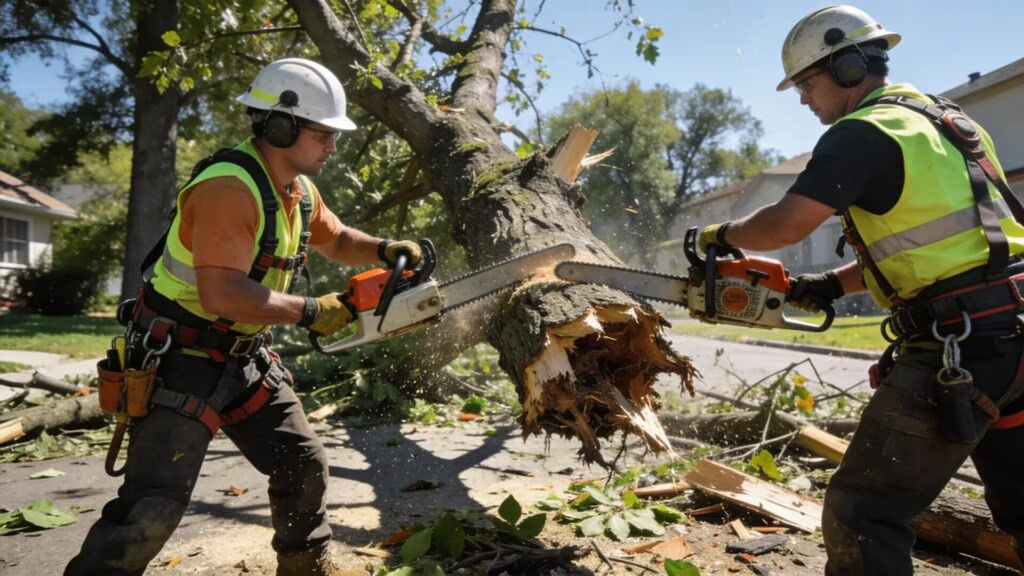
Storm damage to trees presents material risks to property and personal safety; therefore, prompt and methodical cleanup is required. Fallen or structurally compromised trees can obstruct roadways, damage buildings, and create hazards from falling limbs. This article analyzes essential aspects of post-storm tree mitigation in Waukesha County, including methods, safety protocols, and the role of professional **arborist** services. The content outlines immediate risks, emergency removal procedures, and best practices for responsible cleanup to protect property and local ecosystems, and it summarizes guidance on insurance claims and cost considerations.
The immediate risks associated with storm-damaged trees can be significant and include threats to life, property, and access. Leaning trunks may indicate imminent collapse, and fractured limbs can fail without warning. Rapid identification of trees that present a target to assets or the public is essential during post-storm operations. **Emergency tree removal** is a necessary mitigation measure to reduce imminent hazards and to prioritize interventions where they will reduce the greatest risk.
Professional arborists employ standardized assessment frameworks to evaluate hazard potential and to limit liability exposure for property owners.
Tree Risk Assessment: Ensuring Public Safety Post-Storm When a target is present, tree failure carries the potential to damage property, disrupt utility services, or compromise public safety. Globally, various qualitative methodologies have been developed to provide a systematic framework for tree risk assessment and management. Risk assessment and risk perception of trees: A review of literature relating to arboriculture and urban forestry, RW Klein, 2019
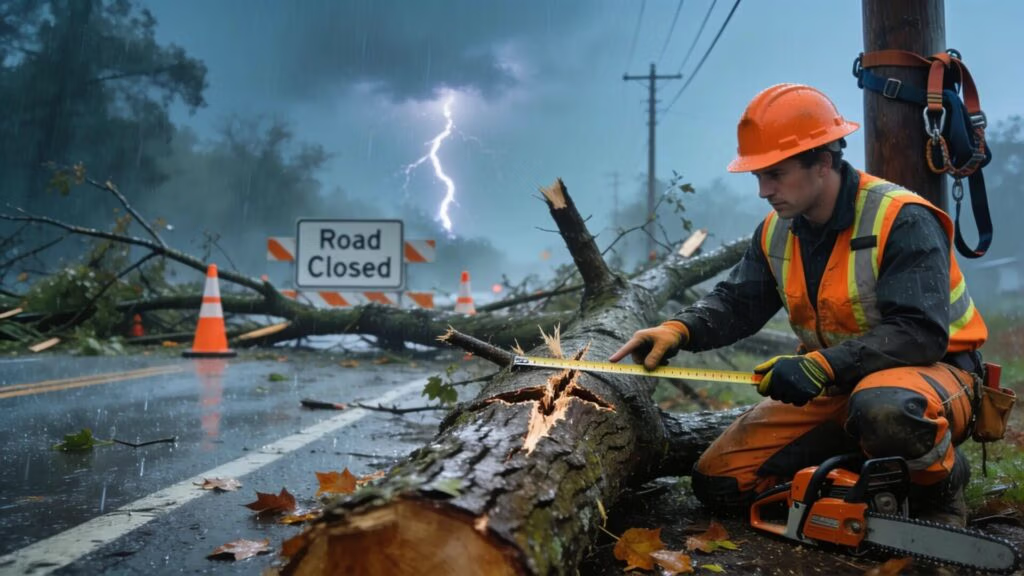
Adherence to formal safety protocols is critical to protect personnel and the public during storm tree operations. The principal measures include the following items presented in the list below.
Consistent implementation of these protocols reduces the incidence of accidents and occupational injuries during cleanup operations.
Emergency tree removal services operate with prioritization of immediate threats and typically provide rapid mobilisation. Trained crews conduct field assessments to select the safest removal strategy for each damaged specimen. Prompt response reduces the likelihood of secondary damage and restores access to affected areas. Operational protocols focus on removing the highest-risk trees first to protect people and infrastructure while subsequent cleanup proceeds in a controlled manner.
To manage emergency tree removal safely, certified arborists implement established procedures grounded in industry standards. Key practices include:
These procedures, supported by certification and field experience, demonstrate the necessity of engaging qualified arboricultural professionals for storm–damage remediation.
Professional storm damage cleanup comprises multiple coordinated components designed to ensure safety and operational efficiency. The principal elements are outlined in the following list.
Familiarity with these components enables property owners to make informed procurement decisions when selecting professional services after a storm.
Effective debris removal depends on the selection of appropriate tools and the application of controlled techniques by certified crews. Commonly deployed equipment includes the items listed below.
Debris removal techniques integrate safety protocols and rigging methods to manage work at height and to lower material systematically, thereby maintaining worker safety and operational control.
Consideration of meteorological factors assists professionals in anticipating the types and distribution of damage encountered in urban environments.
Storm Damage Management: Prioritizing Post-Storm Arboricultural Care Storm events can damage even structurally sound trees; however, most storm events are of lesser intensity. Risk and storm management operations in the United States–how does your City compare, AK Koeser, 2016
The insurance claims process for storm-related tree removal can be complex. Typical procedural steps include the following items listed below.
Coordinating with insurers and providing professional documentation improves the likelihood of an efficient and successful claim adjudication.
Dunbar Tree Service supports clients through the claims process by providing professional assessments and practical assistance. The company s services in this area include the elements listed below.
Such support assists property owners in seeking cost recovery for storm-related cleanup activities.
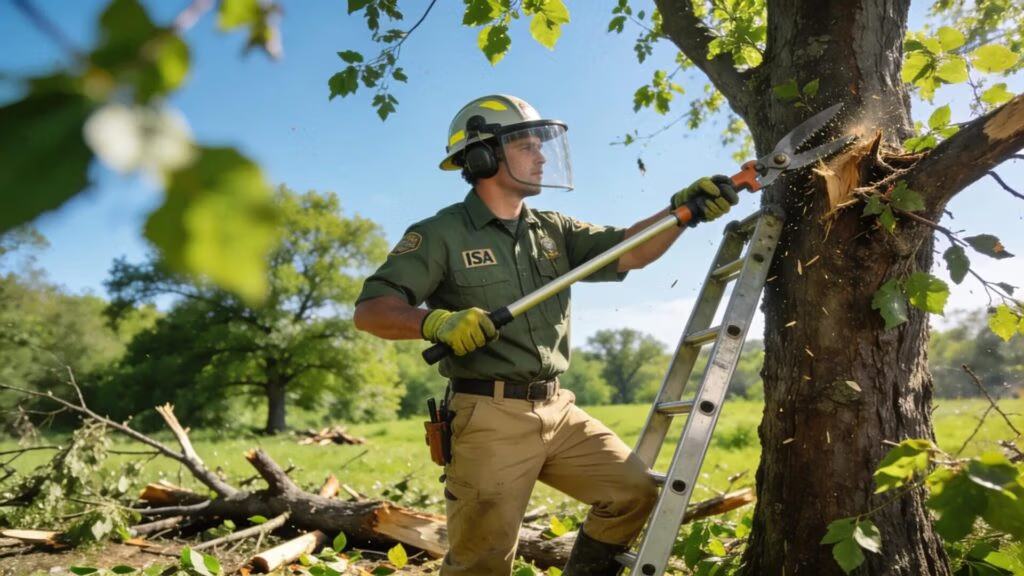
Post-storm pruning and restoration are typically performed in the weeks following the event to address damage while permitting initial recovery. Appropriate timing and technique depend on species, extent of damage, and prevailing seasonal considerations.
Application of appropriate restoration practices facilitates recovery and improves tree resilience against future storm events.
ISA Certified Arborists apply a range of remedial techniques when repairing storm-damaged trees. The most common methods are listed below.
These technical interventions underscore the requirement for specialised arboricultural expertise when restoring trees after storm damage.
Accurate expectations regarding storm–damage cleanup costs are important for budgeting. The principal cost drivers include the items listed below.
Clear cost estimates enable property owners and businesses to allocate funds appropriately for post-storm tree care.
| Service Type | Estimated Cost | Description |
|---|---|---|
| Emergency Tree Removal | $300 – $1,500 | Rapid response for hazardous trees |
| Storm Debris Cleanup | $200 – $1,000 | Removal and disposal of tree debris |
| Ongoing Tree Maintenance | $100 – $500 | Regular pruning and health assessments |
The comparison above provides a practical overview of potential expenses to inform decision-making by property owners. For additional information on **tree** pruning and maintenance, contact the Dunbar Tree Service team to discuss specific requirements.
Customers seeking transparent cost estimates should consult multiple sources to validate pricing. Recommended options include the following listed below.
Obtaining multiple estimates ensures transparency and supports fair pricing. To request a custom quote or for further enquiries, please contact us to arrange a property assessment.
Prioritize safety by avoiding downed power lines and unstable trees. Document visible damage with photographs and written notes for insurance purposes. If trees exhibit severe structural compromise or are leaning toward occupied areas, engage a professional arborist promptly for risk assessment and potential emergency removal. Certified crews possess the training and equipment required for hazardous conditions.
Assessment for salvageability focuses on vitality and structural integrity: presence of green foliage or buds, intact bark, and sound trunk wood. If root systems remain intact and canopy loss is under 50%, the tree may recover. A certified arborist can provide a definitive evaluation and recommend restoration procedures.
Professional arborists restore tree health and safety by identifying structural defects and applying corrective measures such as bracing or cabling. Targeted pruning promotes appropriate growth and reduces future storm vulnerability. Ongoing maintenance programmes recommended by professionals enhance landscape quality and ecological function.
Pruning is typically performed within a few weeks after the storm to remove damaged material while minimizing additional stress. The optimal timing depends on species, extent of injury, and prevailing conditions; therefore, consult a certified arborist to determine the appropriate schedule and methods.
Insurance policies may cover removal and repair costs resulting from storm damage. Review policy terms to establish coverage limits and documentation requirements. Professional assessments and reports strengthen claim substantiation and facilitate reimbursement.
Local government offices provide guidance on cleanup protocols and emergency services; community organizations may coordinate volunteer efforts. Local arborist firms, including Dunbar Tree Service, can assist with recovery operations and insurance navigation. Engagement with community networks and neighbourhood groups can facilitate resource sharing and mutual aid.
Removal of storm-damaged trees protects property and contributes to public safety during recovery operations. Engagement of professional, certified arborists ensures that cleanup is executed efficiently and in accordance with established safety protocols, thereby minimizing risk to persons and infrastructure. Understanding cost structures and managing insurance claims supports an orderly recovery process. For comprehensive tree care services and further consultation, contact Dunbar Tree Service.